Blog
Insights on Waste Treatment Technology
Expert articles on zero-emission waste processing, subcritical water hydrolysis, and sustainable solutions for industrial, medical, and agricultural waste.
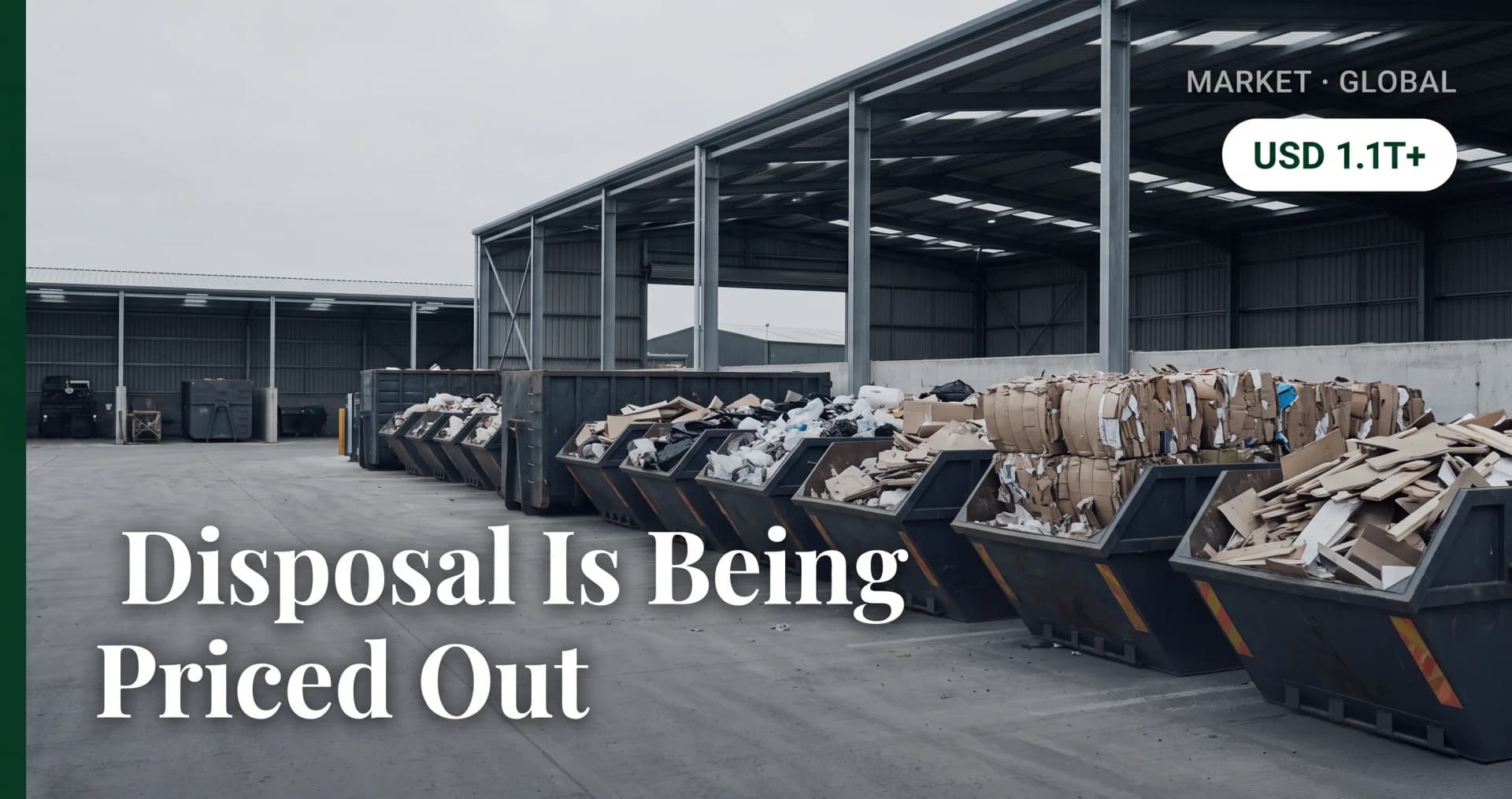
Industrial Waste Treatment Market 2026: Size & Trends
Industrial waste treatment market 2026: USD 171bn to USD 1.1 trillion+ by scope — the range, the regulations driving recovery, and where on-site treatment fits.
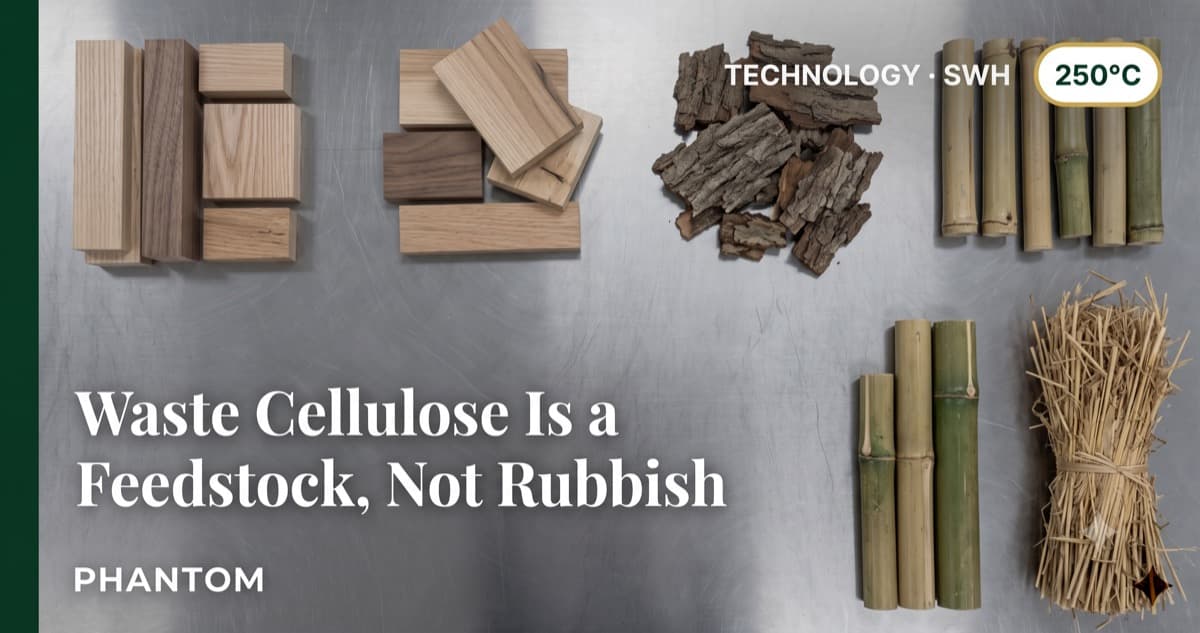
Which Cellulosic Waste Becomes a Bioethanol Feedstock?
Untreated timber, bark, bamboo, straw and bagasse become a glucose-rich bioethanol feedstock via subcritical water saccharification. Treated streams do not.
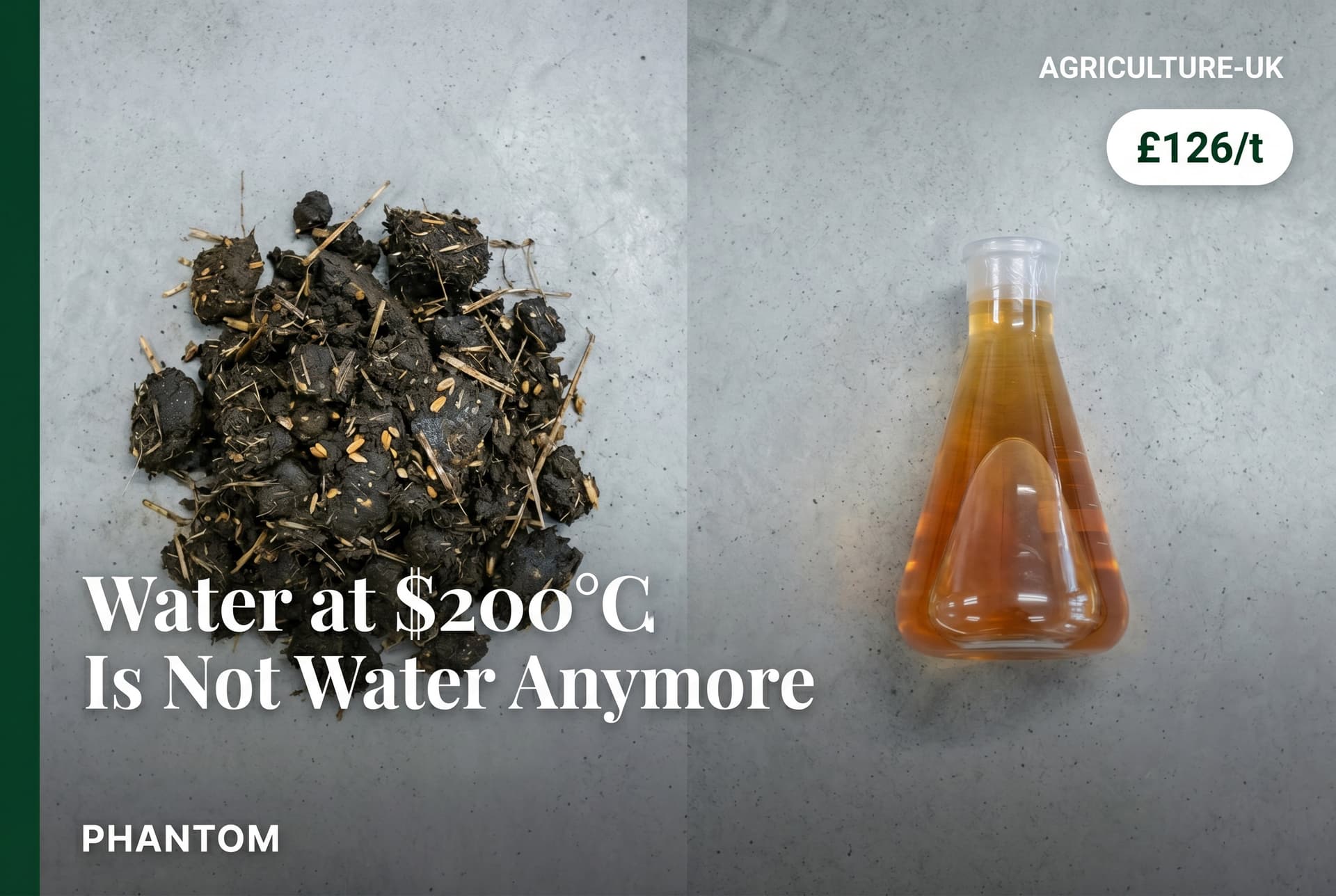
Subcritical Water Hydrolysis Fertilizer: Nutrients & Trials
SWH extracts 82.6% NPK from organic waste per cycle. Crop trials confirm yield gains vs controls. DEFRA UK FPR 2026 regulatory update and cost comparison.
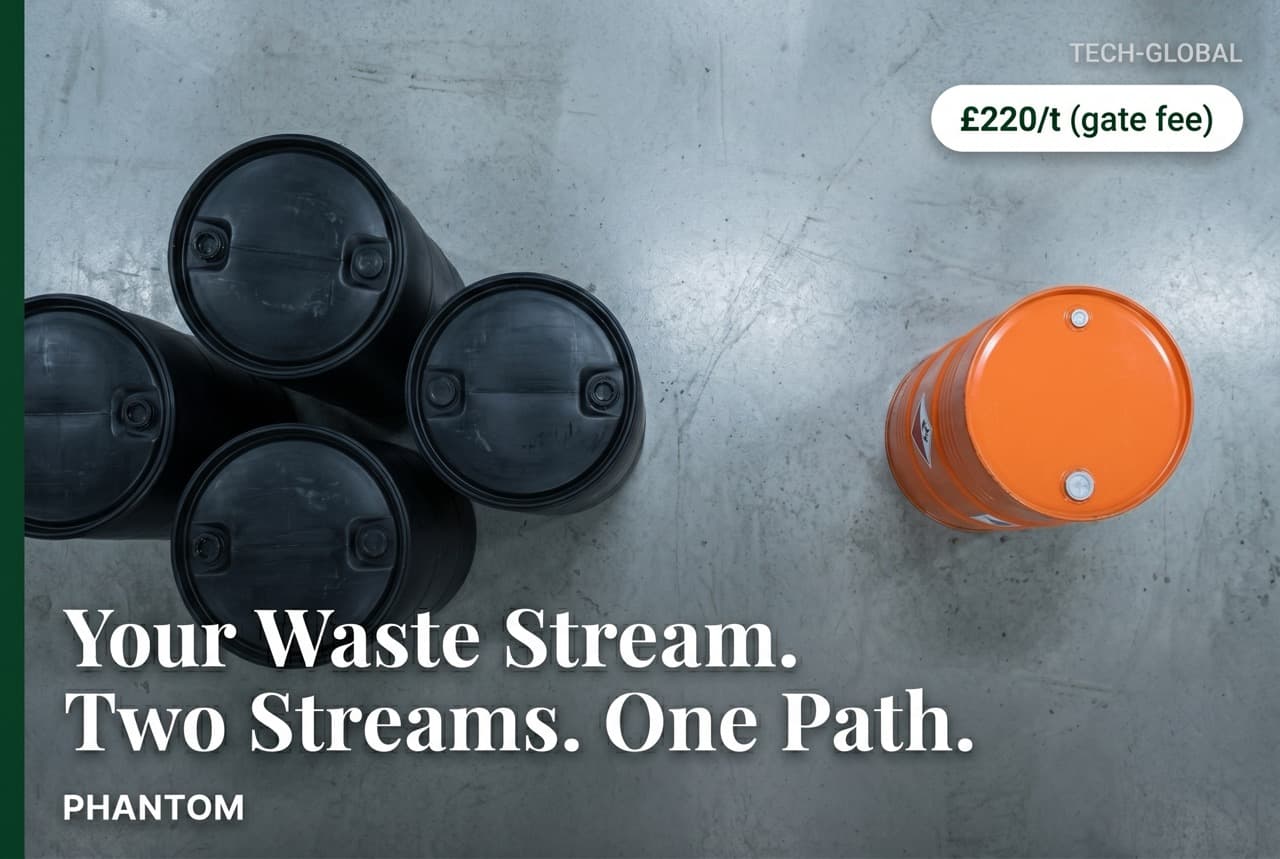
PCB & Hazardous Industrial Waste: SWH Compatibility Guide
PCBs cannot be treated on-site — most industrial organic hazardous waste can. SWH compatibility map by stream, with UK incineration costs through 2028.
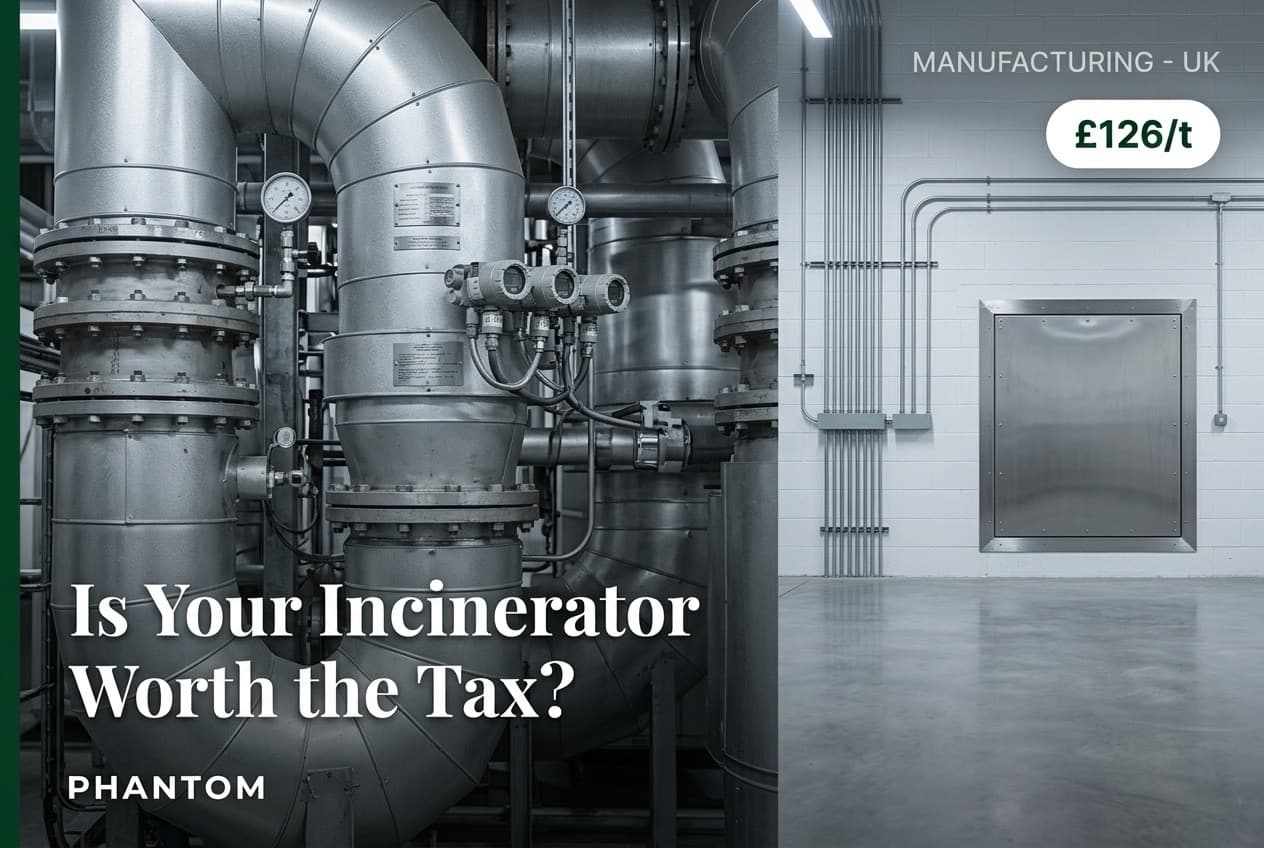
UK ETS Carbon Costs for Waste Incineration: 2026–2028
UK waste incinerators enter the ETS in 2028, adding £55–£65/tonne to current £115–£120 gate fees. Timeline, scope, MRV obligations, and cost modelling guide.
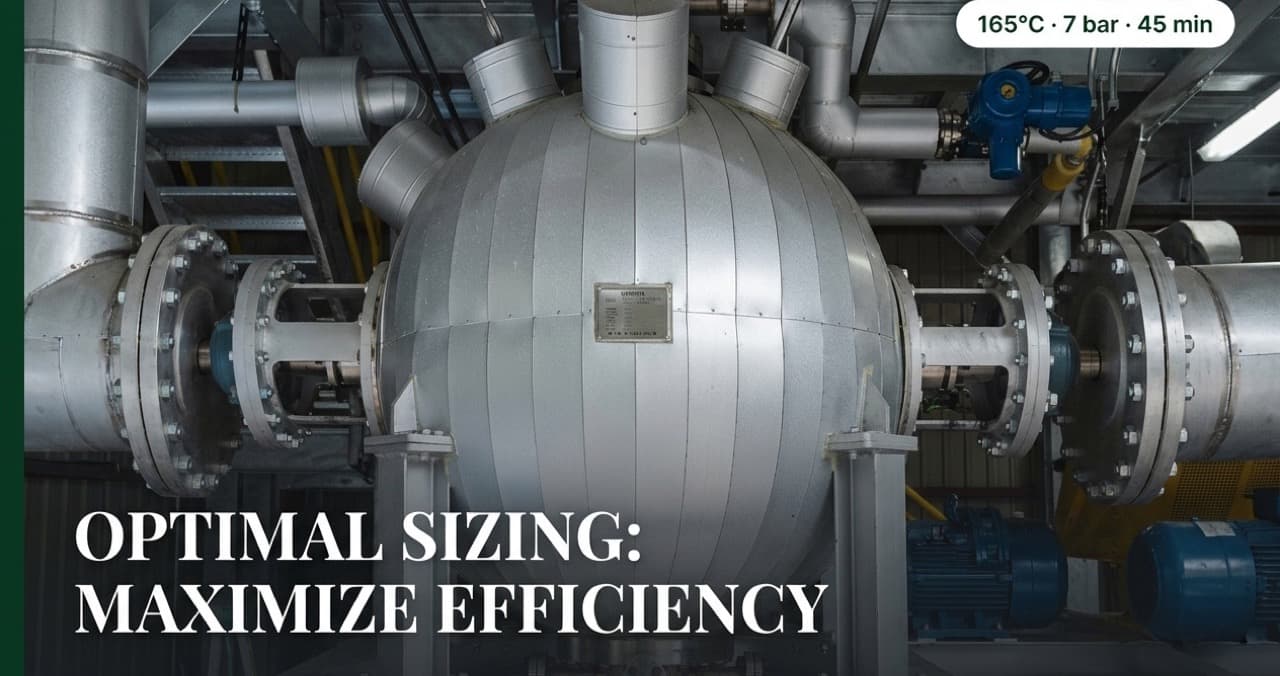
PHANTOM Machine Specifications & Sizing Guide
PHANTOM machine specs: 200–250°C, 20–27 bar, ~30-min cycle, four capacity tiers (500 kg–3,000 kg/batch), plus a sizing formula to choose the right one.
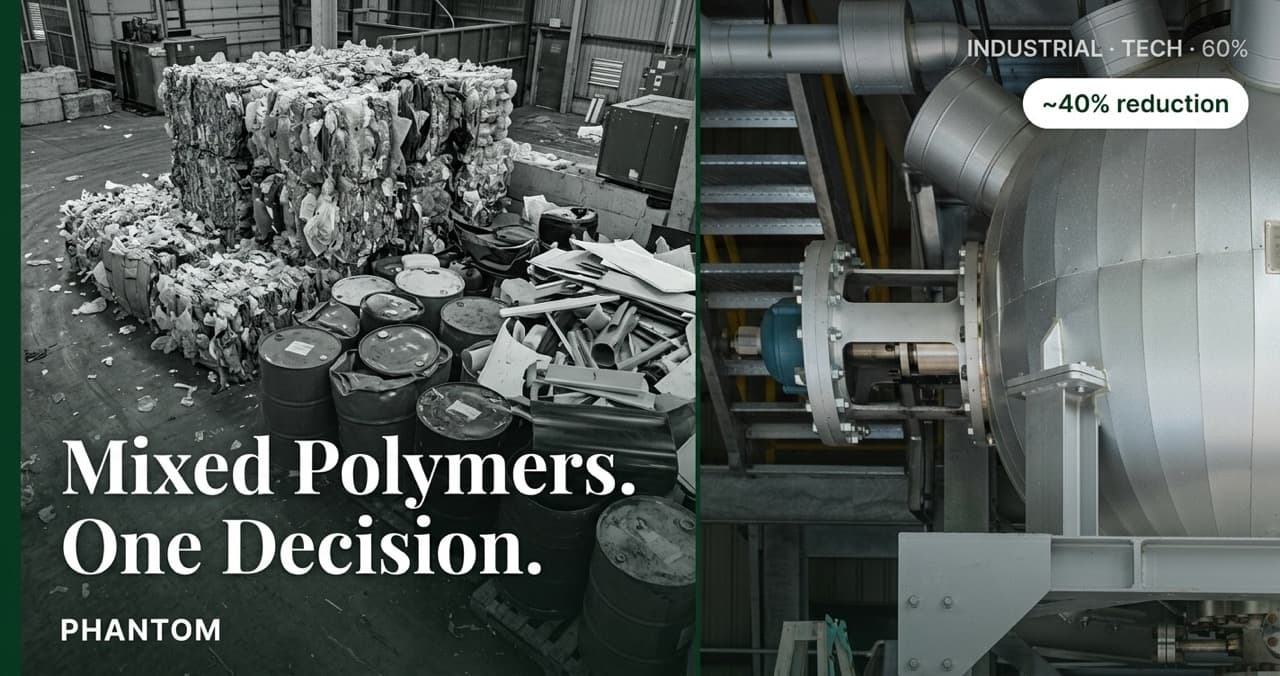
Industrial Plastics Subcritical Hydrolysis: Spec Guide
Track A clean organics vs Track B mixed polymer streams, PCB vessel requirements, polymer compatibility, and PHANTOM specification for industrial plastic waste.

Scope 3 Category 5: CBAM & CSRD Compliance
Why UK manufacturers fail CBAM verified data checks — and what activity-based Scope 3 Category 5 measurement actually requires to pass CSRD and SBTi audits.
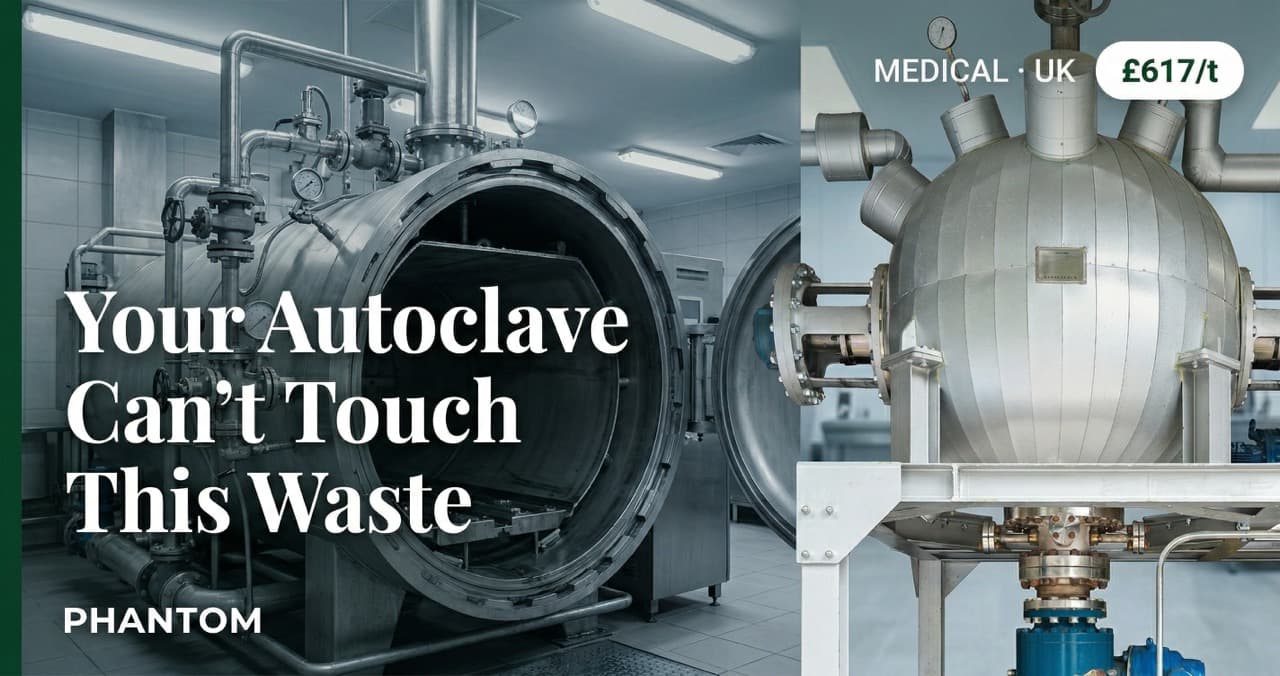
Subcritical Water Hydrolysis vs Autoclaving
SWH operates at 250°C / 20–27 bar vs autoclave's 134°C / 3 bar — decomposing waste rather than sterilising it. Full cost, residue, and UK ETS comparison.
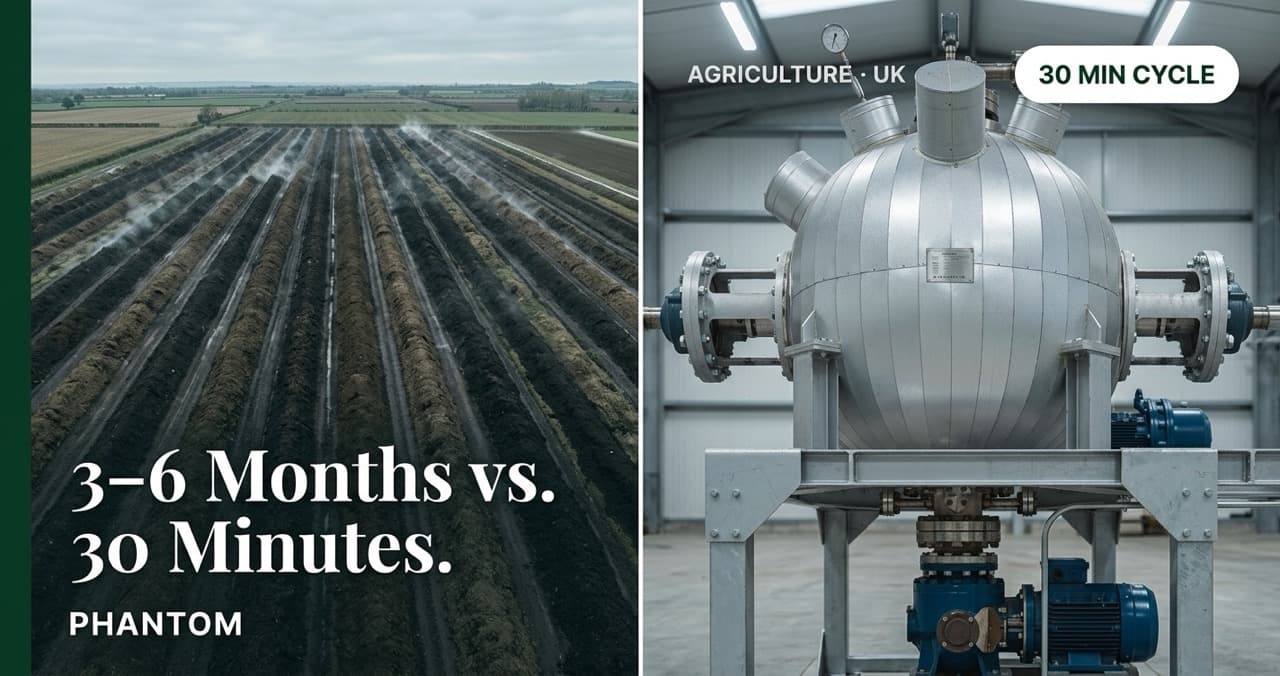
Composting vs Hydrolysis: The Engineering Verdict
Composting takes 3–6 months and emits methane. Subcritical water hydrolysis takes 30 minutes with sterile, consistent output. The engineering comparison.
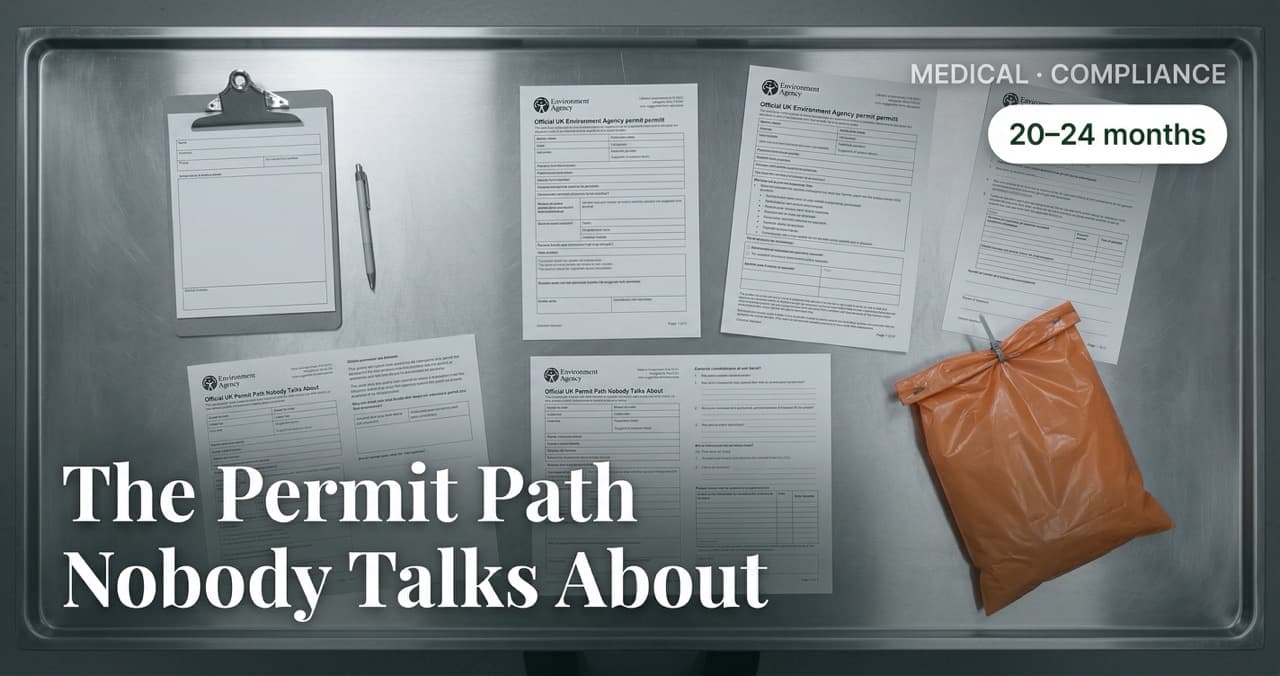
IStAATT UK Permit: Timeline & Costs
UK clinical waste IStAATT validation: 12–24 months, £20,000–£50,000+. Stage-by-stage EA permit guide and the common failure points that stall applications.

IStAATT Level III UK: Why Most Applications Fail
IStAATT Level III UK: 10–20 months, £38,000–£95,000. EA pre-acceptance requirement, private lab testing, bespoke permit — and why most applications fail.

UK Waste Generator Duty of Care: Full Guide
UK waste generator duty of care: EPA 1990 obligations, EPR requirements, consignment notes, unlimited fines, and how on-site treatment reduces liability.
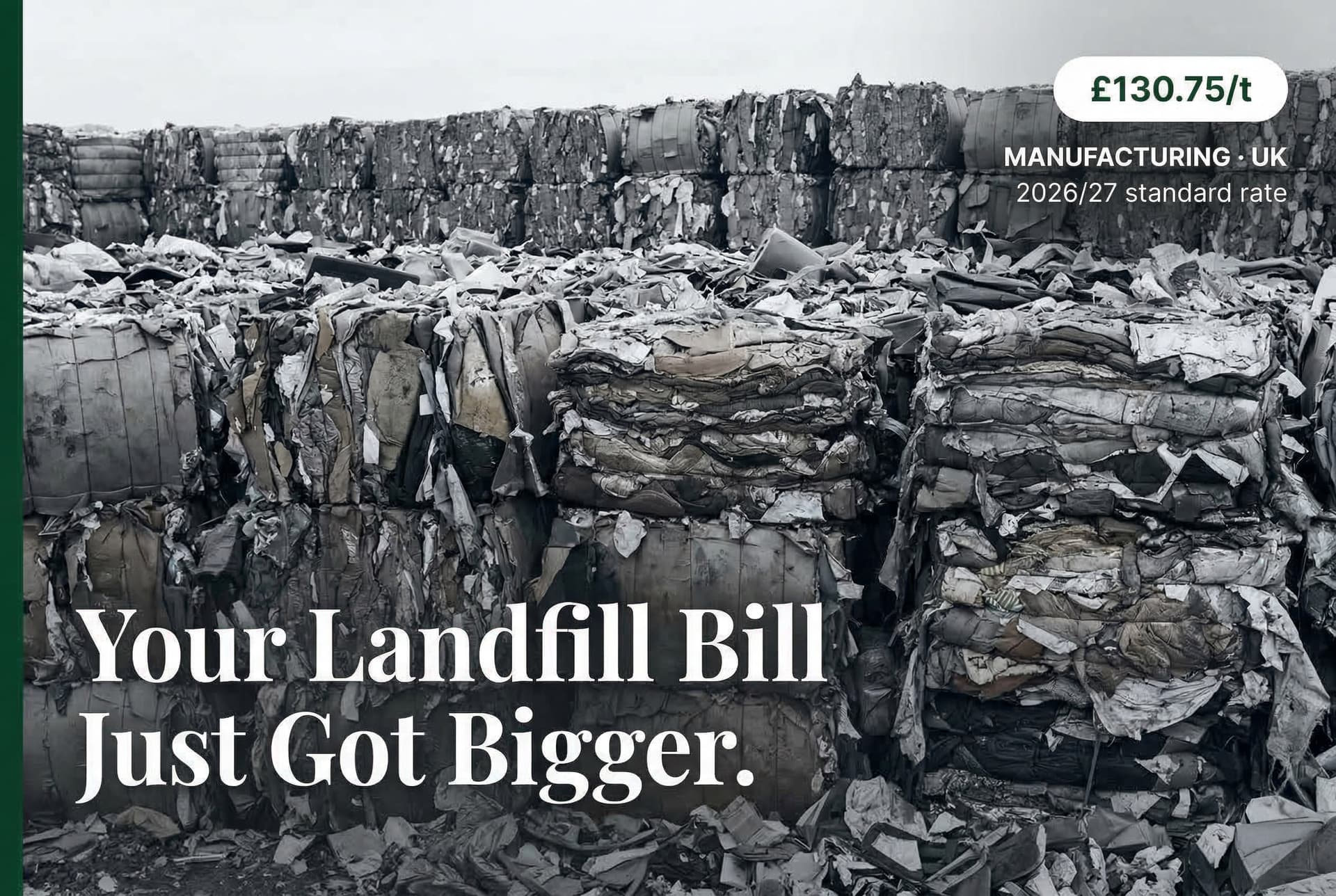
What Is the UK Landfill Tax and Who Pays It?
UK landfill tax hit £130.75/t in 2026/27 — a 21.6% jump in one year. Who pays, who is exempt, rate history, and how on-site treatment eliminates the liability.
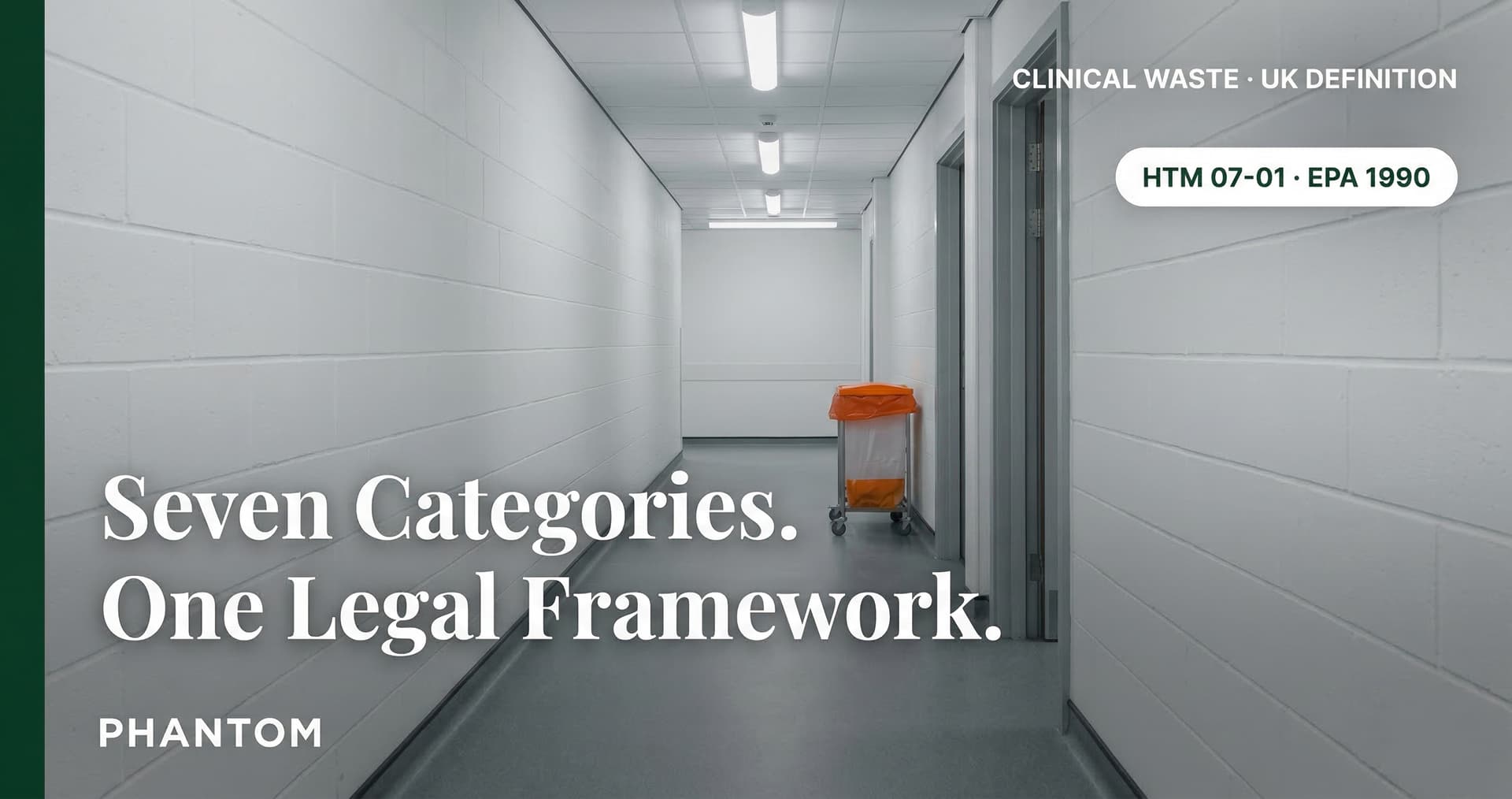
What Is Clinical Waste? UK Definition & Types
The UK legal definition of clinical waste under EPA 1990 and HTM 07-01: seven categories, EWC codes, and disposal routes for NHS and private healthcare.
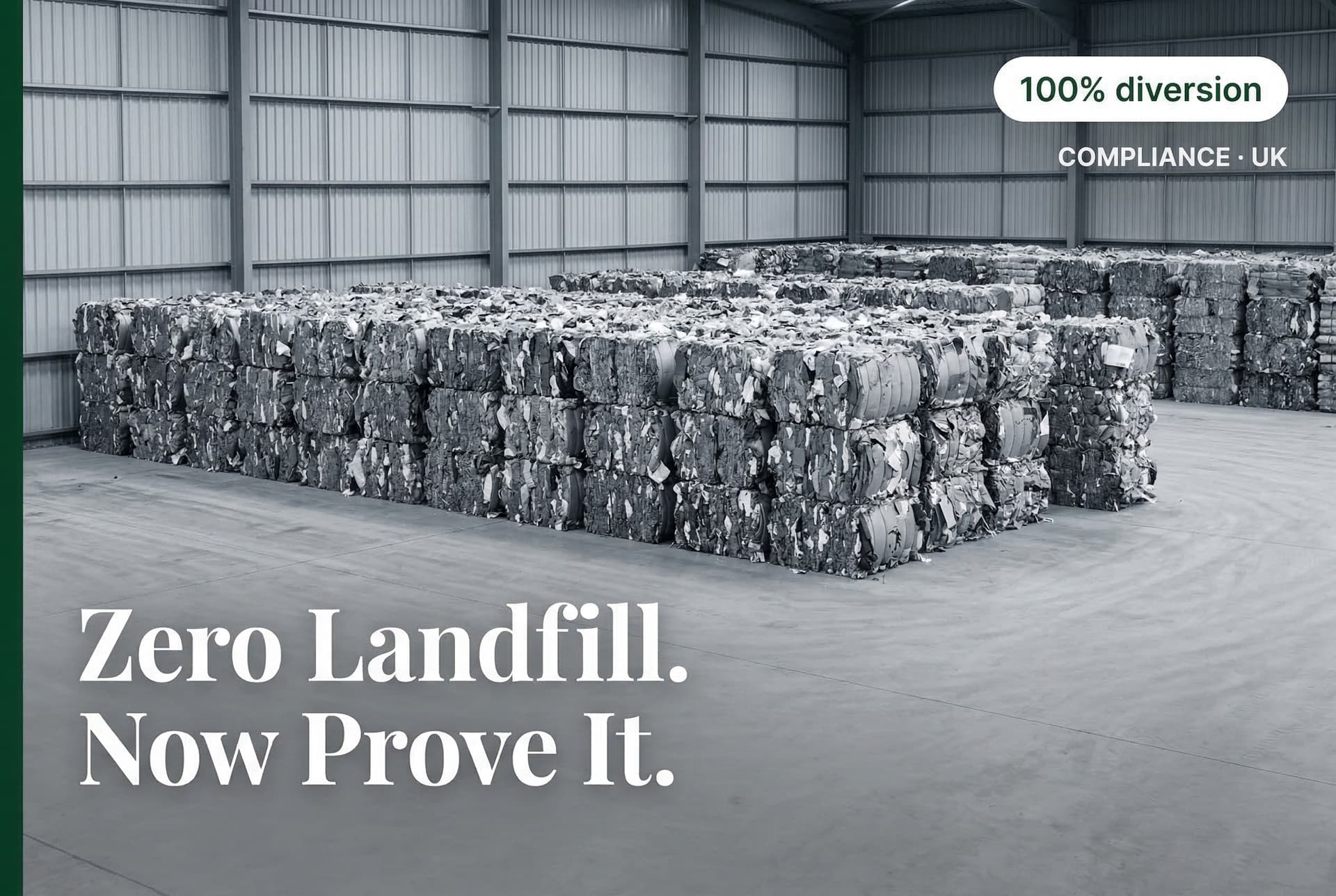
Zero Waste to Landfill UK: Certification Guide
Zero Waste to Landfill: UK certification bodies, how to achieve it, CSRD obligations, and which on-site technologies qualify.
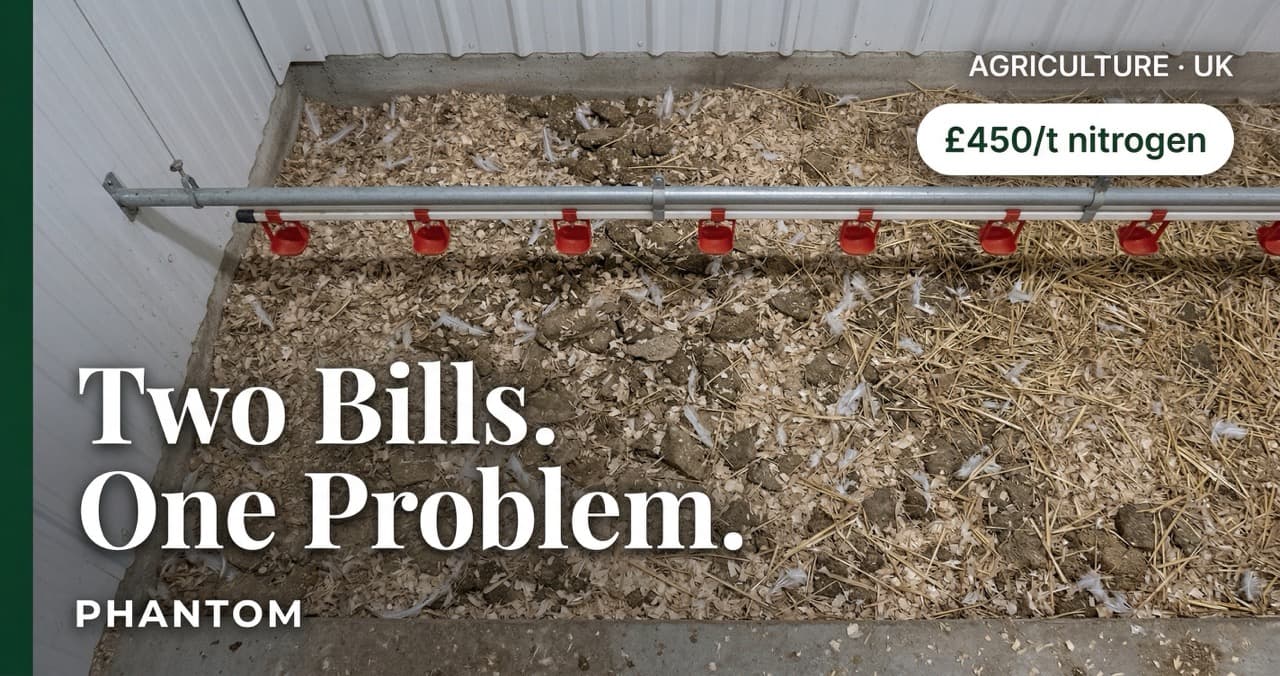
UK Poultry Litter Disposal: NVZ Cost Guide 2026
UK poultry farms in NVZ areas pay £55–£85/tonne all-in — haulage, nitrogen replacement, and AD gate fees. NVZ compliance risk and on-site SWH payback guide.
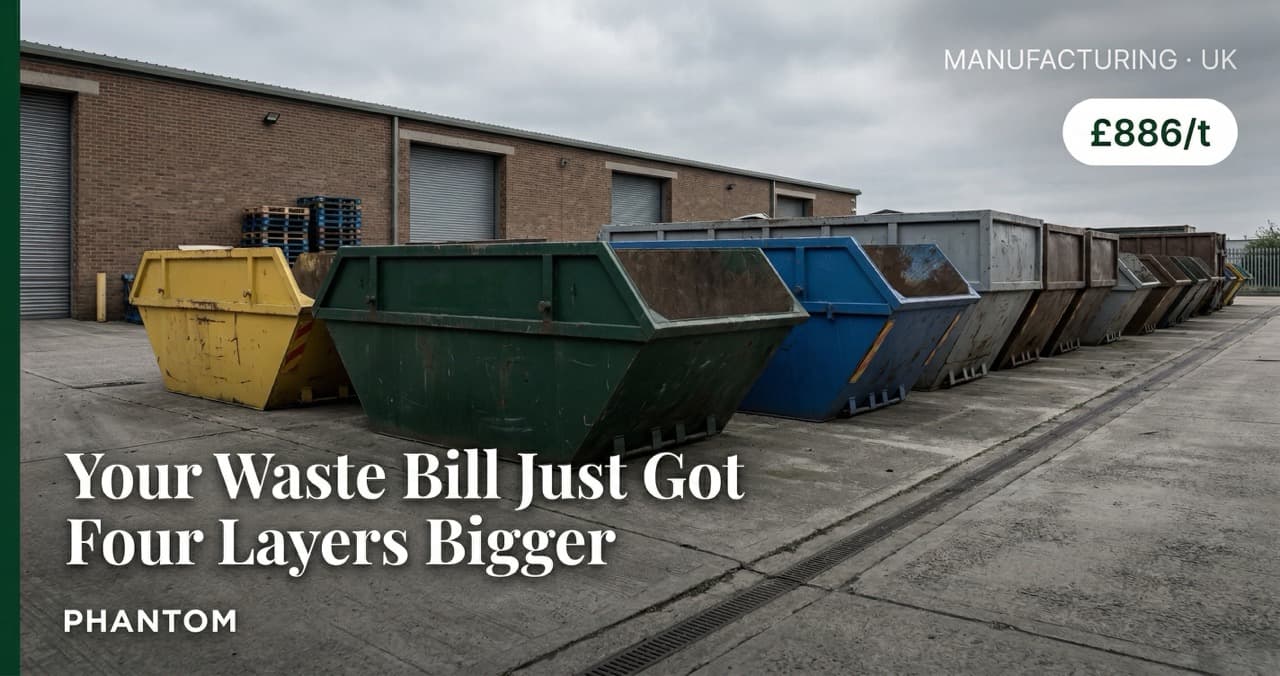
UK CBAM 2026: Certificate Prices, Deadlines & Compliance Costs
UK CBAM takes full effect 1 January 2027; first return due 31 May 2028. Certificate prices, Scope 3 exposure, and cutting waste-related CBAM liability on-site.
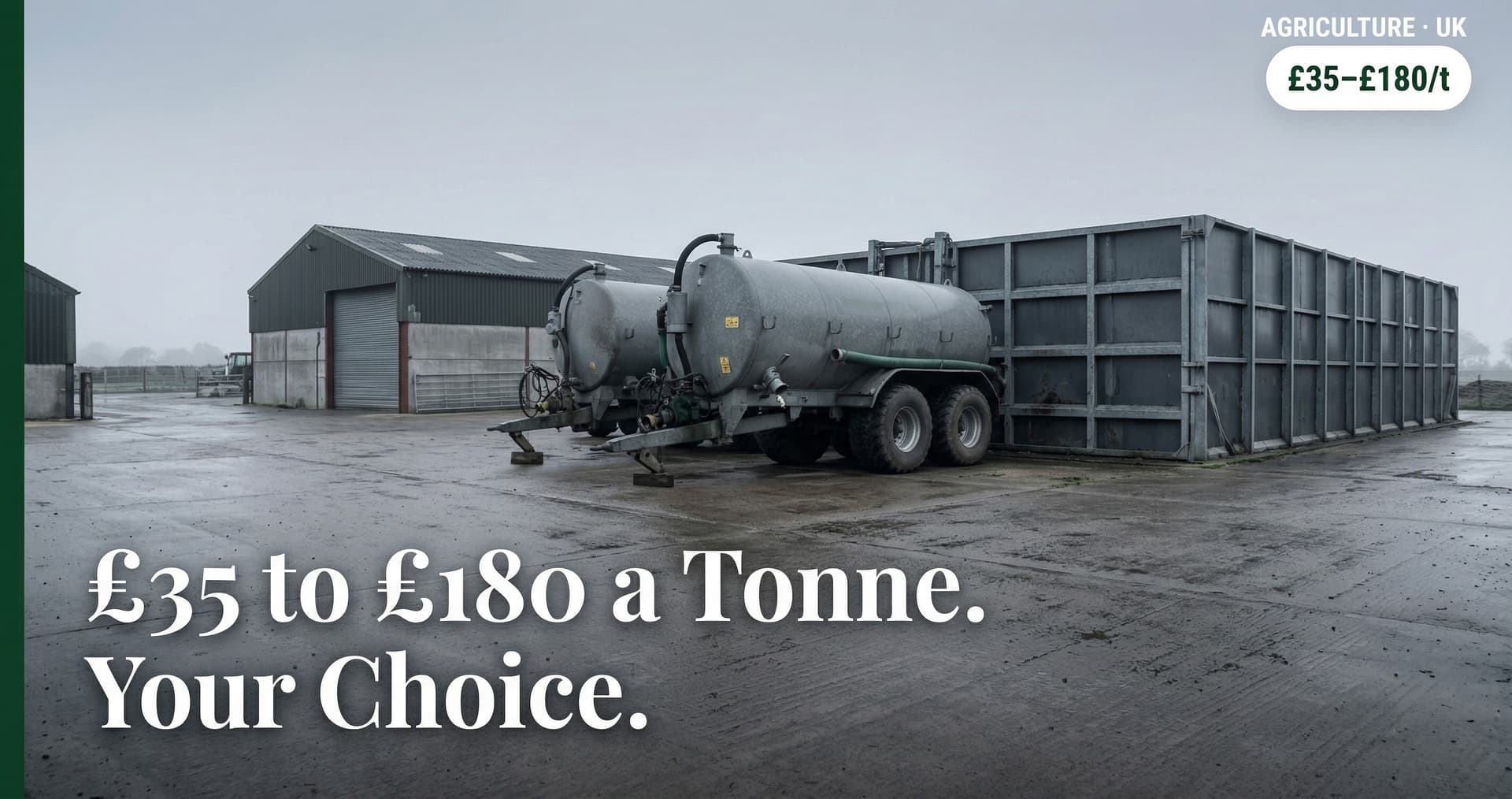
UK Farm Waste Disposal Costs 2026: Slurry, Manure & ETS Guide
UK farms pay £35–£180/tonne to haul organic waste and repurchase the same nutrients as fertiliser. NVZ compliance costs, Scope 3 risk, and ROI explained.
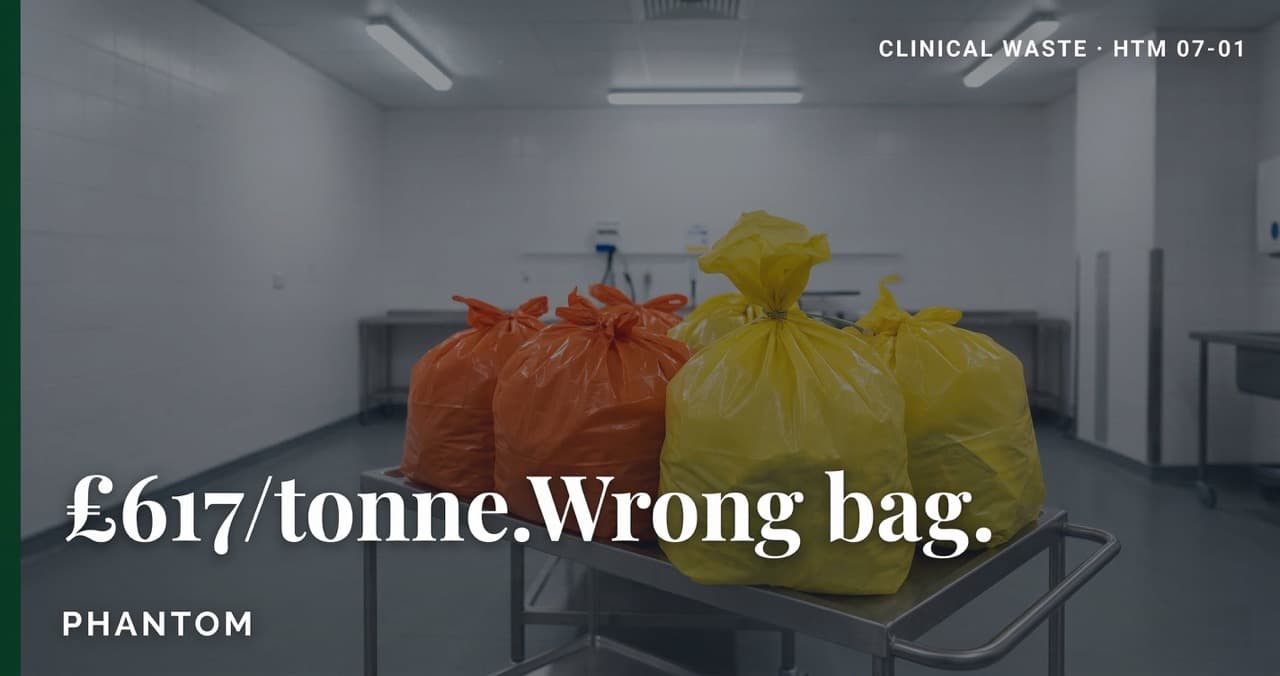
HTM 07-01 Clinical Waste Bag Colours, EWC Codes & Costs
HTM 07-01 clinical waste guide: bag colours, EWC codes, misclassification calculator, and on-site treatment reducing UK disposal cost from £617 to £11/tonne.
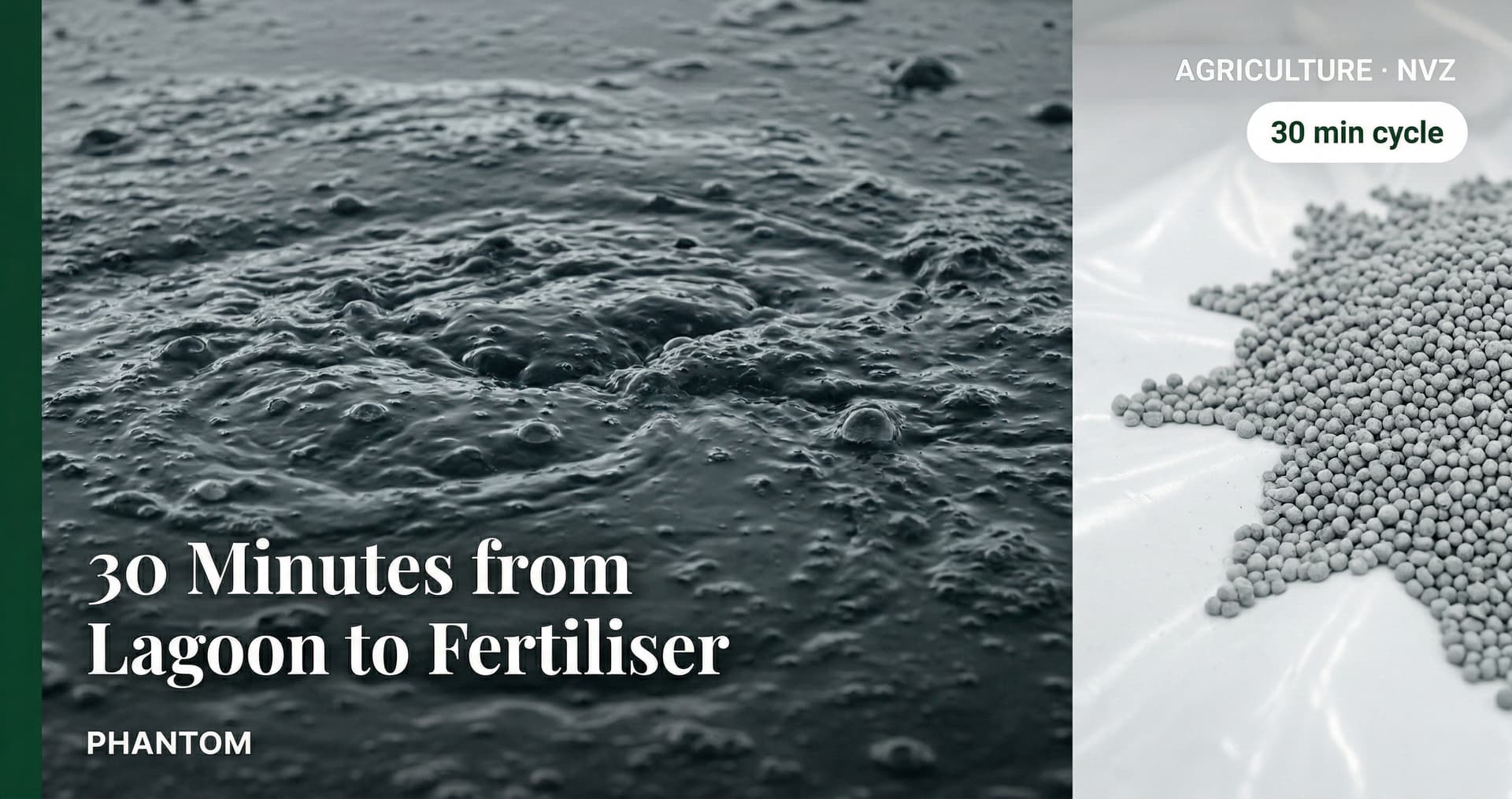
UK Farm Slurry Costs: Subcritical Hydrolysis NVZ Guide
UK livestock farms pay £35–£180/tonne to haul slurry and repurchase lost nitrogen as synthetic fertiliser. How on-site subcritical hydrolysis closes that loop.
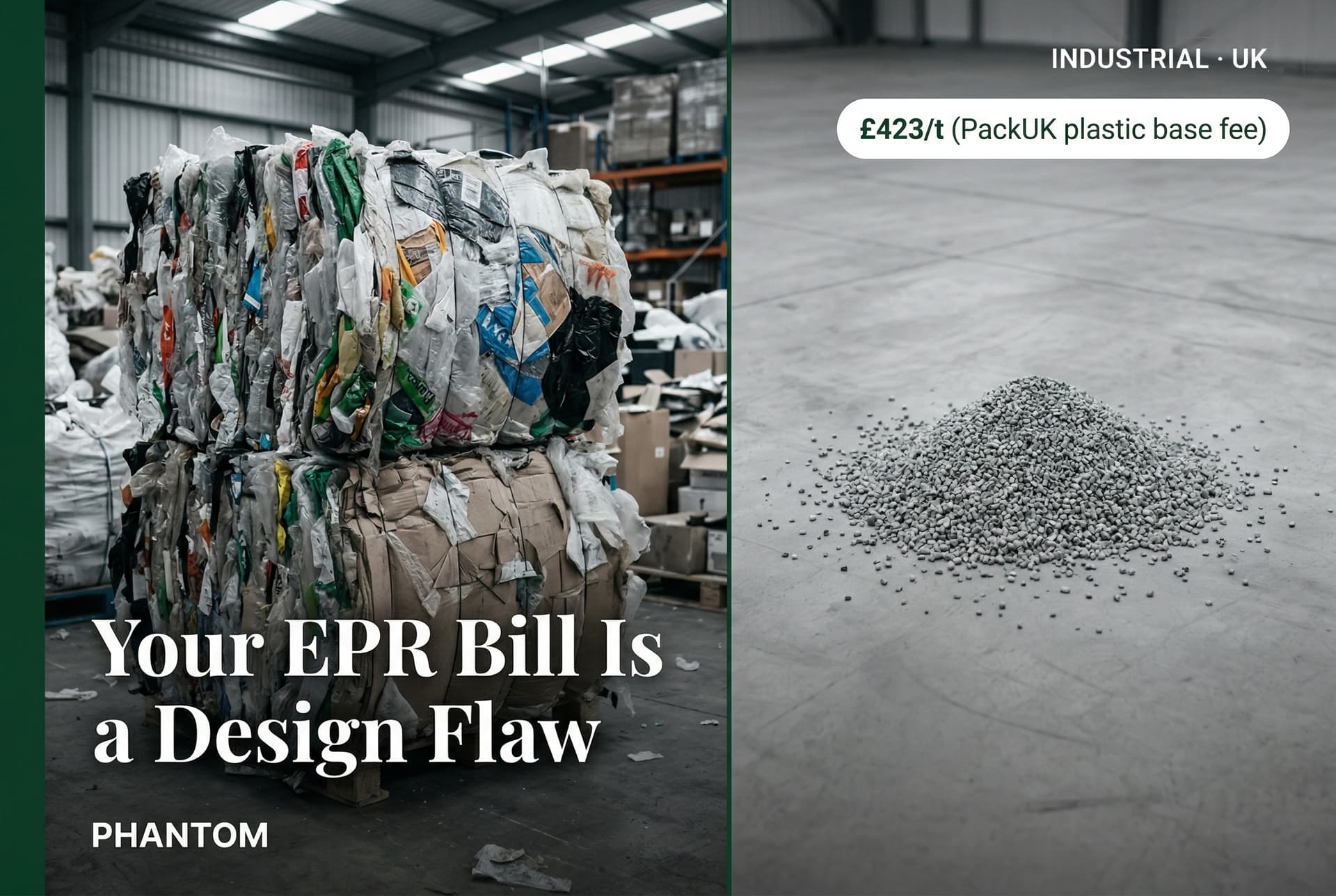
UK EPR 2025: Mixed Plastic Waste Compliance Costs Explained
Mixed plastic waste costs UK manufacturers over £1,000/tonne in EPR fees, PRN costs, and Plastic Packaging Tax in 2025. Mechanical recycling won't solve it.
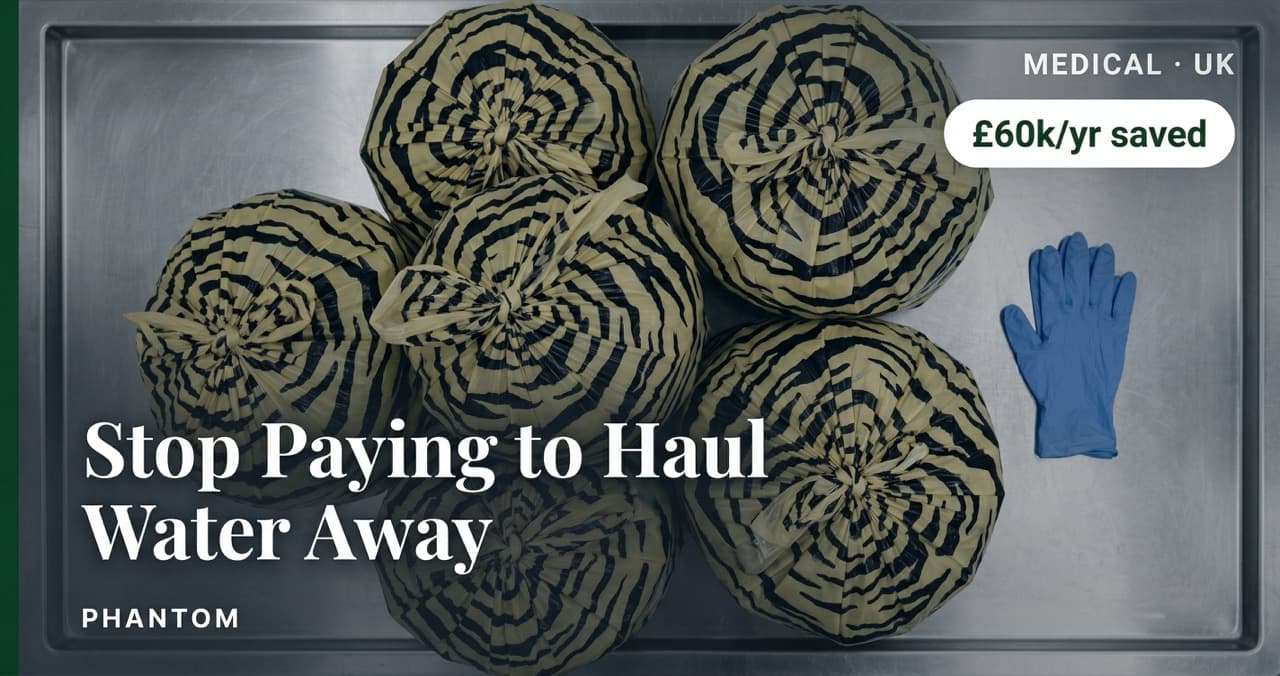
Nursing Home Diaper Disposal: Stop Overpaying to Haul Water
A 100-bed nursing home pays clinical rates to haul waste that is 80% water. On-site hydrolysis cuts volume 60% and saves £18,000 (~$22,860) per year.
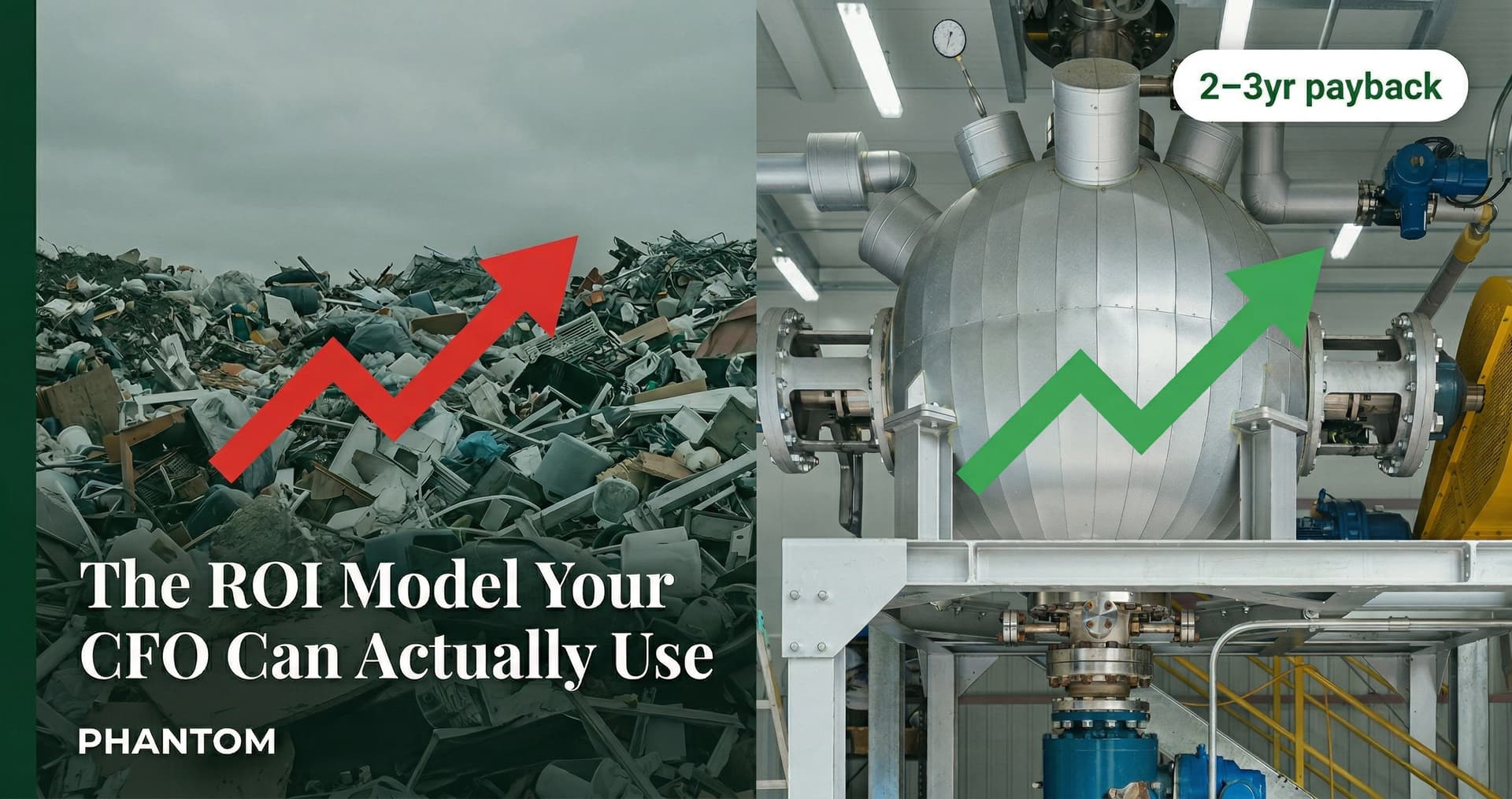
Industrial Waste ROI Calculator: 7-Variable Payback Model
Most ROI models miss four return variables. A UK food facility nets £824,863/year with a 1.8-year payback — not the 7 years disposal-only models show.
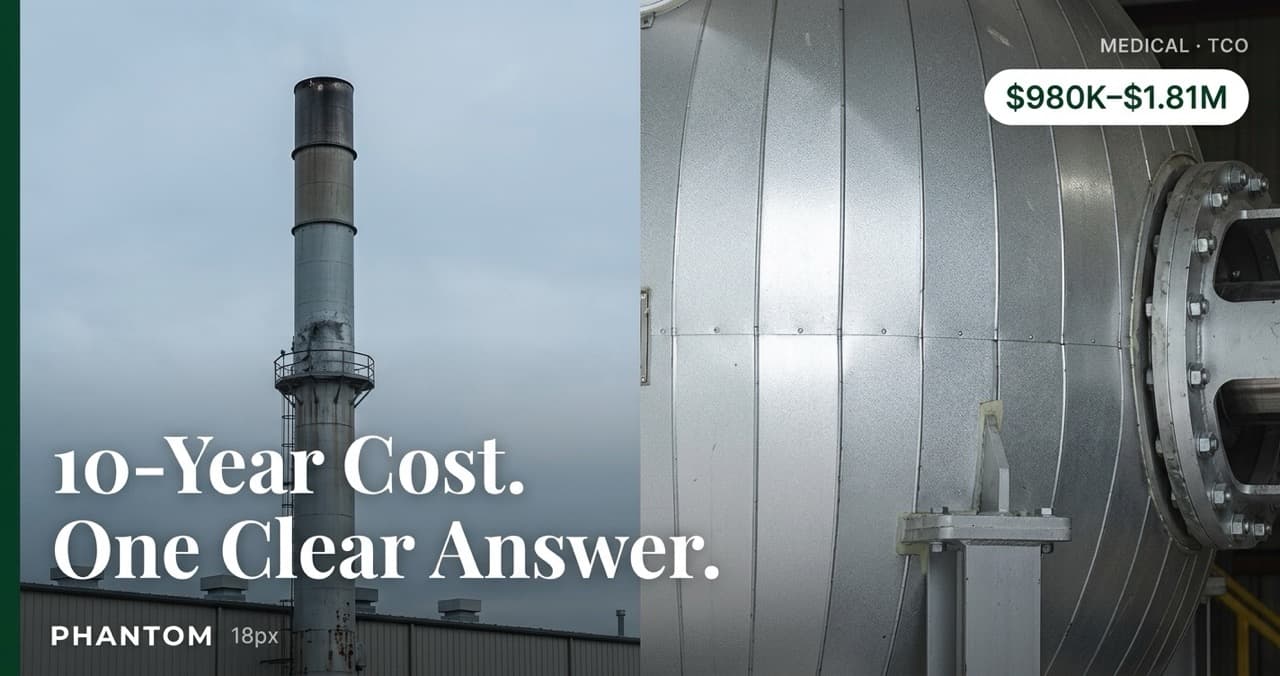
Medical Waste TCO: Autoclave vs. Incineration vs. Hydrolysis
10-year TCO for medical waste treatment: autoclave vs. incineration vs. Phantom hydrolysis — with EU ETS carbon costs, compliance, and GCC market analysis.
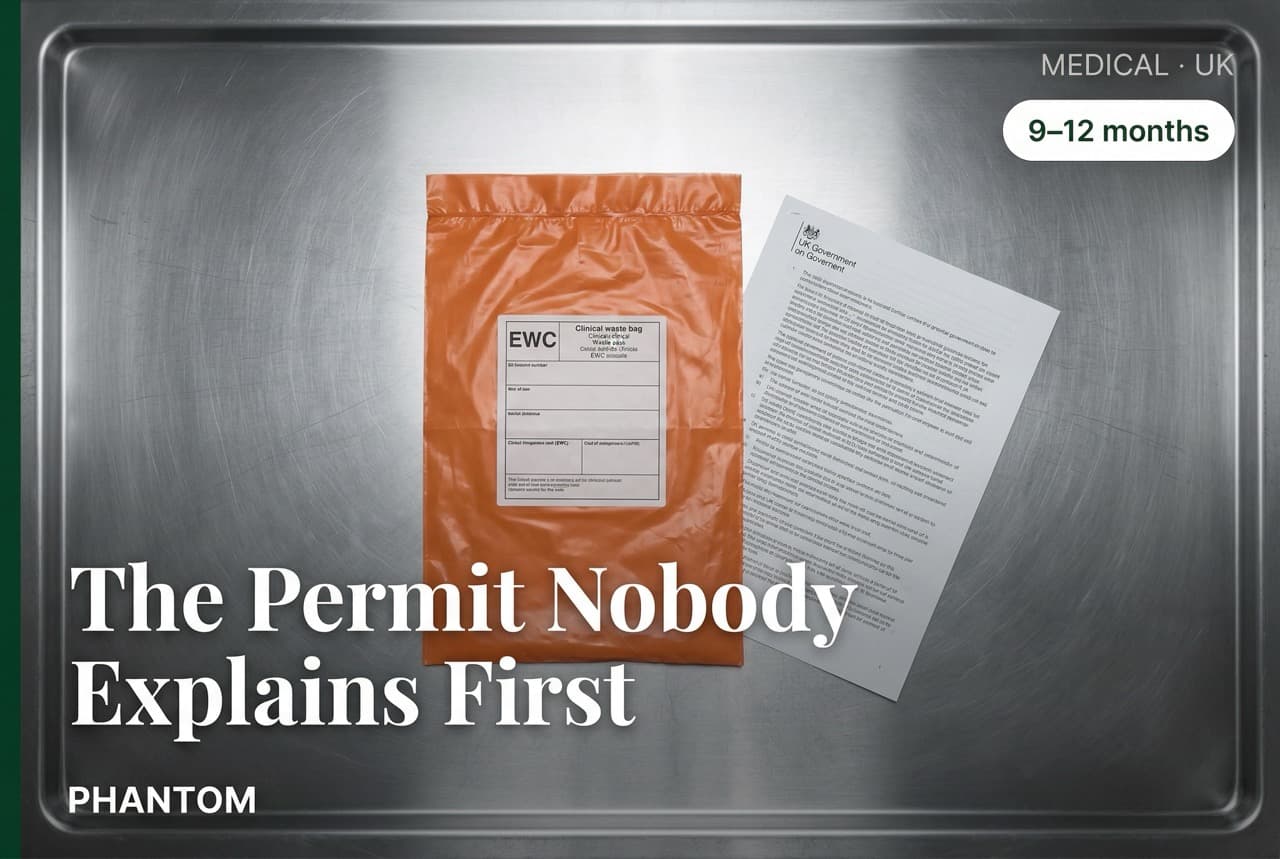
UK On-Site Medical Waste Treatment: Permits and Validation
Environmental permits, IStAATT Level III validation, and Digital Waste Tracking for UK on-site medical waste treatment — covering EA, SEPA, and HTM 07-01.
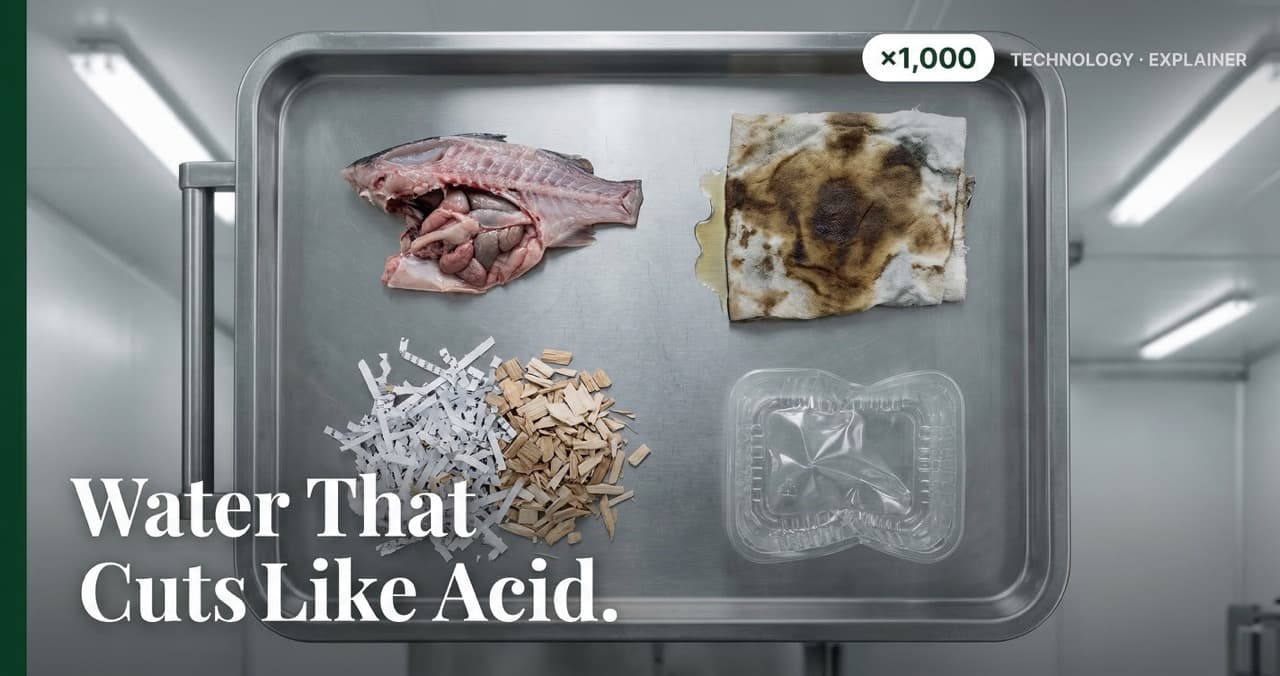
What Is Subcritical Water Hydrolysis? The Non-Incineration Alternative Explained
Subcritical water hydrolysis breaks down organic and plastic waste with pressurised water — no combustion, no dioxins. See how it compares to incineration.
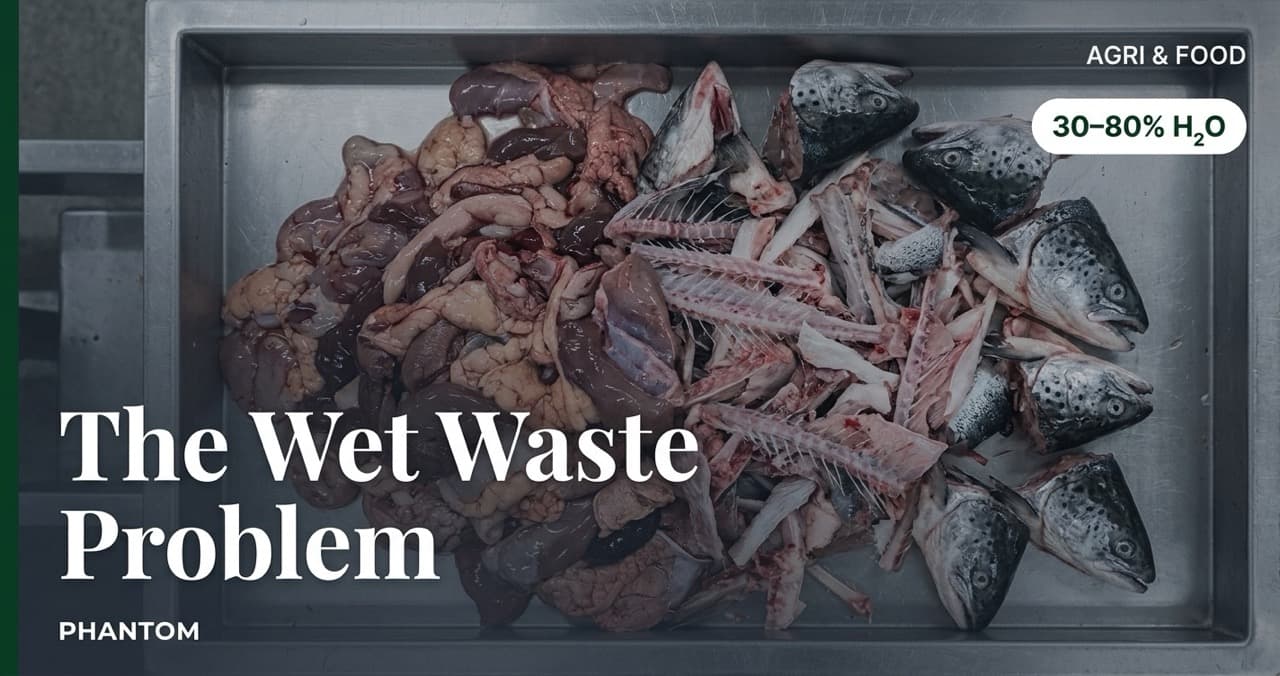
Fishery & Slaughterhouse Wet Waste Treatment
Subcritical water hydrolysis vs. incineration for fishery and slaughterhouse wet waste — protein hydrolysate, amino acid fertiliser, zero emissions.
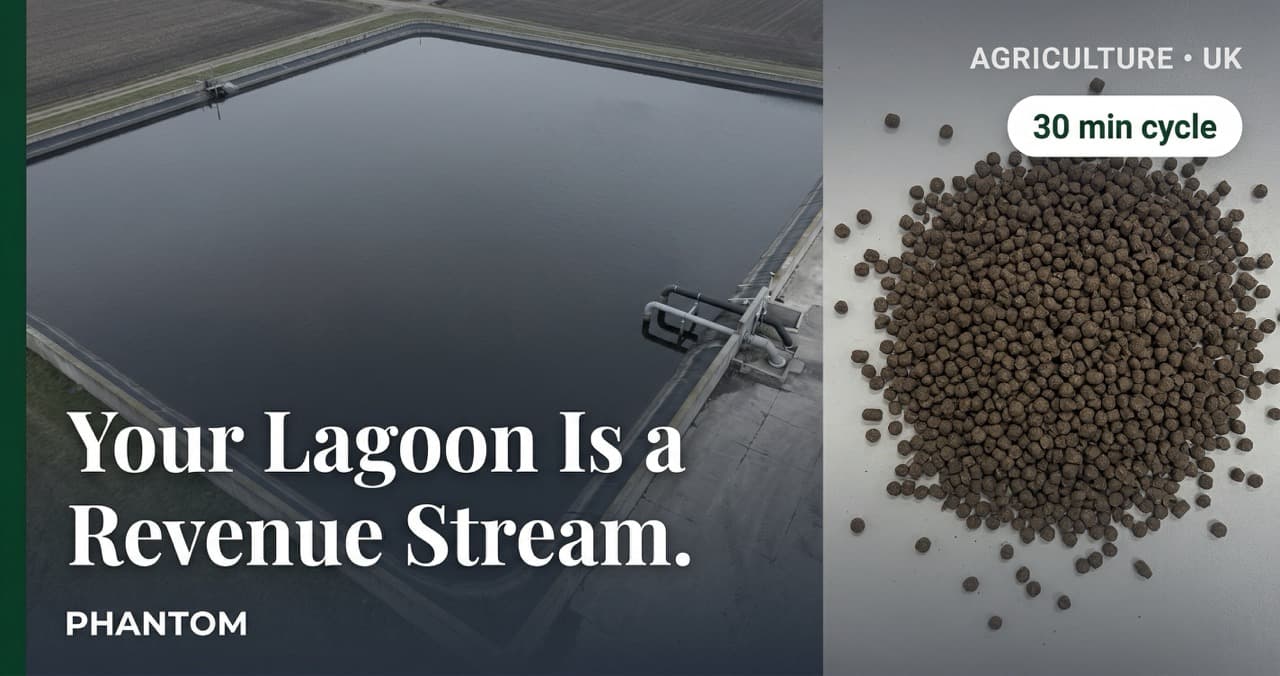
Turn Livestock Manure into Organic Fertilizer
Subcritical water hydrolysis converts livestock manure to organic fertilizer in 30 minutes — full pathogen destruction, higher nutrients, better ROI.
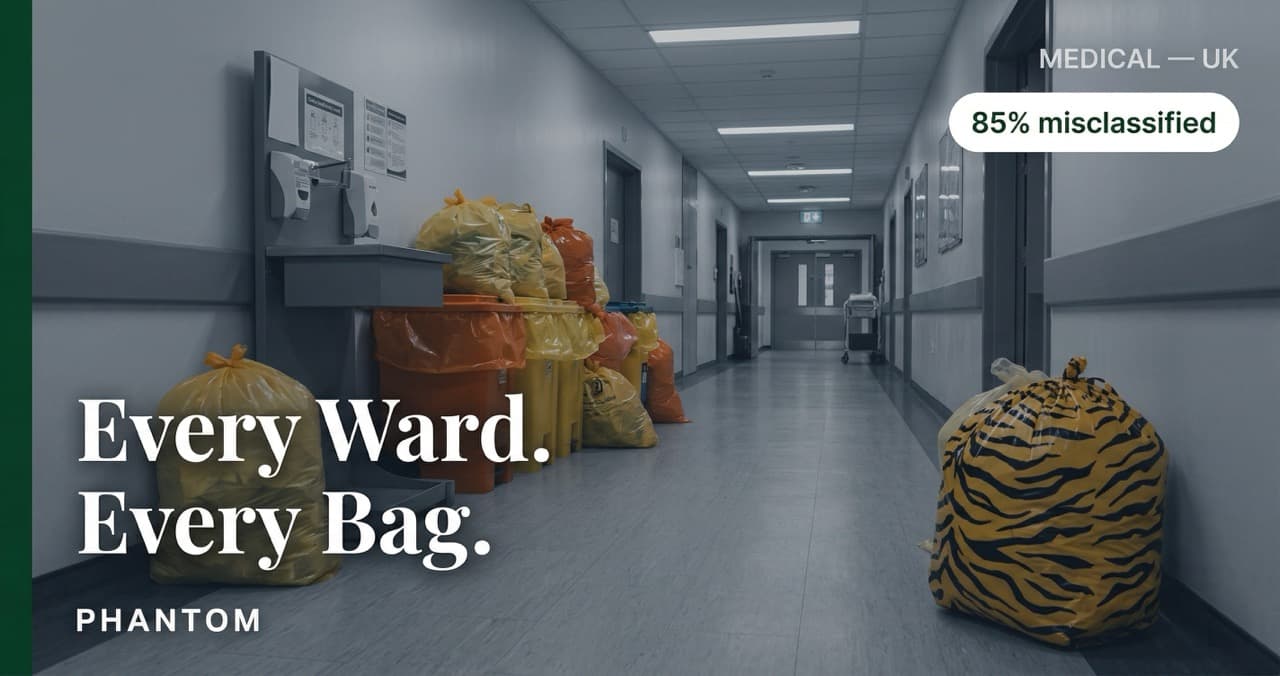
Hospital Single-Use Plastics & PPE Management
How hospitals cut plastic waste 20–40% without compromising infection control — covering PPE optimisation, reusable textiles, and hydrolysis treatment.
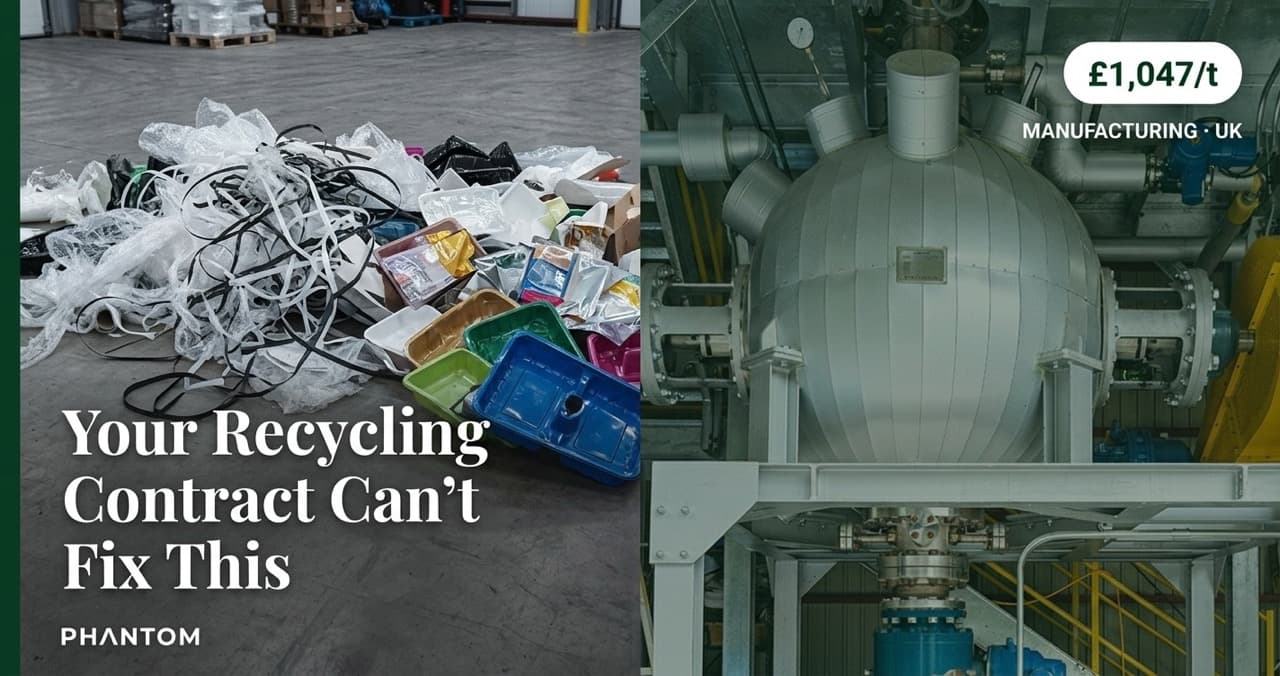
Mixed Plastic Waste: Why UK Compliance Costs Exceed £1,000/t
UK manufacturers face £847–£1,047/tonne in regulatory costs on mixed plastic. Why mechanical recycling cannot fix it — and what subcritical hydrolysis changes.
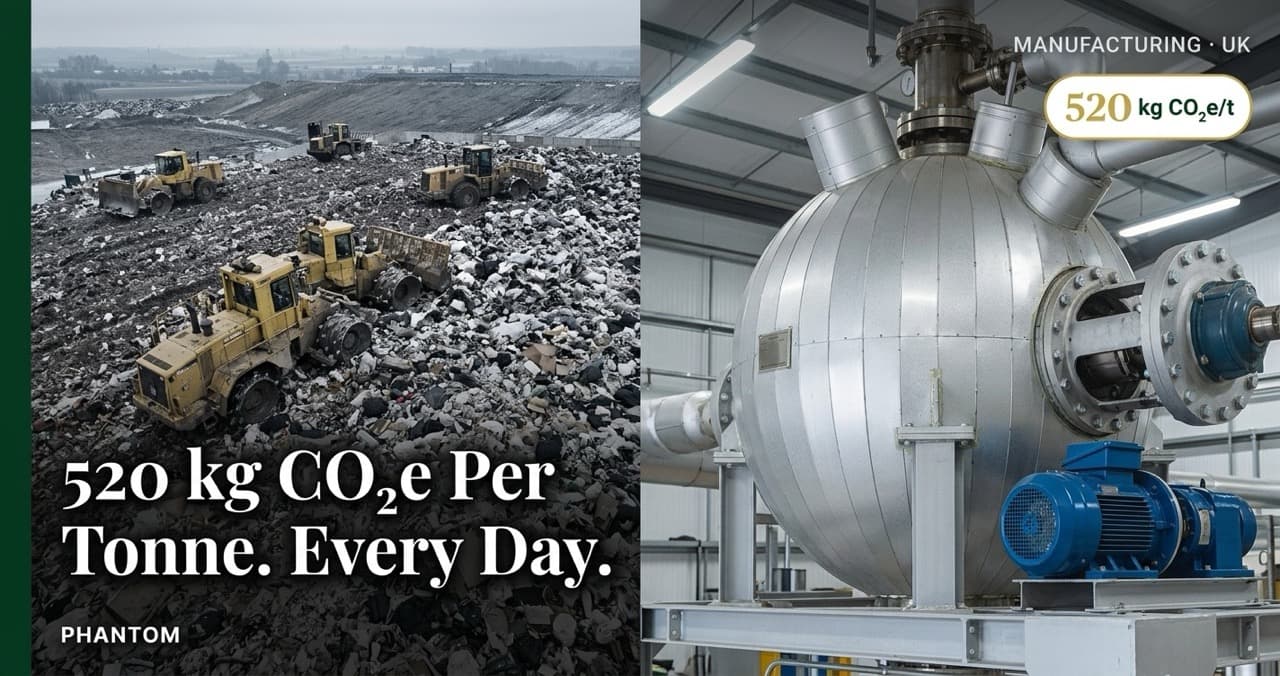
Manufacturing Waste: Carbon Footprint Impact
How waste disposal affects Scope 3 carbon emissions — and the engineering changes that deliver measurable reductions for manufacturers.
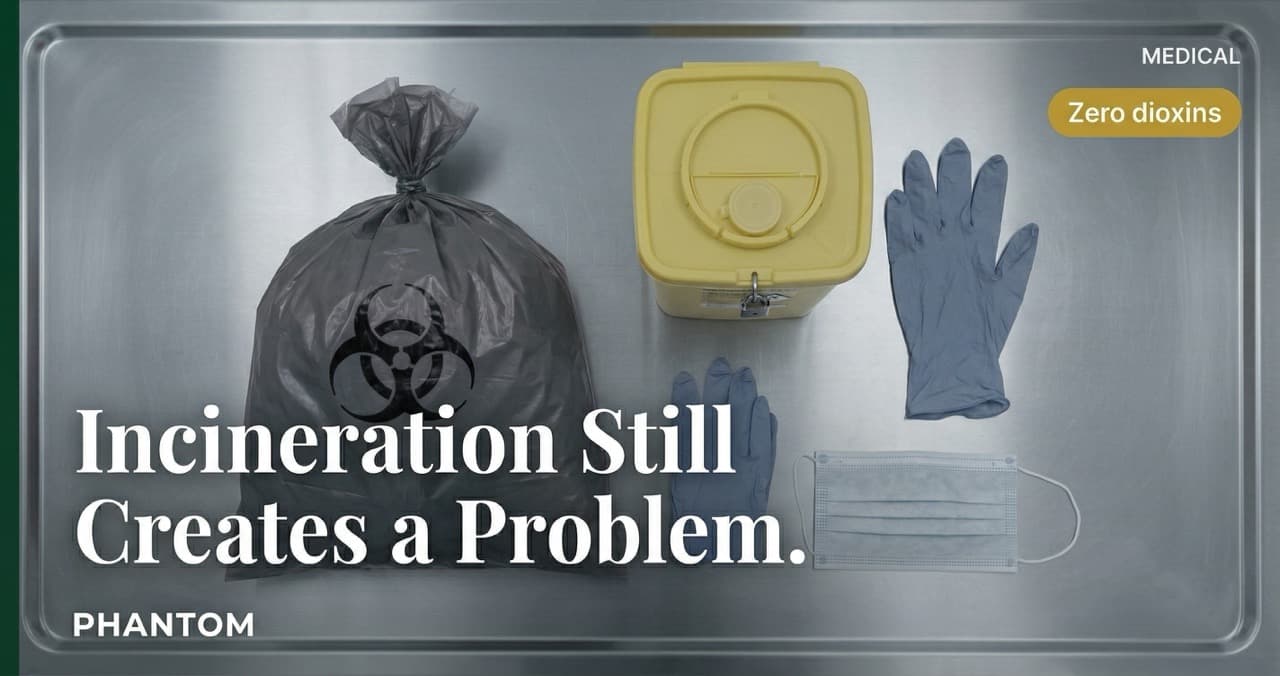
Infectious Medical Waste Treatment Without Incineration | NHS Guide
Deep-dive comparison of autoclaving, ISS, microwave, chemical disinfection, and subcritical water hydrolysis for hospital and biomedical waste managers.
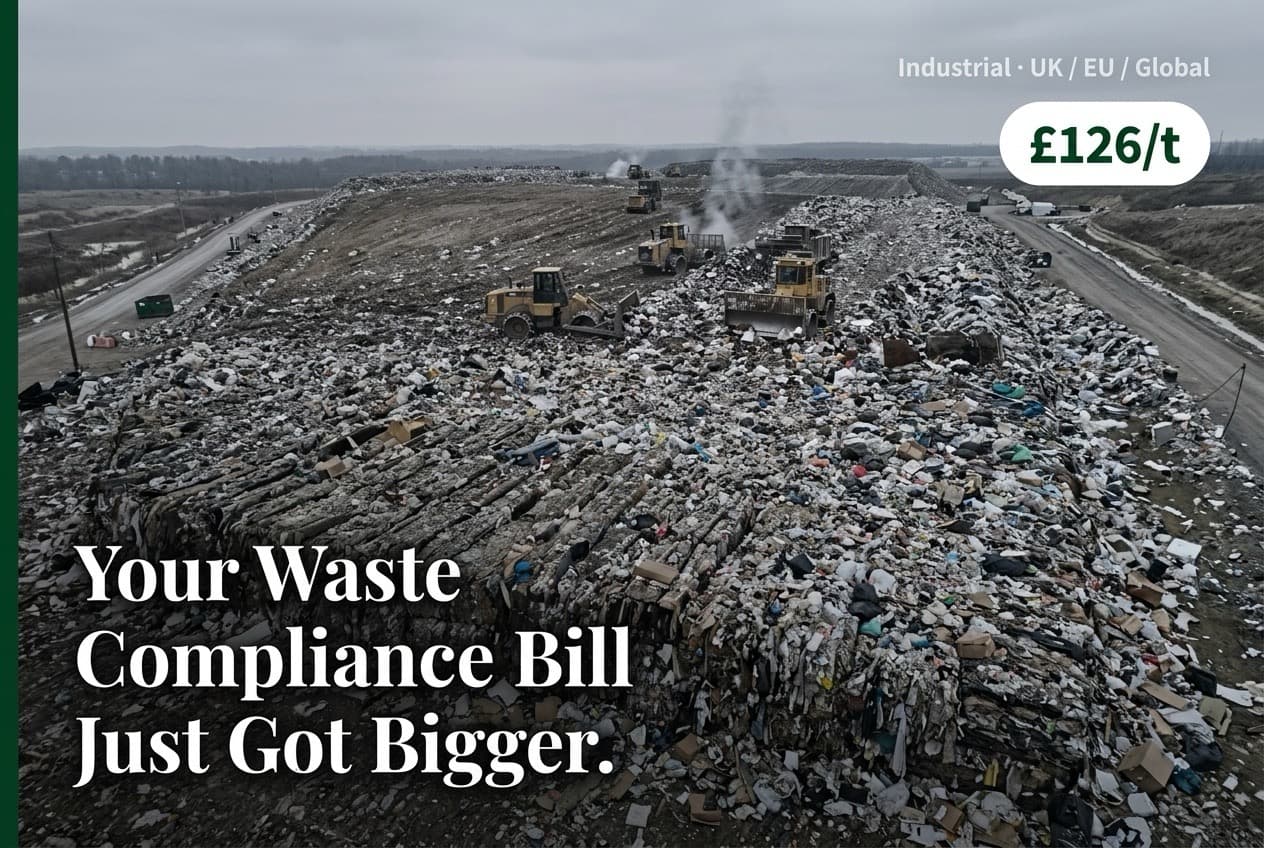
Zero-Emission Industrial Waste Treatment Guide
UK facilities face £126/t landfill tax and EU ETS costs from 2028. Guide to zero-emission waste treatment via subcritical water hydrolysis — ROI and deadlines.
Have Questions About Waste Treatment?
Contact our team for expert guidance on choosing the right waste processing solution for your operation.