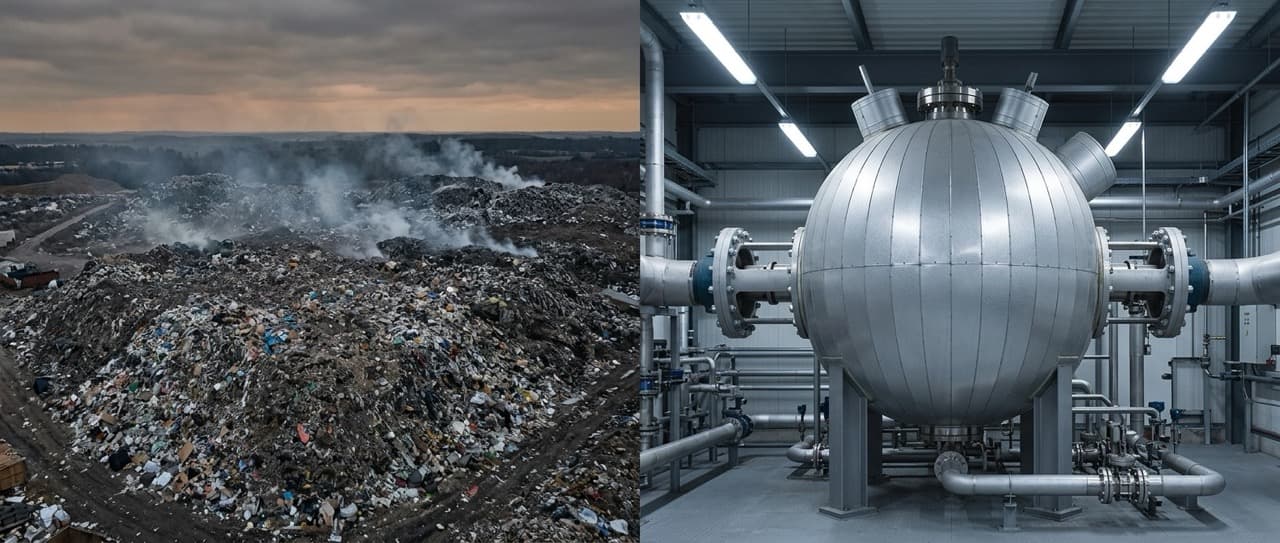
TL;DR — Zero-Emission Industrial Waste Treatment
Zero-emission industrial waste treatment converts organic and plastic industrial waste into reusable resources — fertiliser, compost, and fuel — through non-combustion technology, eliminating Scope 3 greenhouse gas emissions and toxic byproducts at the source.
To achieve zero-emission treatment, facilities must adopt the Decarbonised 5R Framework:
- Reduce: Audit waste streams to cut generation at the source (sets the SBTi Scope 3 baseline)
- Reuse: Route materials back into supply chains via industrial symbiosis before treatment
- Recycle: Track lifecycle carbon per tonne diverted, not just diversion weight
- Recover: Process residual waste via non-combustion hydrolysis (250°C) to produce sellable outputs
- Remove: Offset unavoidable residual Scope 3 via verified carbon credits or sequestration
Applicable to: UK, EU, and US manufacturing, agricultural, food processing, and healthcare facilities subject to rising landfill tax (UK: £126.15/t in 2025/26), EU IED 2024 emission limits, EU ETS incineration costs from 2028, and mandatory CSRD Scope 3 Category 5 waste reporting from 2025.
Example: A facility paying £126/tonne (~$160/tonne) to landfill organic sludge switches to Subcritical Water Hydrolysis at 250°C — processing 3 tonnes into 1.8 tonnes of sellable fertiliser and compost in 30 minutes, at ~$33 in fuel costs per cycle, with zero dioxin output.
↓ Read the full 12-section executive guide below for deep dives into: incineration's regulatory collapse (§3), the ionic physics of subcritical water (§4), ROI tables and EU ETS cost modelling (§10), and the 5-step implementation roadmap (§9). Related: What Is Subcritical Water Hydrolysis? · Manufacturing Waste: Carbon Footprint Impact
Every tonne of industrial waste your facility sends to a landfill or incinerator is, at current rates, a multi-currency liability: £126.15 (~$160 USD) in UK landfill tax, a growing EU carbon cost that will reach an estimated €149 (~$161 USD) per tonne by 2030, and an ESG risk that sophisticated investors are beginning to price. At the same time, that same tonne of waste — processed correctly — contains sellable fertiliser, recoverable fuel, and a compliance certificate that could unlock sustainability-linked finance at preferential rates.
This guide is the definitive executive reference for industrial waste treatment decision-makers. It covers the global crisis, the specific regulatory pressure building in the UK, EU, and US, the science of zero-emission alternatives, and — critically — the economics of turning a cost centre into a revenue stream. It forms part of the broader resource on the subcritical water hydrolysis machine — covering full specifications, output streams, and ROI modelling for industrial operators.
PHANTOM Pays for Itself — Two Ways
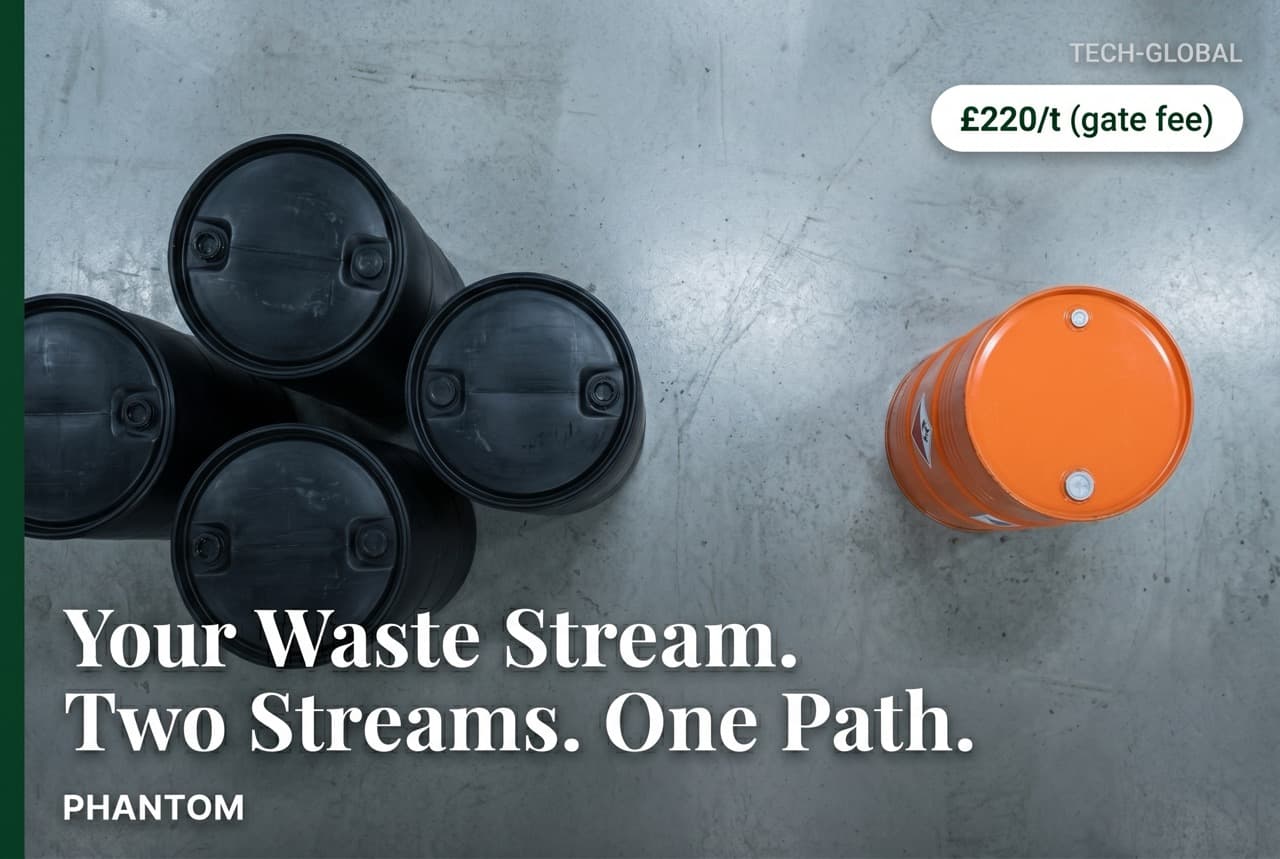
Disposal savings cut costs. Output revenue — compost sold to agriculture, solid fuel from plastics — generates income. Together they can cover a typical finance arrangement, making PHANTOM effectively self-funding.
Clinical, PPE & infectious waste via incineration · £617/tonne · NHS clinical waste incineration rate, 2026
Disposal rate: £617/t (NHS clinical waste incineration rate, 2026). Op cost: ~£33/cycle (kerosene boiler, 3t batch per Phantom 3M3 spec). Output yield: ~1.8t per 3t input (60%). Output revenue: indicative UK market rates. Machine price: ~¥260M FOB (~£1.37M / ~$1.75M). Lease model: 5-yr, 6% APR indicative only. ~1.27 USD/GBP. Actual results depend on waste composition, output quality, local market pricing, and financing terms.
Includes output revenue analysis and tailored finance modelling for your facility.
What Is Zero-Emission Industrial Waste Treatment? (And Why 'Zero Waste to Landfill' Is Not the Same Thing)
Zero-emission industrial waste treatment converts organic and plastic waste into reusable resources — fertiliser, compost, and fuel — through non-combustion technology, eliminating Scope 3 emissions and toxic by-products at source.
The three defining criteria of a genuinely zero-emission treatment process are:
- No combustion — the treatment process must not oxidise waste at high temperature
- No dioxins, furans, or hazardous by-products in the process output
- Scope 3 Category 5 emissions (waste in operations) verifiably near-zero under CSRD double-materiality reporting
Applicability: This definition applies to industrial, agricultural, medical, and food processing facilities subject to CSRD, UK ETS, or EU IED 2024 obligations. It does NOT apply to facilities whose waste streams consist primarily of glass, metal, or stone, which require pre-sorting before organic fraction treatment.
Example: A UK food processing plant paying £126/tonne in landfill tax switches to subcritical water hydrolysis at 250°C — processing 3 tonnes into 1.8 tonnes of sellable fertiliser and compost in 30 minutes, at ~$33 in fuel costs per cycle, with zero dioxin output and a verifiable Scope 3 Category 5 reduction.
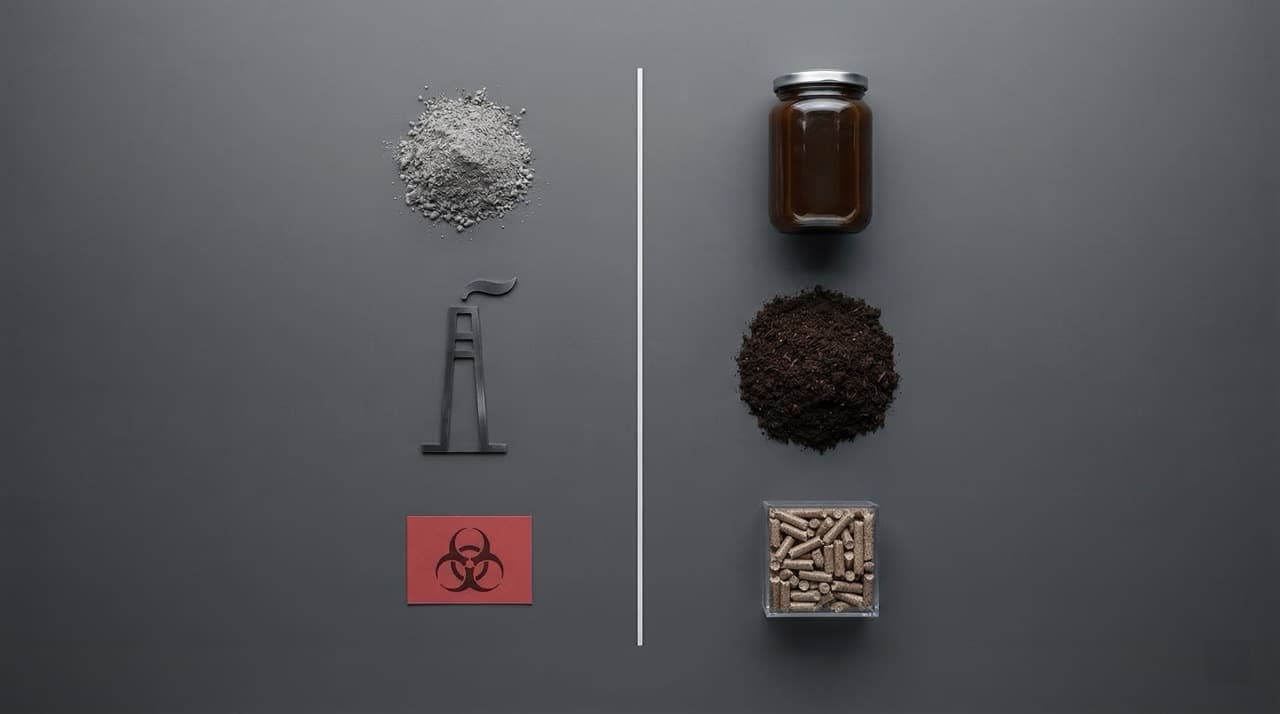
Zero Waste to Landfill vs Zero-Emission Treatment: the distinction that now matters under CSRD Scope 3 mandatory reporting.
The two terms are routinely conflated in corporate sustainability reports — and regulators have noticed. The European Commission's Circular Economy Action Plan and the UK's Environment Act both make clear that simply redirecting waste from one disposal route to another does not constitute meaningful decarbonisation.
The key distinction lies in Scope 3 Category 5 emissions — waste generated in operations. Under the EU's Corporate Sustainability Reporting Directive (CSRD), now phased in from 2025, companies must apply double-materiality analysis to all Scope 3 categories. Choosing a treatment pathway that combusts your organic waste at 800°C and emits 2.9 tonnes of CO₂ per tonne of plastic burned is a Scope 3 liability that will appear in your mandatory reports — and your ESG rating.
The 'Decarbonised 5R' Framework
Traditional circular economy thinking uses the '5Rs' — Refuse, Reduce, Reuse, Recycle, Recover. Zero-emission treatment upgrades this to a Decarbonised 5R model by adding a critical sixth dimension: Decarbonise the treatment process itself. This means:
- Reduce waste generation at source (source reduction audits, SBTi target-setting)
- Reuse materials within the facility or supply chain (industrial symbiosis)
- Recycle with lifecycle carbon accounting (not just weight-diversion metrics)
- Recover energy and nutrients without combustion (hydrolysis, anaerobic digestion)
- Remove any remaining Scope 3 waste liability via verified carbon offsets or on-site carbon sequestration
It is in 'Recover' — the treatment step — where Subcritical Water Hydrolysis, the core technology powering the PHANTOM system, delivers its most decisive advantage over both incineration and conventional composting.
The Global Industrial Waste Crisis — The Numbers Your Board Needs to See
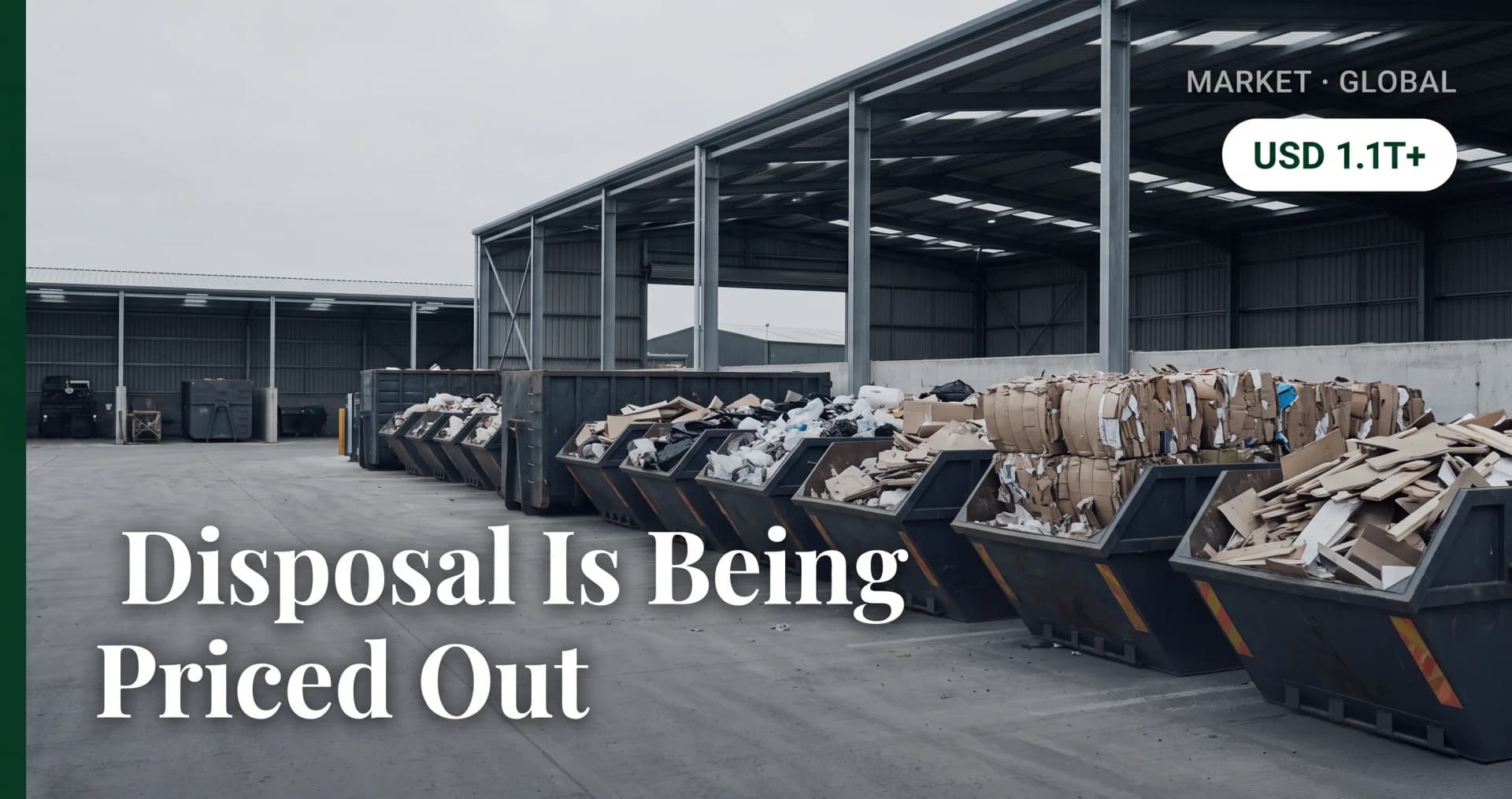
The UNEP Global Waste Management Outlook 2024 estimates the direct and hidden costs of waste at $361 billion annually — equivalent to the GDP of Hong Kong. Without intervention, that figure will reach $640 billion by 2050.
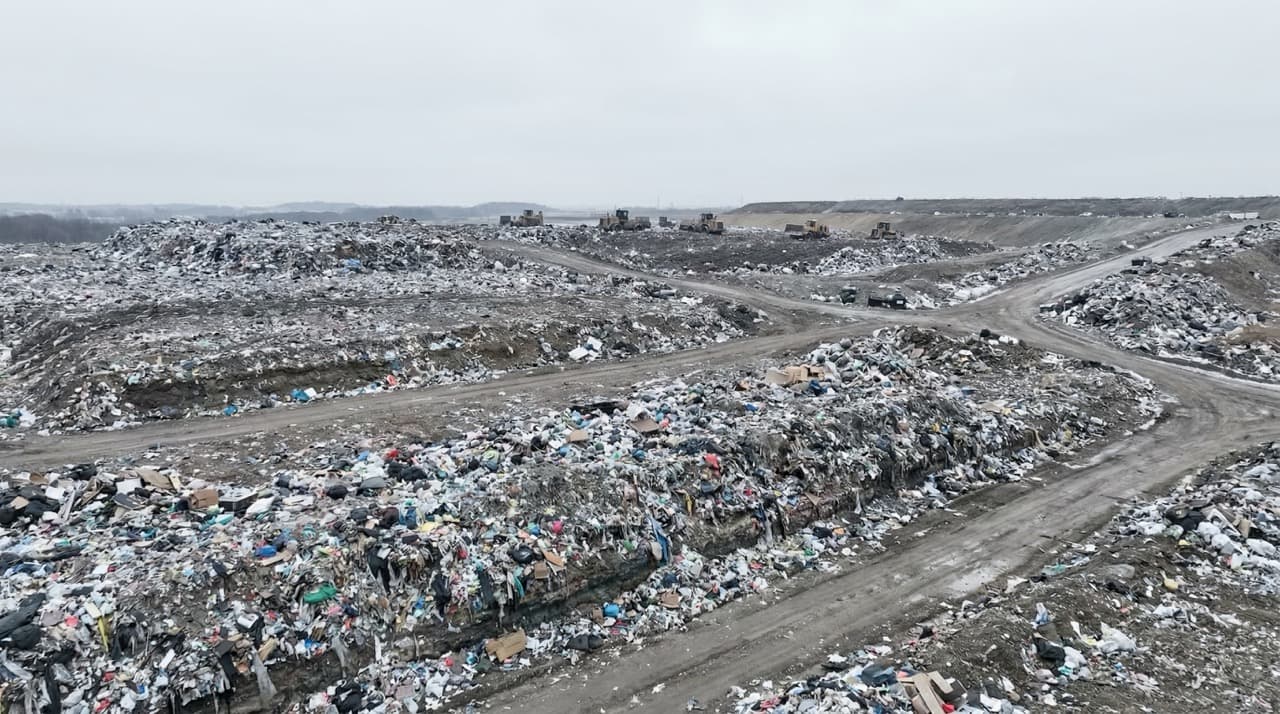
The convergence of rising landfill taxes, US tipping fees, and EU ETS carbon costs is closing the window for cost-neutral transition.
These are not abstract environmental figures. They translate directly to corporate P&L exposure — and they are the cost engine behind the 2026 market shift from disposal to resource recovery:
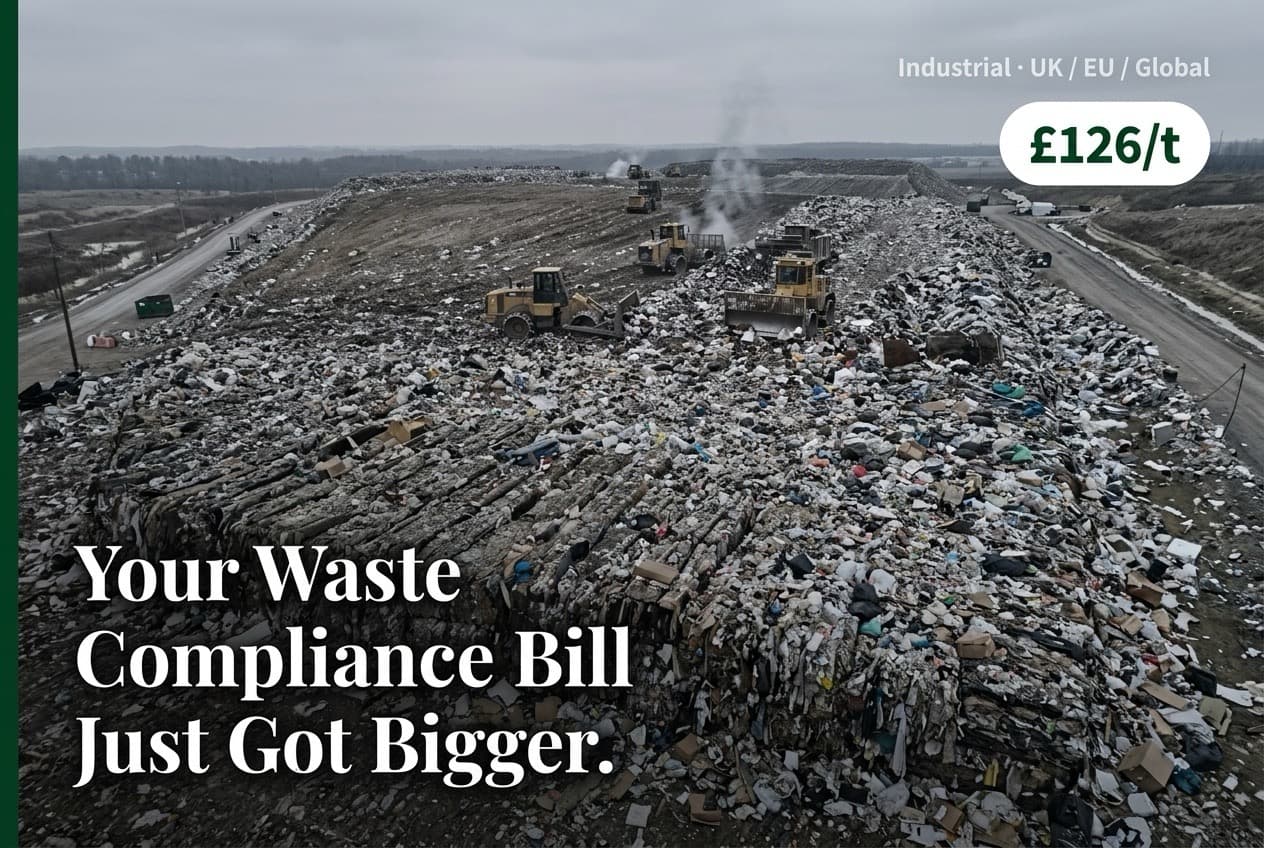
- UK landfill tax: £126.15 (~$160 USD) per tonne (standard rate, 2025/26) — a 21.6% single-year increase confirmed by the Office for Budget Responsibility. With gate fees, total disposal costs reach £150–156 (~$191–198 USD) per tonne. Every UK business producing waste bears this liability directly under UK industrial waste generator responsibility.
- US tipping fees: the national average hit $62.28 per ton in 2024 (up 10% year-on-year per EREF 2024), with the Northeast averaging $80–90 per ton.
- Methane liability from landfills: methane has a Global Warming Potential (GWP) 84 times that of CO₂ over a 20-year timeframe (IPCC AR6). Aerial monitoring by Carbon Mapper found real-world emissions are 1.4× higher than EPA estimates, with over 52% of large US landfills showing significant uncontrolled leaks.
- Regulatory closure: the EU's Landfill Directive caps municipal waste landfilling at 10% by 2035, with all recyclable or recoverable waste banned from landfills from 2030. Germany, Austria, Belgium, the Netherlands, and Sweden have already enacted national bans.
⚡ Avery's Insight — "Turning cost centres into revenue streams."
The £126 (~$160 USD) landfill tax per tonne you're currently paying is not a fixed cost — it's an opportunity cost. Every tonne of organic waste you send to landfill is a tonne of liquid fertiliser, compost, and fuel feedstock you're paying someone else to bury. The PHANTOM system inverts this: 3 tonnes of input produces approximately 1.8 tonnes of sellable output. The maths of circular waste economics is becoming compelling.
Why Incineration Is Becoming an Obsolete Strategy
Incineration is becoming economically unviable for industrial waste operators due to three converging forces: rising capital costs, regulatory exclusion from EU sustainable finance, and mandatory carbon pricing from 2028.
The three mechanisms closing incineration's economics:
- Capital cost: €600–1,000 (~$650–1,080 USD)/tonne annual capacity to build + €100–200M (~$108–216M USD) pollution control infrastructure
- EU Taxonomy exclusion: incineration is formally classified as "causing significant harm" to the circular economy — ineligible for any EU green finance from 2024
- EU ETS inclusion from 2028: every tonne incinerated will require surrender of carbon allowances, adding an estimated £20–100 (~$25–127 USD)/tonne in gate fees (WRAP forecast)
Applicability: This applies to facilities with existing incineration contracts or those evaluating new incineration capacity in the EU or UK. Facilities in markets where EU ETS does not yet apply (e.g. certain GCC states) face a delayed but structurally identical trajectory.
Example: A UK manufacturer currently incinerating 50 tonnes/week faces an additional carbon cost of £52,000–£260,000/year from 2028 on existing contracts, with no short-term exit clause in most standard gate-fee arrangements.
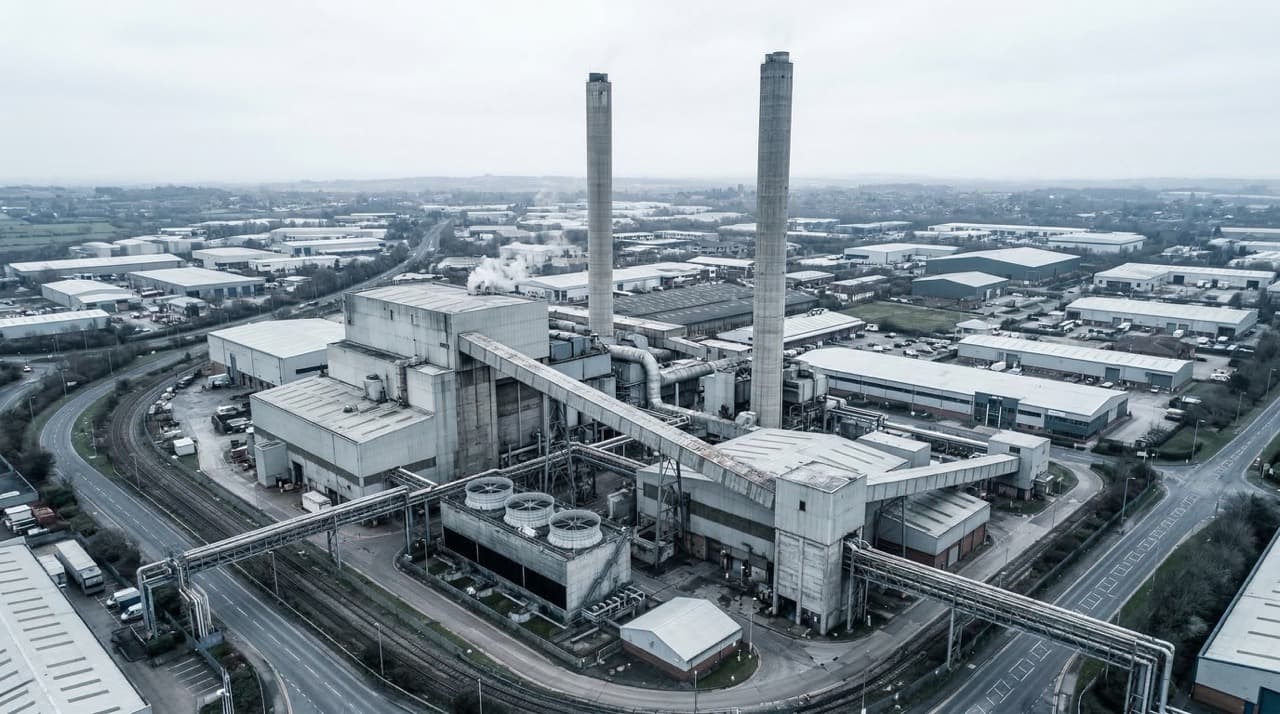
The regulatory trajectory for incineration is unambiguous — three converging EU mechanisms now make new incineration capacity a stranded asset risk.
The Dioxin and Health Risk Problem
Dioxins and furans form during combustion of organic and chlorinated materials in the temperature range of 300–600°C — the so-called 'dioxin window.' Modern incinerators are required to meet a limit of 0.1 ng TEQ/Nm³ under EU BAT and US EPA MACT standards, requiring expensive downstream filtration. Despite this, communities within 3 km of older incinerators have experienced elevated health risks in peer-reviewed studies, with the International Agency for Research on Cancer classifying the most toxic dioxin congener (2,3,7,8-TCDD) as a confirmed Group 1 human carcinogen. Burning plastics generates 2.9 tonnes of CO₂ per tonne — worse than coal at 2.7 tonnes.
The Capital and Operating Cost Reality
Construction of a new waste-to-energy incineration plant costs between $190 million and $1.2 billion for a one-million-tonne-per-year facility. Pollution control infrastructure — scrubbers, bag filters, selective catalytic reduction — adds €100–200 million (~$108–216 million USD). Operating costs of €15–60 (~$16–65 USD) per tonne are then compounded by waste disposal of hazardous fly ash, which is classified as a special waste requiring specialised landfilling.
The Regulatory Trajectory Is Unfavourable
The EU's revised Industrial Emissions Directive (Directive 2024/1785), in force since August 2024, now requires the strictest achievable emission limits. The EU ETS will include municipal waste incineration from 2028 — creating a new per-tonne carbon cost estimated at £20–100 (~$25–127 USD) per tonne in additional gate fees (WRAP). The EU Taxonomy's 'Do No Significant Harm' principle (Article 17) explicitly classifies incineration as causing significant harm to the circular economy transition, making it ineligible for green finance. The European Investment Bank, Cohesion Fund, Regional Development Fund, and Just Transition Fund have all withdrawn financing for incineration. Europe already has 60 million tonnes of excess incineration capacity (Zero Waste Europe, 2023).
Operators who have not begun transitioning their treatment infrastructure by 2027 will face this cost with no short-term exit. The PHANTOM waste treatment system is one of the few commercially proven non-combustion alternatives deployable within a single fiscal year.
For businesses assessing medical waste treatment alternatives alongside conventional industrial streams, the same logic applies — a topic explored in detail in our dedicated guide on on-site medical waste sterilisation.
The Science of Subcritical Water Hydrolysis — How PHANTOM Works
Subcritical water hydrolysis operates water at 200–250°C under 2–2.7 MPa (20–27 bar) of pressure, where its ionic properties change radically — it becomes a powerful acid and base catalyst simultaneously, breaking organic molecular bonds without combustion, without dioxin formation, and without requiring feedstock pre-drying. The PHANTOM system completes a full 3-tonne cycle in approximately 30 minutes. For a deep-dive into the ionic physics behind this process, see What Is Subcritical Water Hydrolysis?. For full vessel specifications, throughput capacity, and site assessment eligibility, see the subcritical water hydrolysis machine product page.
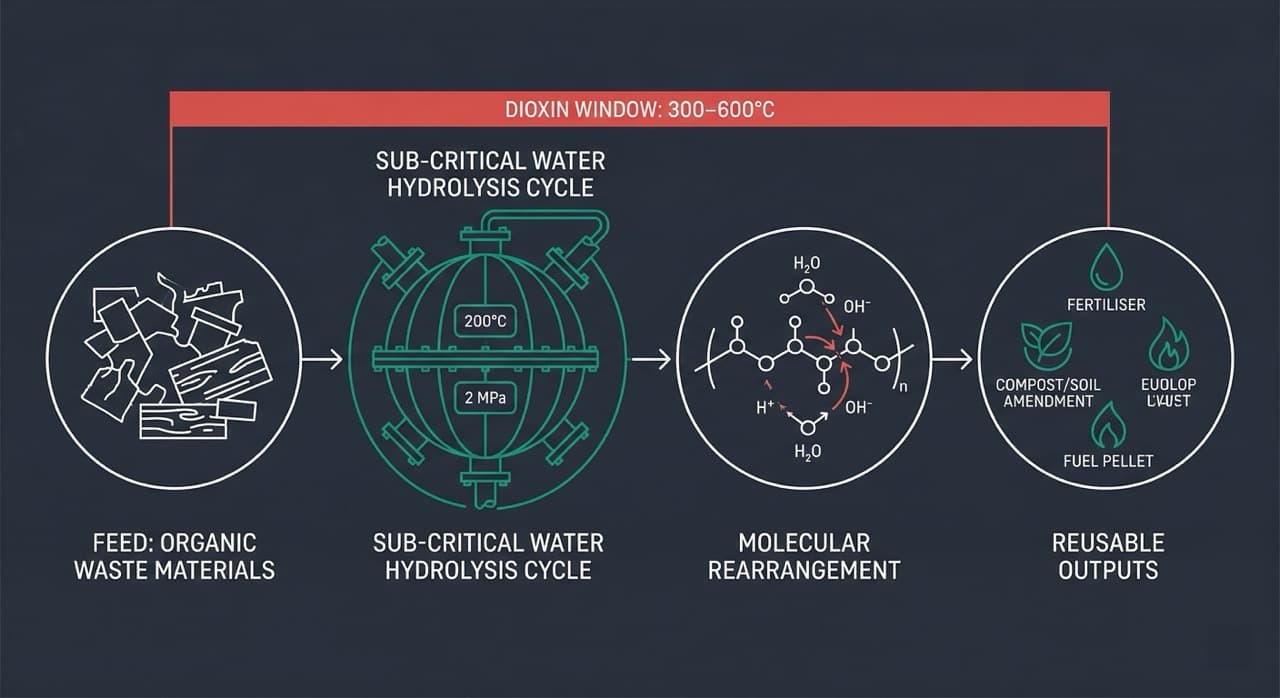
The four-stage PHANTOM hydrolysis cycle. Operating at 250°C — well below the 300–600°C dioxin formation window — is not an engineering compromise; it is the core safety and compliance differentiator.
What Makes Water 'Subcritical'?
At standard conditions, water has a dielectric constant (ε) of ~81 and an ionic product (Kw) of 10⁻¹⁴. At 300°C and elevated pressure, ε drops to approximately 20 — similar to methanol — while Kw increases by up to three orders of magnitude. This generates a flood of hydronium (H₃O⁺) and hydroxide (OH⁻) ions that cleave ester, peptide, and glycosidic bonds in organic materials at extraordinary speed, without any added chemical solvents or catalysts.
The PHANTOM system, developed in Japan and distributed internationally by Phantom, operates at approximately 250°C and 2–2.7 MPa — sufficient for complete organic decomposition and sterilisation of most industrial, agricultural, and medical waste streams without reaching the temperature range where dioxins form.
Why PHANTOM Produces Zero Dioxins
Dioxin neogenesis — the formation of new dioxin molecules — requires temperatures of 300–600°C under oxidative conditions. The PHANTOM system operates at 250°C in a sealed, non-combustion environment. An EPA technical assessment of supercritical and subcritical water processes confirmed explicitly: 'Dioxins, furans, NOₓ … do not form.' A peer-reviewed study in the Springer Journal of Polymers and the Environment (2023) corroborates: hydrothermal treatment avoids harmful combustion by-products including dioxins by design.
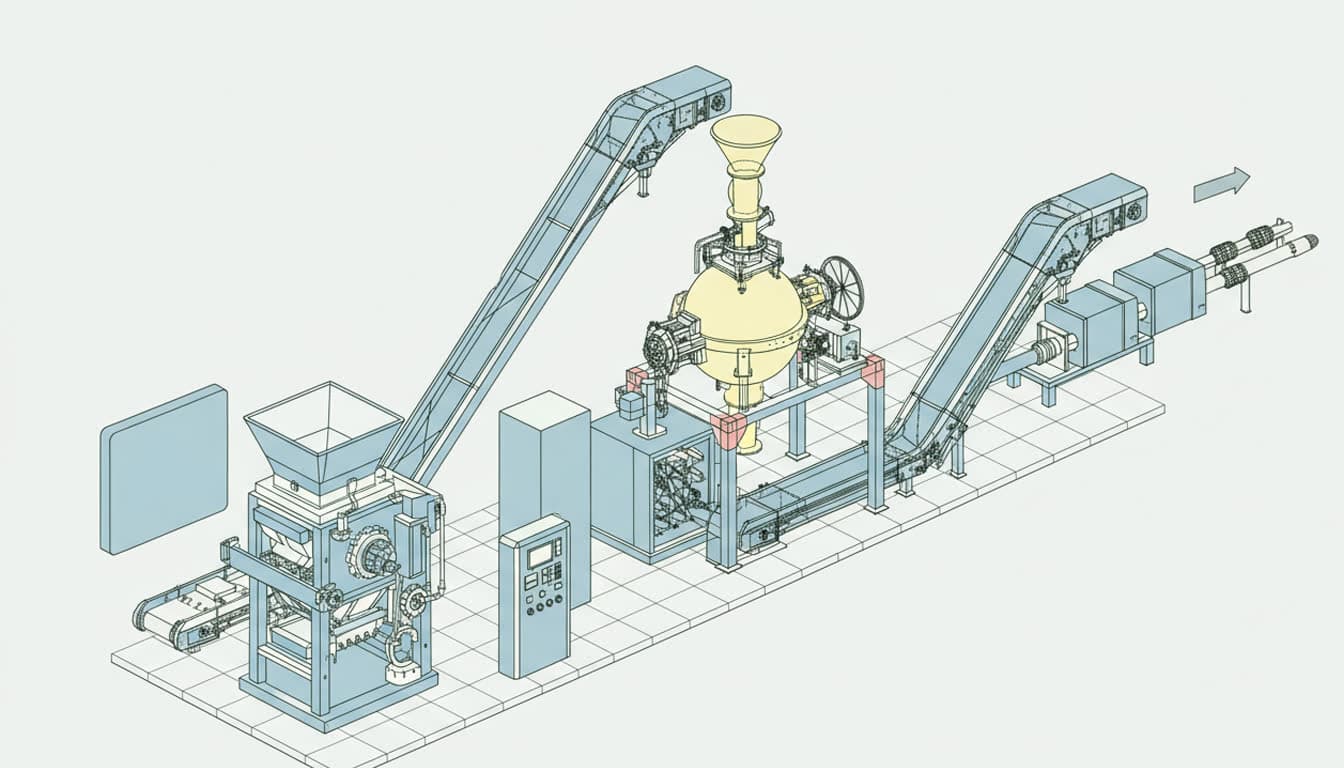
The PHANTOM round-type processing furnace. The sealed spherical design ensures uniform pressure and temperature across the full 3-tonne input load — critical for consistent sterilisation and volume reduction results.
Performance: Volume Reduction, Sterilisation, and Speed
- Volume reduction: peer-reviewed studies report 70–95% solids reduction depending on feedstock (Catallo & Comeaux, Waste Management, 2008); the PHANTOM system specifications cite approximately 60% reduction conservatively, though practical operation often exceeds this depending on moisture content. In practical terms, 3 tonnes of input produces approximately 1.8 tonnes of usable output material.
- Sterilisation: the CDC recommends 121°C for 30 minutes for autoclave sterilisation of medical waste. PHANTOM at 250°C for 30+ minutes vastly exceeds this standard, achieving complete destruction of bacteria, viruses, spores, and prion-related proteins.
- Cycle time: actual processing at 250°C takes approximately 15 minutes; total cycle time including loading and discharge is approximately 30–35 minutes. Safe operational throughput is approximately 20–22 hours per day.
Energy Balance: The Heat Recovery Advantage
A common engineering question about subcritical water systems concerns energy intensity — heating water to 250°C at pressure is thermally demanding. The PHANTOM system addresses this through heat exchange: thermal energy from the treated outflow (exiting at near-processing temperature) is transferred to the cold incoming feedstock stream via a heat exchanger, recovering approximately 80–90% of the thermal input before supplemental kerosene boiler energy is applied. This substantially reduces the net energy cost per tonne processed.
Compared to incineration — which requires sustained 800–1,200°C combustion with turbine infrastructure to capture any energy value — PHANTOM's thermal footprint is a fraction of the cost, with no flue-gas treatment infrastructure required. The sole environmental burden is CO₂ from the boiler — significantly less than an equivalent incineration operation and with no toxic co-pollutants.
A Note on PFAS ('Forever Chemicals')
Per- and polyfluoroalkyl substances (PFAS) represent the most pressing emerging contaminant category in industrial and medical waste streams, with the EU, UK, and EPA all accelerating regulatory action. Subcritical water can begin to degrade PFAS compounds, but complete mineralisation typically requires temperatures above 300°C — above the standard PHANTOM operating range. If your waste stream contains significant PFAS loads (e.g., from firefighting foam, semiconductor manufacturing, or specific medical coatings), contact our team to discuss pre-treatment configuration before specifying a system. Phantom will not make claims of complete PFAS destruction at 250°C that the current science does not support.
The Circular Economy Case — Turning Liability Into Assets
Waste treated by PHANTOM is not 'disposed of' — it is transformed. Organic waste becomes liquid fertiliser, compost, and fuel feedstock. The global compost market is projected to reach $12.55 billion by 2030 at 7.6% CAGR. Your waste is not a cost; it is an inventory position in the wrong column.
What PHANTOM Actually Produces
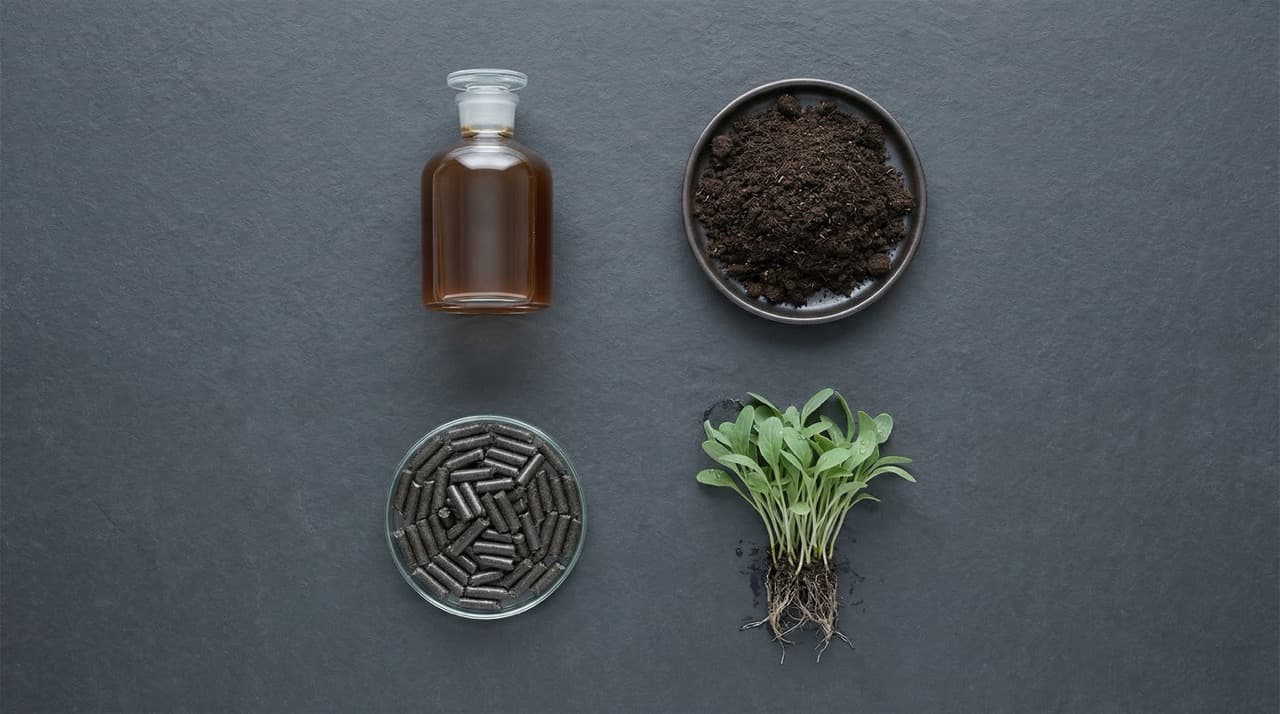
From a single 30-minute cycle: four sellable output categories that transform a disposal cost into a balance sheet asset.
By selectively inputting waste types, operators obtain circular outputs from each processing cycle:
- Liquid fertiliser (from organic waste including livestock manure, fish waste, and food waste): diluted 500× with seawater, this nutrient-rich liquid can accelerate crop growth significantly. The EU Fertilising Products Regulation (2019/1009) provides the first harmonised CE-marking framework for compost and digestate. UK PAS 100:2018 governs compost quality for end-of-waste status.
- Agricultural compost (from food waste, livestock manure, medical organic material, wooden building materials): the nutrient (NPK) value in each tonne of quality compost is approximately €41 (~$44 USD) (European Compost Network). UK producers holding PAS 100 accreditation can sell directly to farms.
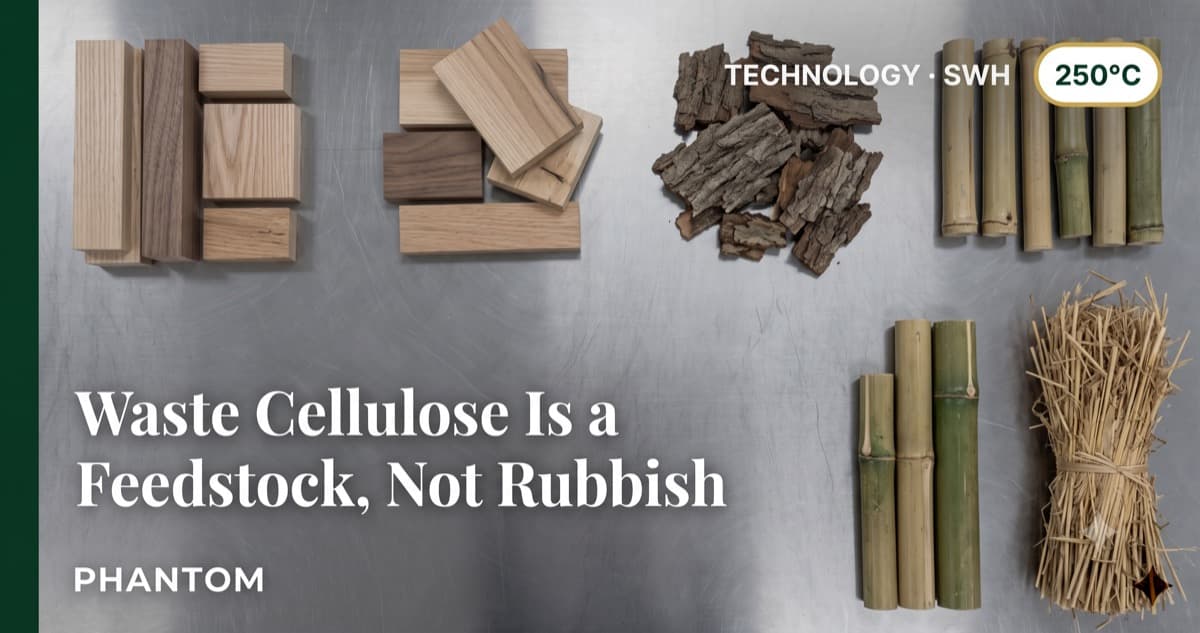
- Fuel feedstock (from plastics, PET/PEs, paint, rubber, wood, oil sludge): subcritical water depolymerises plastic polymers into lower-molecular-weight hydrocarbon fractions suitable for fuel recovery — without the dioxin emissions of direct incineration. Clean cellulosic biomass — untreated timber, bark, straw, and bagasse — follows a separate glucose pathway; see which cellulosic waste qualifies as a bioethanol feedstock for the full stream qualification table.
- Sterile biosolids (from medical waste, diapers, livestock waste): post-treatment residues are safe for composting or agricultural application — except items excluded by input specification (glass, metal, stone, which exit as separated inorganic material).
For a consolidated overview of output streams and their commercial value, see the PHANTOM system benefits overview.
A Critical Note on Output Quality and Heavy Metals
The quality of PHANTOM outputs depends directly on the quality of your inputs. For organic waste streams from food production, agriculture, and livestock operations, the liquid fertiliser and compost outputs are typically rich in NPK nutrients and suitable for direct agricultural application after standard verification. However, for industrial sludge or waste from processes involving heavy metals (cadmium, lead, mercury, arsenic), the hydrolysis process concentrates these metals into the solid fraction rather than volatilising them as incineration would. The solid fraction will require ICP-MS metals speciation testing before any land application. Phantom specifies the appropriate output management protocol for each waste stream during the site assessment process.
Industrial Symbiosis: The PHANTOM System as a Network Node
The UK's National Industrial Symbiosis Programme diverted 47 million tonnes from landfill and delivered over £1 billion (~$1.3 billion USD) in industry cost savings between 2005 and 2013. The Kalundborg Symbiosis in Denmark delivered an estimated $310 million in cumulative savings against $78.5 million in investment. A PHANTOM system positioned to process the organic waste of multiple neighbouring facilities, with outputs distributed as compost and fertiliser to local agriculture, is a concrete implementation of this model.
The Global Regulatory Landscape — Why You Must Act Before 2028
Industrial waste operators in the UK, EU, and US must transition away from landfill and incineration before 2028, when carbon pricing, mandatory Scope 3 reporting, and landfill bans take simultaneous effect.
Key regulatory deadlines by jurisdiction:
- UK: ETS inclusion of energy-from-waste incineration from 2028; EPR packaging fees live from January 2025; biodegradable waste landfill near-elimination from 2028
- EU: IED 2024 (Directive 2024/1785) in force August 2024; EU ETS expansion to waste incineration from 2028; Taxonomy exclusion of incineration already active
- US: 11-state organic waste landfill bans; California SB 253 Scope 3 reporting mandate from 2026–2027
- Japan/Asia: 5th Material-Cycle Society Plan (August 2024); South Korea Circular Economy Act (January 2024)
Applicability: The 2028 EU ETS deadline applies to facilities operating within the EU or holding EU supply chain partners subject to CSRD Scope 3 reporting. UK ETS inclusion applies to facilities operating in Great Britain.
Example: A German food manufacturer currently paying €65/tonne (~$70 USD) ETS carbon cost on its incineration contract faces a forecast cost of €149/tonne (~$161 USD) by 2030 (BloombergNEF) — a 129% increase with no operational change required to trigger the liability.
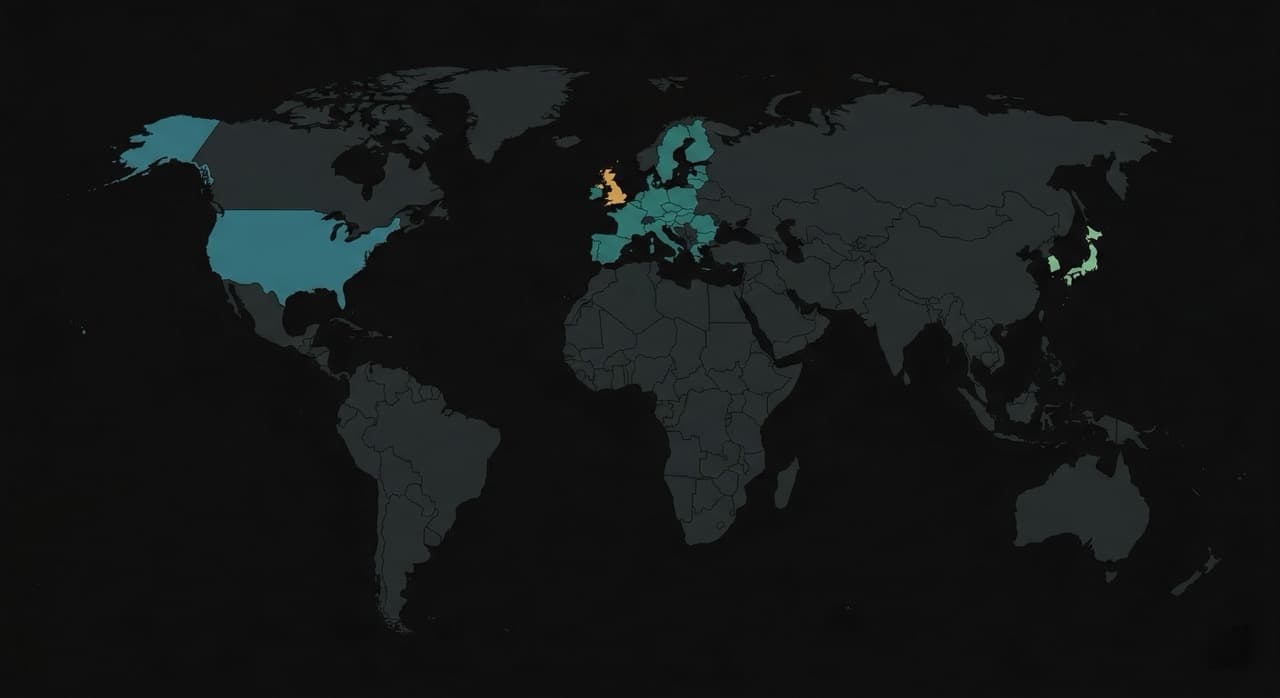
Four regulatory zones, one direction of travel: landfill and incineration are being systematically priced out of viability across all major industrial markets by 2028–2035.
United Kingdom
The Environment Act 2021 established legally binding targets for near-elimination of biodegradable municipal waste to landfill from 2028, halving residual waste per person by 2042, and mandating resource efficiency across all sectors. Extended Producer Responsibility for packaging took effect from January 2025, generating over £1 billion (~$1.3 billion USD) annually. The UK ETS will include energy-from-waste incineration from 2028 — adding an estimated £20–100 (~$25–127 USD) per tonne carbon cost (WRAP).
European Union
The IED recast (Directive 2024/1785), in force August 2024, covers approximately 52,000 industrial installations and now mandates the strictest achievable emissions limits, with financial penalties reaching 3% of annual EU turnover for serious infringements. The Waste Framework Directive mandates 55% municipal waste recycling by 2025, 60% by 2030, and 65% by 2035. EU ETS expansion to waste incineration from 2028 creates an inescapable carbon cost — currently €65–84 (~$70–91 USD) per tonne and forecast at €149 (~$161 USD) by 2030 (BloombergNEF). The EU Taxonomy formally excludes incineration from sustainable finance eligibility.
United States
Eleven states now prohibit organic waste from landfill, led by California, Massachusetts, New York, and New Jersey. California's SB 253 mandates Scope 1, 2, and 3 emissions reporting for companies with over $1 billion revenue from 2026–2027, explicitly including waste disposal in Scope 3. Massachusetts — which enforces its organic waste ban with strong infrastructure — achieved a 13.2% reduction in disposed waste and a 25.7% decrease in methane emissions per tonne (Science, September 2024).
Japan and Asia
Japan approved its 5th Fundamental Plan for a Sound Material-Cycle Society in August 2024, with circular economy transition as a national strategic priority. Japan currently incinerates approximately 80% of its waste, creating both urgency and opportunity for advanced non-combustion alternatives. South Korea's Circular Economy Act (January 2024) imposes a Waste Disposal Fee on businesses that incinerate or landfill recoverable resources. China's State Council directive (February 2024) targets a resource recycling industry worth 5 trillion yuan (~$694 billion) by 2025.
Application Overview — Industries the PHANTOM System Serves
The PHANTOM system is feedstock-agnostic across organic and mixed-plastic waste streams — from livestock operations and food processing to medical facilities and industrial manufacturing. Glass, metal, and stone cannot be treated and exit as separated inorganic residue. All other organic and plastic waste categories qualify for subcritical water hydrolysis treatment.
A brief overview of the primary application industries — each with a dedicated deep-dive guide in the Phantom knowledge base:
-
Agricultural and livestock operations: treatment of manure, slurry, fish scraps, shells, and processed remnants produces liquid fertiliser (diluted 500× with seawater) and feed supplements, directly addressing the sector's methane and nitrous oxide liability from manure management. See: livestock manure to organic fertiliser via subcritical hydrolysis, fishery and slaughterhouse wet waste treatment, and UK farm slurry disposal costs vs on-site SWH: NVZ ROI guide.
-
Food processing and catering: food waste from industrial kitchens, processing facilities, and supermarket supply chains is hydrolysed into compost and liquid fertiliser, eliminating landfill tax and gate fees entirely.
-
Medical and healthcare facilities: infectious clinical waste, used diapers, PPE, and contaminated materials are sterilised and rendered safe — exceeding CDC and EU autoclave standards without incineration. See: infectious medical waste non-incineration guide, hospital PPE and single-use plastics waste management, nursing home diaper disposal cost reduction, UK clinical waste HTM 07-01 bag colours and cost guide, UK medical waste permits and IStAATT validation, and medical waste TCO: autoclave vs. incineration vs. hydrolysis. For agricultural operations managing manure, slurry, and poultry litter — where NVZ compliance adds a parallel regulatory dimension — see our livestock manure and organic fertiliser treatment guide.
-
Plastics and packaging: PET bottles, food trays, PEs, PP, PS, and general plastic packaging are reduced in volume and converted to fuel feedstock — without incineration-derived dioxins or toxic fly ash. See: industrial plastics subcritical water hydrolysis guide and UK EPR 2025: mixed plastic waste compliance costs explained.
-
Industrial manufacturing: oil sludge, wooden building materials, rubber products, paint, and fabric waste are converted to fuel feedstock or safe compost. See: manufacturing waste carbon footprint impact and ROI of an industrial waste processing machine: a CFO's guide.
-
Municipal and mixed waste streams: for municipalities seeking to meet the EU Landfill Directive's 10% cap by 2035, on-site PHANTOM installations provide an immediate path to near-zero residual waste without the capital cost of a new incineration plant.
How Does PHANTOM Compare to Other Zero-Emission Technologies?
Anaerobic digestion, pyrolysis, and gasification each address specific waste types with specific trade-offs. PHANTOM's key advantages are feedstock flexibility (wet and mixed waste), complete sterilisation, zero dioxin production, and rapid cycle time — making it uniquely suited to complex industrial and mixed-stream waste challenges.
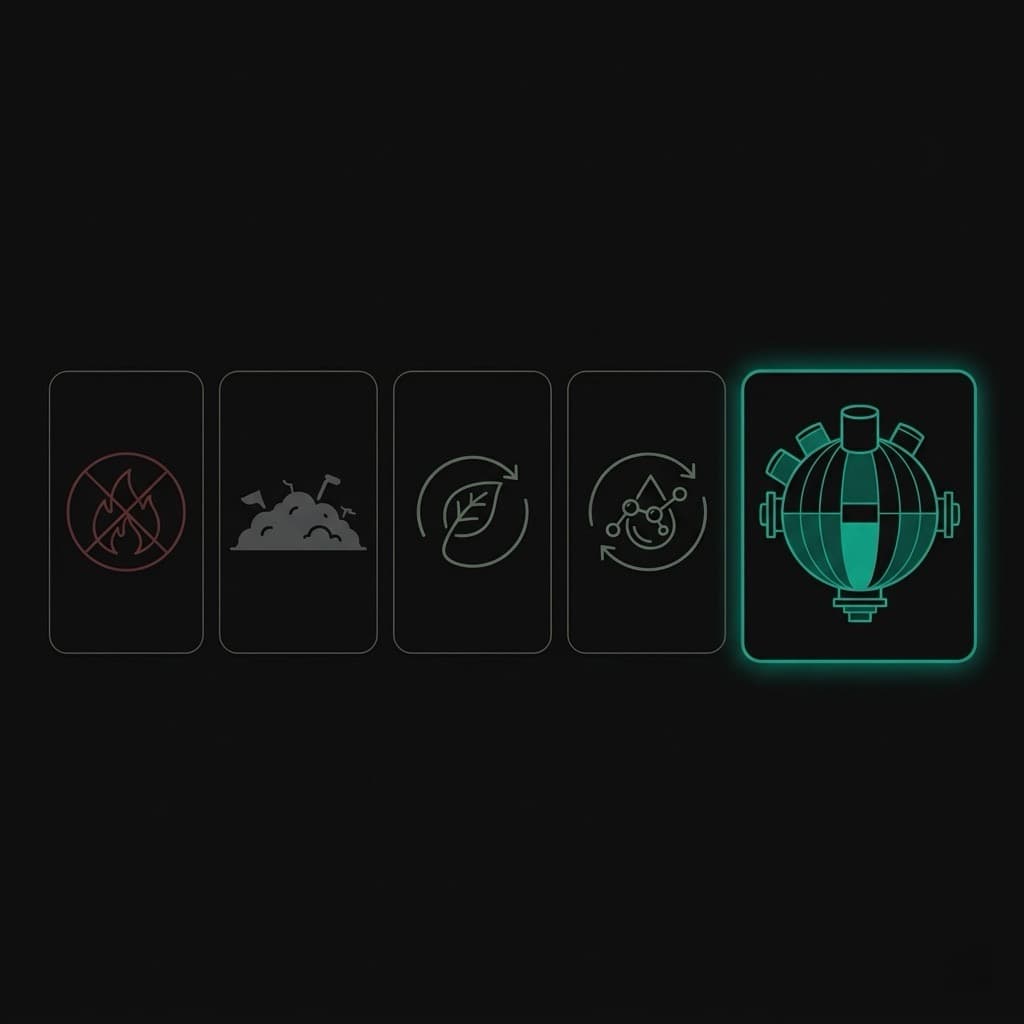
For full technical specifications including vessel dimensions, throughput, and utility requirements, see the PHANTOM system specifications.
Anaerobic digestion (AD) is well-established for source-separated organic waste and can produce biogas and digestate economically — UK AD gate fees can even be negative for food waste. But AD is strictly limited to biodegradable organics and cannot handle the mixed, plastic-containing, or pathogenic waste streams that PHANTOM addresses. Pyrolysis and gasification produce bio-oil, syngas, and biochar, but require pre-dried feedstocks and face technology maturity challenges at commercial scale. Carbon capture on waste-to-energy plants covers only four large-scale global plants, with capture costs of €90–156 (~$97–168 USD) per tonne and a 40% energy penalty.
Sealed system, no combustion
Requires scrubbers & monitoring
No thermal process
Significantly lower than incineration
Direct waste combustion CO₂
Methane off-gassing during decomposition
Fully sealed, no leachate
Heavy metals in residue
Leachate run-off from piles
Sealed pressure vessel
High-temp combustion
Requires site management
Disposal cost estimates based on UK market rates. ~1.27 USD/GBP.
Implementation Roadmap — Five Steps to Zero-Emission Waste Treatment
Transitioning from landfill or incineration to zero-emission on-site treatment follows a structured five-step sequence. Most organisations can complete Phase 1–3 within a single fiscal year, with PHANTOM installation operational within 12–18 months of decision.
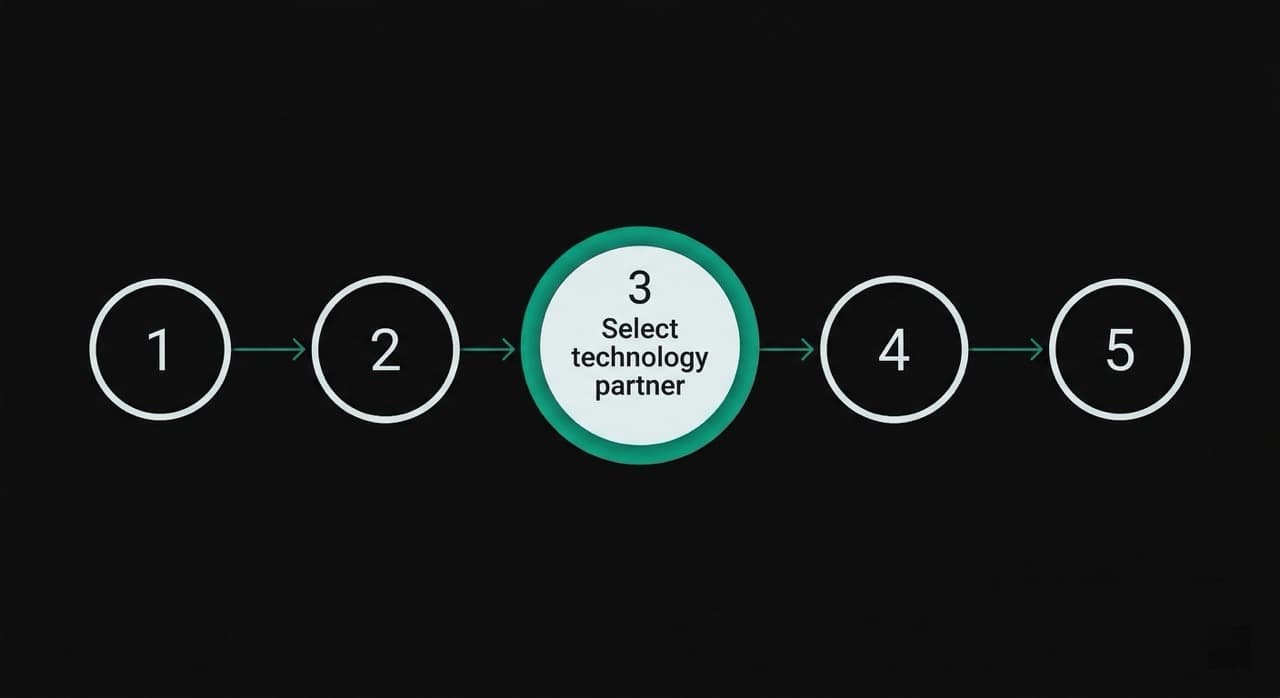
Five steps from waste cost to circular asset — most organisations can complete Steps 1–3 within a single fiscal quarter.
- Waste Carbon Footprint Audit. Before selecting any technology, commission a waste stream audit that quantifies volumes, composition (organic fraction, plastic fraction, hazardous components, heavy metal content), current disposal costs, and Scope 3 Category 5 emissions. This baseline is required for SBTi target-setting, CSRD reporting, and calculating ROI on alternative treatment.
- Set Science-Based Targets. Enrol in the Science Based Targets initiative (SBTi), where 10,000+ companies have now validated targets — 96% including Scope 3. Scope 3 Category 5 (waste in operations) must be explicitly addressed. PHANTOM deployment is a direct, verifiable pathway to hitting these targets.
- Select a Zero-Emission Treatment Partner with Verified Technology. Not all 'green waste' solutions are equivalent. The vendor must demonstrate: peer-reviewed scientific validation, verified dioxin-free output, regulatory compliance with BAT and IED 2024 standards, and transparent output quality specifications including heavy metal protocols for contaminated streams. Contact Phantom to schedule a technical site assessment to verify output protocols.
- Optimise Internal Processes and Feedstock Segregation. PHANTOM's output quality is maximised by source separation. Establish internal protocols to separate glass, metal, and stone (which cannot be processed) from organic and plastic streams. This step typically reduces actual waste volumes requiring treatment by 15–25%.
- Continuous Monitoring and Scope 3 Reporting. Integrate waste treatment data into your GHG accounting system. Under CSRD double-materiality, the comparison between your previous disposal emissions and current PHANTOM performance is a reportable disclosure. Carbon credits from verified methane avoidance and composting may be registerable under the voluntary carbon market, valued at approximately $187 per tonne for high-quality biochar and compost credits (Ecosystem Marketplace / MSCI 2024).
The Business Case — ROI, ESG Value, and the Hidden Cost of Inaction
Beyond landfill tax savings of £126+ (~$160+ USD)/tonne, PHANTOM-adopting facilities unlock: EU ETS carbon cost avoidance worth up to €149 (~$161 USD)/tonne by 2030; access to the €907 billion (~$980 billion USD) sustainability-linked loan market; ESG rating improvements from eliminating Scope 3 Category 5 emissions; and new revenue streams from sellable fertiliser, compost, and fuel output.
| Cost / Revenue Driver | Status Quo (per tonne) | With Phantom Hydrolysis | Net Impact |
|---|---|---|---|
| UK Landfill Tax (2025/26) | £126.15 (~$160 USD)/tonne + gate fee | £0 — eliminated on-site | ▲ £126+ (~$160+ USD) saved per tonne |
| US Landfill Tipping Fee | $62–90/ton average | $0 — on-site treatment | ▲ $62–90 saved per ton |
| EU ETS / Carbon Cost (2028+) | €65–149 (~$70–161 USD)/t CO₂ (forecast €149 (~$161 USD) by 2030) | Near-zero CO₂ output | ▲ Carbon liability eliminated |
| Liquid Fertiliser Output | Cost centre — waste transport cost | ~1.8t sellable fertiliser per 3t input | ▲ New revenue stream |
| Operational Cost | Incinerator: €15–60 (~$16–65 USD)/t OPEX | ~$33/cycle fuel & utilities; gasket replacement ~10 years | ▲ 60–80% lower OPEX |
| ESG / Green Finance Access | Restricted — incineration excluded from EU Taxonomy | Eligible for sustainability-linked loans; €907B (~$980B USD) market in 2024 | ▲ Lower cost of capital |
| Brand / Reputation Risk | Dioxin litigation; community opposition | Zero-emission, zero-odour on-site system | ▲ ESG rating uplift; CSR credibility |
If your facility's waste volumes appear in the £50k–£500k+ annual disposal cost bracket above, the economics of on-site treatment via the PHANTOM organic waste treatment machine are worth a detailed site assessment — we provide this at no cost.
The ESG Finance Multiplier
The global sustainable loan market reached €907 billion (~$980 billion USD) in 2024, up 17% year-on-year (BBVA CIB). Sustainability-linked loans price interest rates against agreed KPIs — including waste diversion rates, Scope 3 emissions reductions, and zero-waste certification targets. Beyond avoiding tax, the financial and environmental benefits of adopting PHANTOM extend to accessing this capital. A company that can demonstrate PHANTOM deployment as a verified Scope 3 waste reduction initiative qualifies for measurable interest rate benefits on facility financing. The TRUE Zero Waste certification (GBCI/Green Business Certification Inc.) — requiring minimum 90% landfill diversion — has been achieved by 200+ facilities globally, with average estimated combined savings of over $47.5 million per year across the certified project portfolio. For a complete seven-variable ROI framework — covering disposal savings, output revenue, labour savings, carbon avoidance, and ESG financing — see ROI of an Industrial Waste Processing Machine: A CFO's Guide.
Frequently Asked Questions
'Zero Waste to Landfill' means diverting at least 99% of waste away from burial — but this metric is frequently met by routing waste to incineration, which emits 2.9 tonnes of CO₂ per tonne of plastic burned and generates hazardous fly ash. 'Zero-Emission' requires that the treatment process itself produces negligible greenhouse gases, toxic by-products, or hazardous residues throughout the entire Scope 3 lifecycle. Under CSRD double-materiality reporting from 2025, this distinction is now material, auditable, and investor-facing. Phantom's subcritical water hydrolysis produces near-zero emissions at source, with CO₂ limited to the kerosene boiler only — and heat recovery systems reduce even this significantly.
Short-term, there are one-time capital and integration costs. Long-term, the economics strongly favour the transition. At UK landfill tax rates of £126.15 (~$160 USD)/tonne and US tipping fees of $62–90/ton, the avoided disposal cost alone typically delivers payback within a calculable period. This does not yet include EU ETS carbon cost avoidance from 2028 (forecast €149 (~$161 USD)/tonne by 2030), new revenue from sellable fertiliser and fuel outputs, sustainability-linked loan interest rate benefits, or avoided future regulatory fines. The IPCC estimates 20–30% of projected waste sector emissions could be abated at negative net cost. The risk of inaction — particularly for facilities facing EU ETS costs on existing incineration contracts from 2028 — is the more material financial exposure.
Yes, with an important caveat on output management. The hydrothermal process breaks down organic components of the sludge effectively. However, heavy metals (cadmium, lead, mercury, arsenic) are not destroyed by hydrolysis — they concentrate into the solid fraction rather than volatilising as they would in incineration. This is a meaningful safety advantage: the metals are immobilised and physically separated rather than dispersed as flue gas particulates. The solid fraction will require ICP-MS metals speciation testing before any land application consideration. Phantom specifies the appropriate post-treatment protocol for each waste stream during the site assessment process.
This requires a precise answer. Subcritical water at standard PHANTOM operating temperatures (\200–250°C) can begin degrading some PFAS compounds, but peer-reviewed literature indicates complete mineralisation of the most persistent PFAS congeners (PFOS, PFOA) typically requires temperatures above 300°C or specific catalysts. Phantom does not claim complete PFAS destruction at standard process parameters. If your waste stream has significant PFAS contamination, this must be disclosed during consultation so we can specify the correct configuration or pre-treatment step.
The EU's revised Industrial Emissions Directive (Directive 2024/1785) entered force August 2024 and mandates the strictest achievable emission limits under Best Available Techniques (BAT) for approximately 52,000 industrial facilities — with financial penalties up to 3% of annual EU turnover. Waste incinerators are entering the EU ETS from 2028, requiring surrender of carbon allowances. The UK Environment Act 2021 sets legally binding targets for near-elimination of biodegradable waste to landfill from 2028. The EU Taxonomy formally classifies incineration as harmful to the circular economy, excluding it from sustainable finance eligibility.
Heating water to subcritical conditions requires substantial thermal input due to water's high specific heat capacity. PHANTOM addresses this through integrated heat recovery: thermal energy from the processed outflow is transferred to the cold incoming feedstock stream via heat exchangers, recovering approximately 80–90% of the thermal energy input before supplemental kerosene boiler energy is applied. The sole remaining environmental burden is CO₂ from the boiler — fundamentally lower in both mass and toxic co-pollutant terms than the flue gases, fly ash, and dioxin outputs of equivalent incineration operations.
Conclusion — The Future of Industrial Waste Management Is Net-Zero
Three forces are converging with unusual clarity. First, regulation: the EU IED 2024, UK ETS inclusion of incineration from 2028, CSRD Scope 3 mandatory reporting, and landfill bans across 11 US states are systematically closing the economics of combustion and burial. Second, finance: the €907 billion (~$980 billion USD) sustainable loan market, EU Taxonomy green investment exclusions, and growing ESG scoring penalties for incineration reliance are repricing the cost of capital. Third, science: subcritical water hydrolysis is peer-reviewed, commercially proven, and positioned precisely at the intersection of regulatory compliance, circular economy output value, and zero dioxin chemistry.
⚡ Avery's Closing Principle — "Turning cost centres into revenue streams."
The PHANTOM system does not process your waste — it redefines it. What leaves your facility as a landfill tax liability re-enters the economy as liquid fertiliser, agricultural compost, and fuel feedstock. The regulatory window to make this transition cost-neutral is open now. It will close. Explore the subcritical water hydrolysis machine → or contact Phantom today for a free site assessment and waste economics analysis.
For manufacturers looking to act on these regulatory signals, the industrial waste treatment UK complete guide covers UK-specific compliance costs, EPR obligations, and Scope 3 reporting requirements in detail.
Key Sources & Citations: UNEP Global Waste Management Outlook 2024 · EU Directive 2024/1785 (IED Recast) · EU Directive 2018/850 (Landfill) · UK Environment Act 2021 · GOV.UK Landfill Tax Rates 2025/26 · WRAP UK Gate Fees Report 2024–25 · OBR Landfill Tax Data · EREF US Landfill Tipping Fee Study 2024 · BloombergNEF EU ETS Forecast 2030 · Zero Waste Europe — Incineration in the EU ETS (CE Delft, 2025) · Porta et al., BMC Environmental Health, 2009 · ACS Analytical Chemistry 2016 · MDPI Molecules 2021 · Catallo & Comeaux, Waste Management 2008 · Springer Journal of Polymers and Environment 2023 · SBTi Scope 3 Report 2024 · GBCI TRUE Certification Data · BBVA CIB Green Loan Market Report 2024 · Carbon Mapper Landfill Methane Study 2024 · California SB 253 · Science (Anglou et al.) September 2024 · IPCC AR6 (GWP₂₀ Methane) · MSCI Sustainable Impact Metrics 2024
⚠️ Disclaimer: The information in this article is for general informational purposes only and does not constitute legal, regulatory, financial, or engineering advice. System performance claims, cost projections, and regulatory compliance guidance are illustrative and based on operator-reported data and published sources. Actual results will vary based on waste composition, regional regulations, and equipment configuration. Always conduct independent testing and seek qualified professional advice before commencing commercial operations.