Article Series
TL;DR — Subcritical Water Hydrolysis Fertilizer
Subcritical water hydrolysis produces a nutrient-dense liquid output — rich in free amino acids, soluble nitrogen, phosphorus, and potassium — that functions as a direct-application organic fertilizer. PHANTOM's specification dilutes the liquid approximately 500× with seawater before field use — which is where the term "sea water fertilizer" originates.
Key facts:
- Free amino acids: up to 6.22 g/L | Organic acids: 9.22 g/L — comparable to commercial amino acid fertilizer products at £350–500/tonne (~$445–635/tonne)
- Nitrogen extraction: 60–82.6% from total feedstock N; up to 85–95% retention in PHANTOM's sealed vessel
- Peer-reviewed trials confirm improved fresh weight, chlorophyll, root development, and protein content vs untreated controls
- On-site production cost: ~£11–16/tonne (~$14–20/tonne) — versus £618/tonne (~$785/tonne) for synthetic urea (Q1 2026 AHDB)
- DEFRA UK FPR consultation closes 13 May 2026 — the first formal pathway to fertiliser product status for SWH-derived liquids
Subcritical water hydrolysis produces a nutrient-dense liquid output — rich in soluble nitrogen, phosphorus, potassium, and amino acids — that functions as a direct-application organic fertilizer. This article covers the nutrient profile, crop trial results, cost comparison, and current UK regulatory status. For the full economic model — including ROI modelling across livestock waste streams — see our guide to livestock manure to organic fertilizer with PHANTOM.
This article is part of the UK Farm Waste Disposal Costs series — covering disposal routes, NVZ compliance costs, and on-site treatment ROI for UK livestock and arable operations.
What Is the Liquid Output from Subcritical Water Hydrolysis?
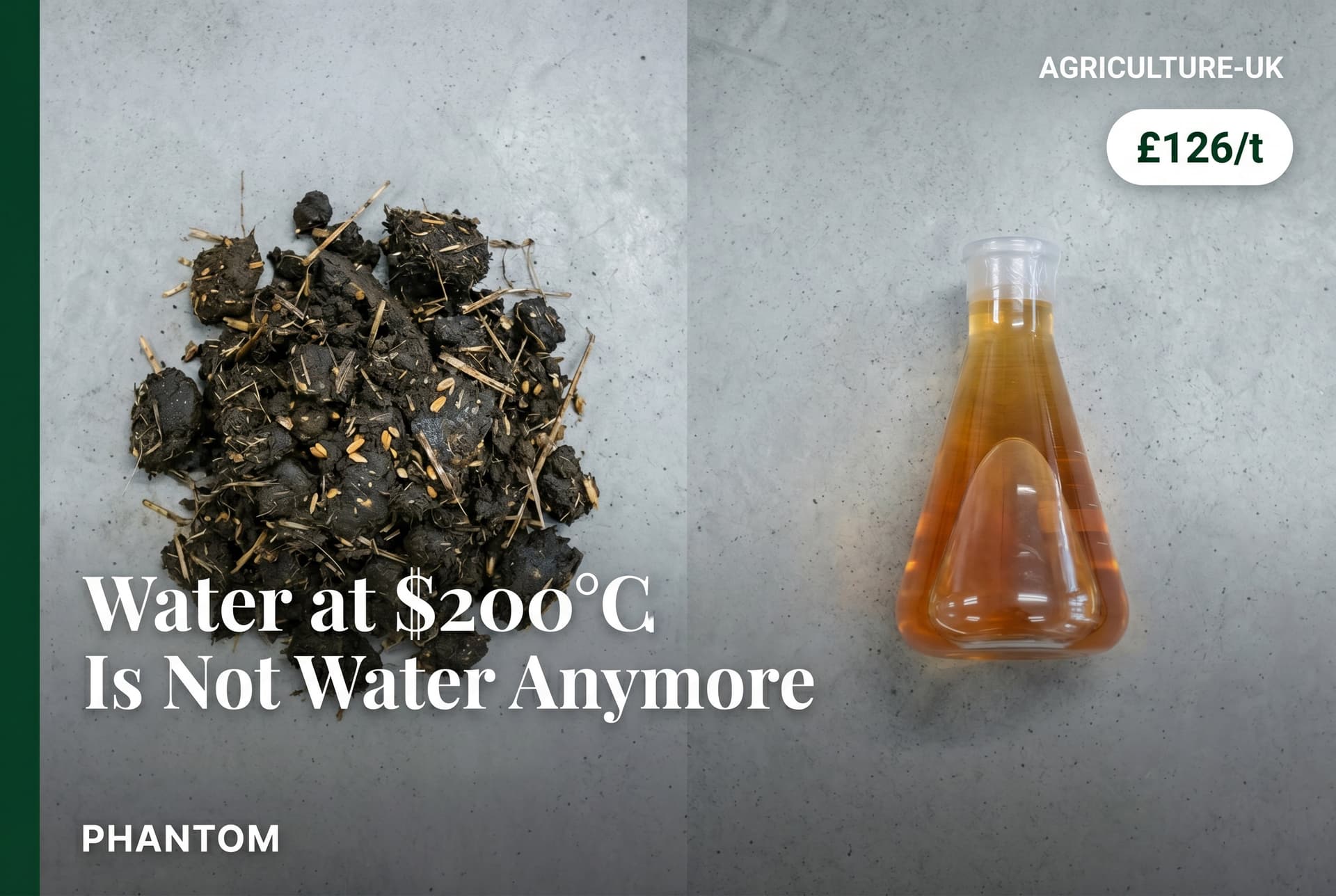
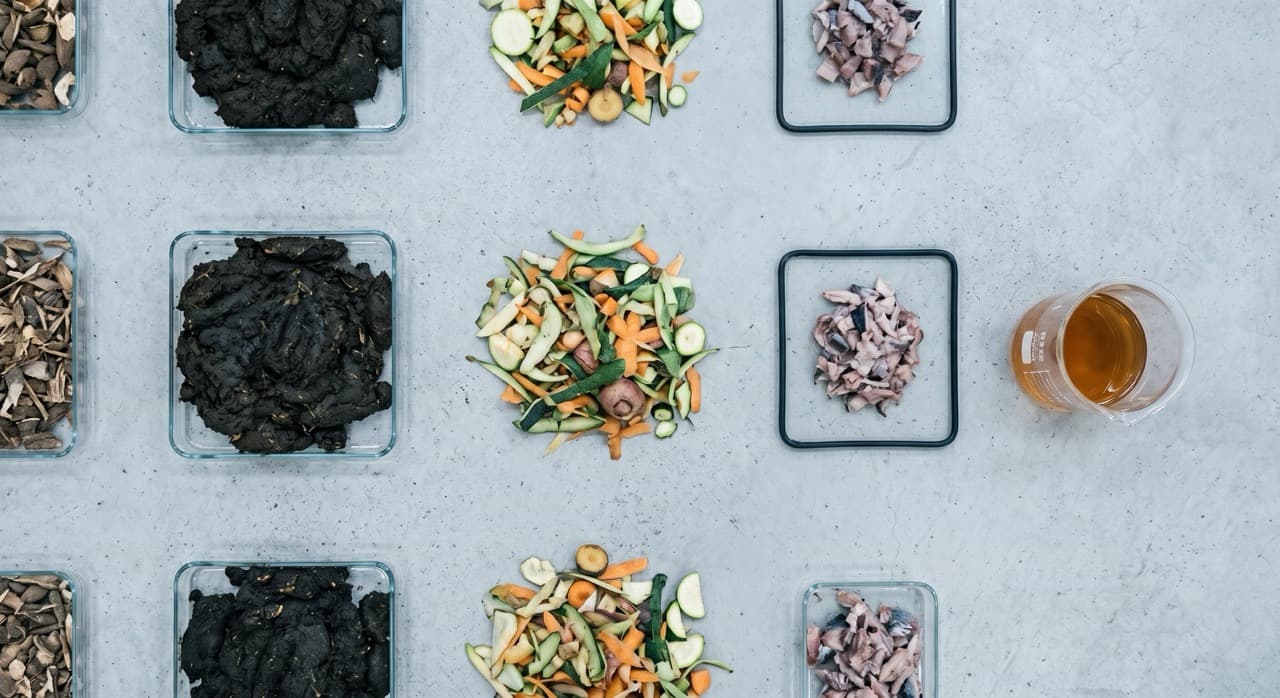
The liquid phase from subcritical water hydrolysis is a mineral-dense solution containing soluble nitrogen compounds, phosphorus, potassium, free amino acids, and bioactive organic molecules. It is not a by-product to discard — it is the primary agronomic output of the process.
Up to 6.22 g/L free amino acids and 9.22 g/L organic acids are released per cycle from protein-rich feedstocks — matching commercial amino acid liquid fertilizer products retailing at £350–500/tonne (~$445–635/tonne), produced at near-zero marginal cost from waste already undergoing processing.
- SWH uses heat (150–250°C) at subcritical pressure conditions to break organic molecules apart, releasing bound nutrients into the aqueous phase in plant-available form
- The liquid contains up to 6.22 g/L free amino acids and 9.22 g/L organic acids — directly plant-available nitrogen alongside soil microbiome stimulants
- No chemical solvents are used — the process qualifies as green chemistry under UK and EU classification frameworks
- The output is sterile: SWH operating conditions destroy pathogens, parasites, prions, and weed seeds in the same cycle that releases the nutrients
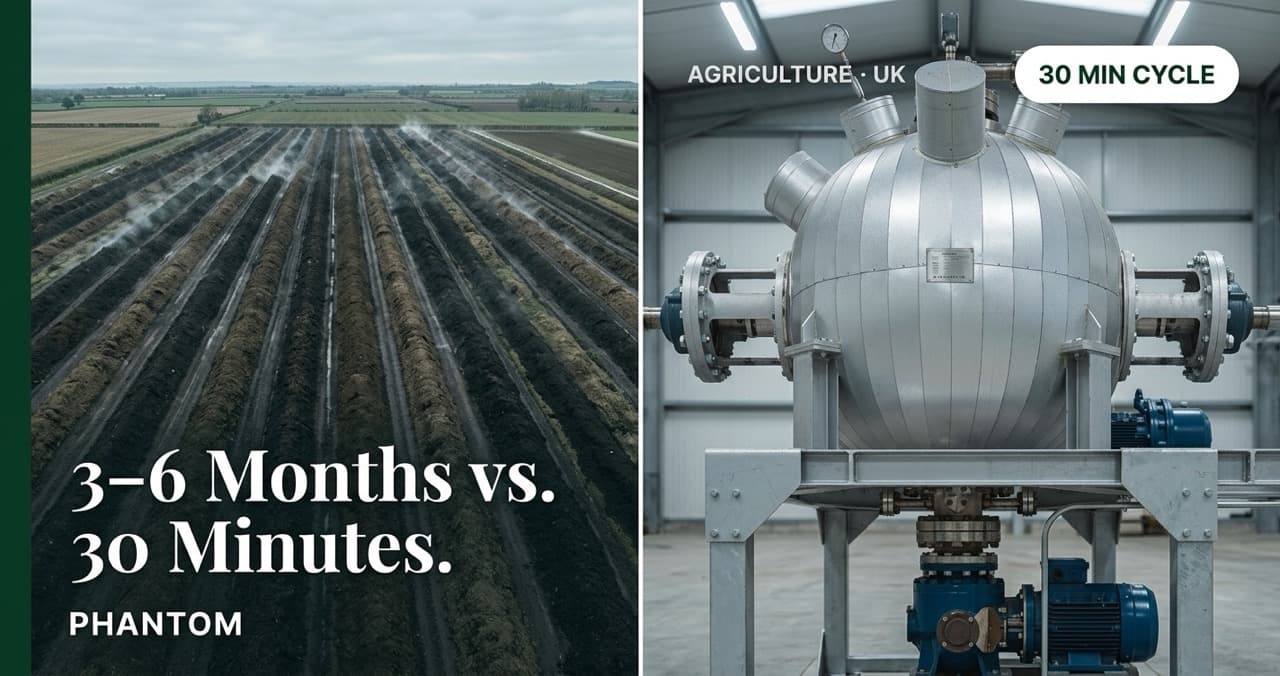
- Machine cycle: PHANTOM operates at 200–250°C, ~20–27 bar for approximately 30 minutes per cycle — the sealed vessel eliminates the ammonia volatilisation that destroys 30–60% of nitrogen during open composting
This applies when the feedstock is wet organic waste (livestock manure, food processing residue, abattoir waste) with ≥50% moisture content. It does NOT apply to dry mineral waste, construction rubble, or inert materials where no organic nutrient fraction exists.
A UK poultry integrator processing 10 tonnes of fresh broiler litter per cycle recovers 4,000–6,000 litres of nutrient-rich liquid per run — enough to fertilise 1–2 hectares per application at standard agronomic rates.
What Nitrogen, Phosphorus, and Potassium Levels Does SWH Liquid Contain?
Nitrogen extraction from wet organic biomass via SWH reaches 60–82.6% of total feedstock N under optimal conditions. In PHANTOM's sealed vessel system, nitrogen retention is approximately 85–95% — because the sealed process eliminates the ammonia volatilisation that destroys 30–60% of nitrogen during open-air composting.
Studies using chicken waste as feedstock recorded SWH liquid containing 34,200 mg/L nitrogen and 1,380 mg/L phosphorus — comparable nutrient density to diluted slurry, but fully sterile and without odour compliance constraints. Total primary nutrient yields of 82.6% were recorded at 180°C (BioResources, 2016).
- Studies using chicken waste as feedstock: SWH liquid contained 34,200 mg/L nitrogen and 1,380 mg/L phosphorus — comparable to diluted slurry, but without pathogen risk or odour compliance constraints
- Total primary nutrient yields of 82.6% recorded at 180°C, 1.5-hour reaction time (BioResources, 2016) — validated for the temperature and pressure range PHANTOM operates within
- PHANTOM retains approximately 85–95% N, 90–95% P, and 90–95% K in a sealed vessel operating at 200–250°C — versus 40–70% N retention in open composting
- Hydrolysed proteins in the liquid act as slow-release nitrogen: they break down gradually in soil, providing sustained plant uptake rather than a single flush that risks leaching into watercourses
- Soil biology benefit: unlike synthetic nitrogen, SWH liquid adds organic carbon and stimulates microbial activity — building soil health indicators that underpin future yield potential
This applies when feedstock is protein- and nutrient-rich (poultry litter, food processing waste, abattoir residue). It does NOT apply to feedstocks with high cellulosic content and low protein (e.g., straw-heavy bedding), where nitrogen recovery will be significantly lower.
An abattoir processing 500 kg of soft tissue waste per SWH cycle produces liquid containing an estimated 12–17 kg of soluble nitrogen — equivalent to roughly 60 kg of ammonium nitrate per run (~$37/run in avoided synthetic input cost) at standard field application rates.
What Do Crop Trials Show for SWH-Derived Liquid Fertilizer?
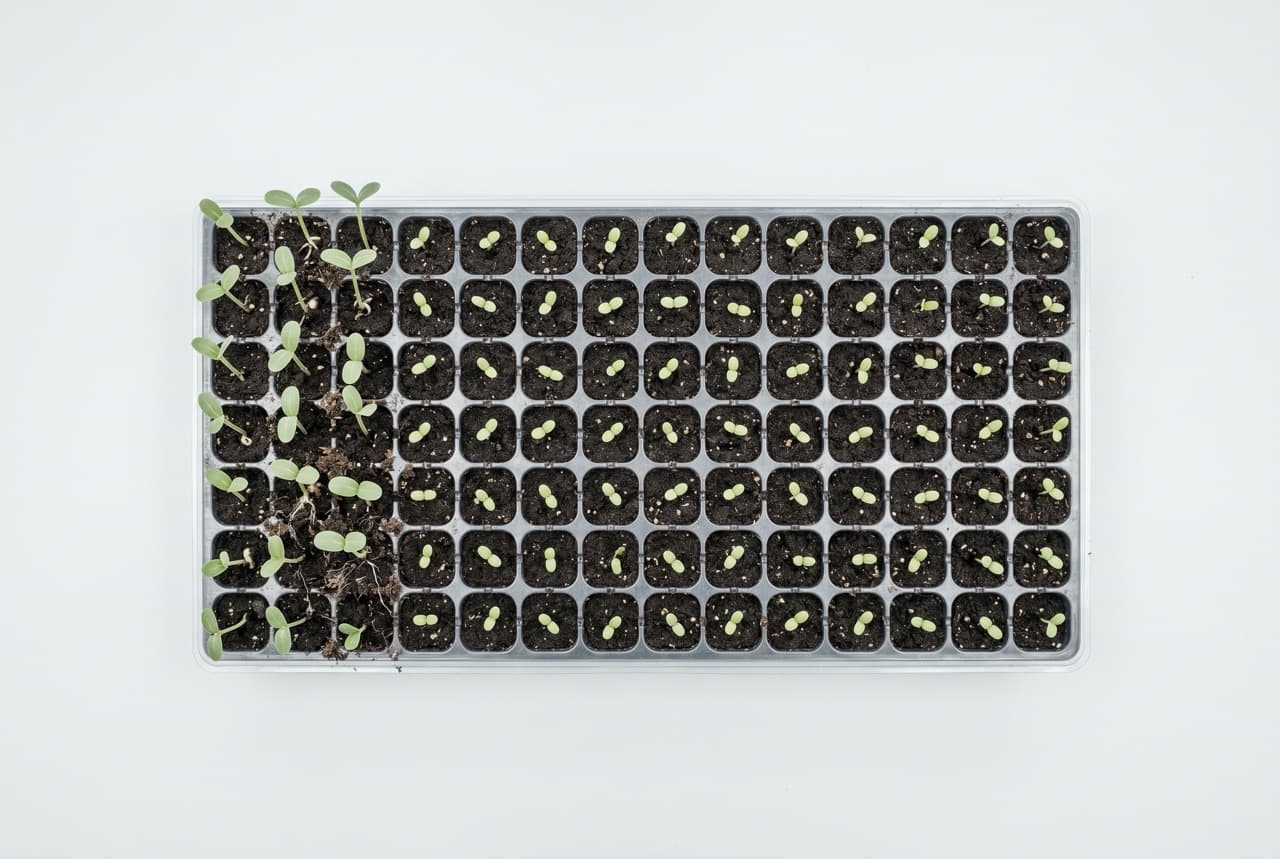
Published crop trials consistently show SWH liquid fertilizer performs on par with or better than control treatments — including water-only controls and commercial synthetic fertilizer comparisons — for root development, germination index, and above-ground biomass, when applied at appropriate dilutions.
In the January 2025 MDPI Plants study, lettuce seedlings irrigated with diluted SWH hydrolysate outperformed the seawater-irrigated control on root length and germination rate across all dilution trials from 1:10 to 1:100. A 2024 maize field trial showed enhanced disease resistance and improved soil nitrate-N accumulation. A wheat trial recorded a 15% increase in grain protein content versus untreated control — significant for milling wheat contracts priced on protein.
- Lettuce trial (MDPI Plants, January 2025): Hydrolysate from subcritical seawater treatment of buckwheat waste promoted lettuce growth versus untreated controls — measurable improvements in germination rate, root length, and leaf biomass at 14 days across all dilution rates tested
- Spinach trial (BioResources, 2016): Spinach irrigated with SWH liquid fertilizer grew better compared to control plants including those receiving commercial synthetic fertilizer — suggesting the amino acid fraction delivers a biostimulant effect beyond simple N supply
- Maize field trial (ScienceDirect, 2024): Application of hydrothermal liquid (6.22 g/L amino acids, 9.22 g/L organic acids) enhanced disease resistance in maize and increased nitrate-N accumulation in the soil — improving the nitrogen pool available to follow-on crops
- Wheat protein response (Journal of Plant Nutrition and Soil Science, 2024): Amino acid liquid fertiliser application produced a 15% increase in grain protein content vs untreated control — significant for premium milling wheat contracts priced on protein
- Dilution protocol: PHANTOM's specification states the liquid output should be diluted approximately 500 times with seawater (80% seawater composition) before field application. This high dilution ratio reflects the exceptional nutrient concentration of the undiluted liquid — it is a measure of potency, not a drawback
- Germination index and root activity: Both improved with appropriately diluted SWH liquid in published academic trials — full-concentration liquid suppresses germination due to osmotic stress, confirming the dilution step is essential
This applies when the liquid is diluted to the appropriate agronomic rate before field or greenhouse application. It does NOT apply at full concentration, which causes osmotic stress and reduces germination rates in seedlings.
In the January 2025 MDPI study, lettuce seedlings irrigated with diluted buckwheat SWH hydrolysate outperformed the seawater-irrigated control on root length and germination rate at 1:50 dilution — translating directly to standard agricultural rates achievable with any farm sprayer or irrigation feed system already on-site.
For operators managing slurry compliance costs and NVZ spreading restrictions alongside fertilizer procurement, the comparison is sharper still — see our UK farm slurry disposal vs on-site treatment NVZ ROI guide for the full numbers.
How Does SWH Liquid Fertilizer Compare to Synthetic Alternatives on Cost?
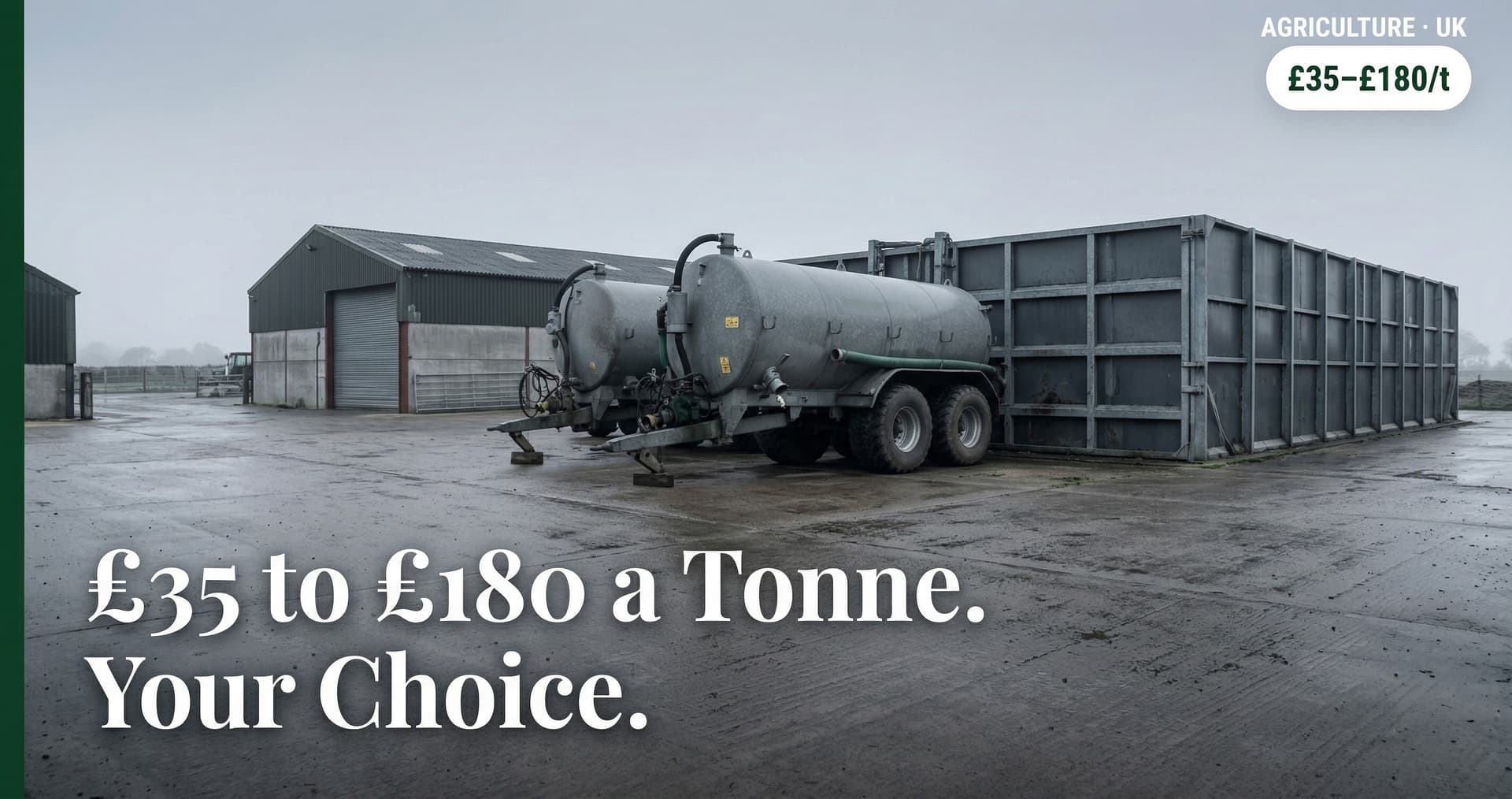
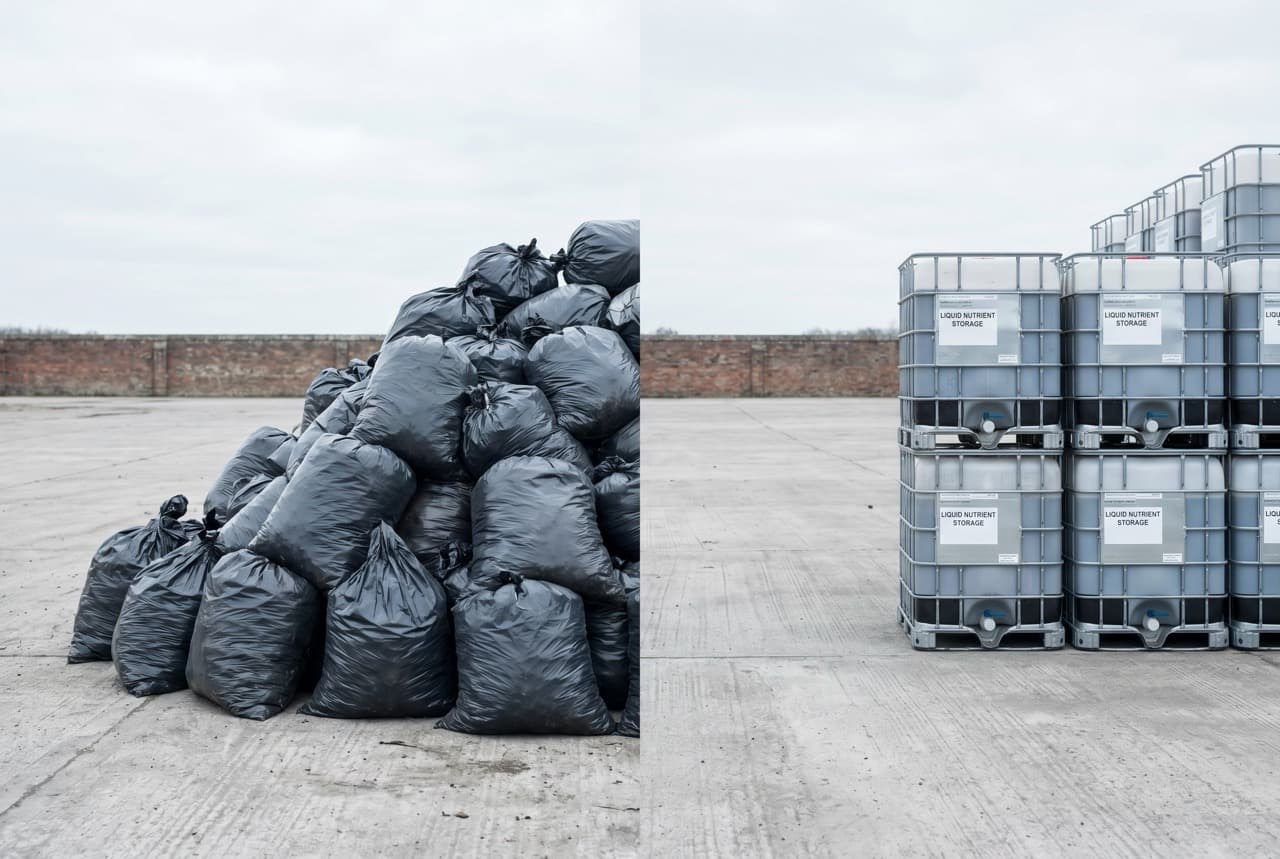
Synthetic fertilizer costs have surged further into 2026 due to Middle East supply chain tensions and rising gas prices. Granular urea is now trading at approximately £618/tonne (~$785/tonne) in the UK (Q1 2026 AHDB). SWH liquid fertilizer produced on-site from waste costs approximately £11–16/tonne (~$14–20/tonne) to produce — from feedstock operators would otherwise pay £35–180/tonne to remove.
A farm paying £80/tonne (~$102/tonne) for litter disposal and £522/tonne (~$663/tonne) for ammonium nitrate generates a combined cost swing of £602/tonne (~$764/tonne) of feedstock treated when it installs on-site SWH. At Q1 2026 prices, this is a 13% larger saving than the same calculation at 2025 prices.
- Urea (46% N): ~£618/tonne (~$785/tonne) Q1 2026, AHDB — up sharply from 2025 levels, driven by Middle East supply disruption and elevated European gas prices
- Ammonium nitrate (34.5% N): £504–522/tonne (~$640–663/tonne) Q1 2026, AHDB — prices accelerated in March–April 2026 beyond post-2022 elevated baselines
- Commercial amino acid fertiliser: £350–500/tonne (~$445–635/tonne) — the premium end of the organic input market, with amino acid concentrations comparable to SWH liquid output
- On-site SWH liquid: ~£11–16/tonne (~$14–20/tonne) operating cost — zero fertilizer purchase cost, zero haulage disposal cost
- Landfill tax: £126.15/tonne (~$160/tonne) from April 2025 — every tonne of organic waste sent to landfill costs this before gate fees and haulage
This applies to farms with continuous organic waste output (poultry, pig, food processing) generating at least 2–5 tonnes of wet waste per week. It does NOT apply to smallholdings or sporadic-output operations where capital payback periods extend beyond 7–8 years.
A 50,000-bird broiler unit generating 2 tonnes of litter per week: disposal cost ~£8,320/year (~$10,566/year). SWH-converted liquid fertilizer value at Q1 2026 AN prices: estimated £18,000–£24,000/year in synthetic fertilizer displacement. Net annual improvement before capital amortisation: £26,000–£32,000 (~$33,000–$41,000).
| Input Source | Cost/Tonne | Amino Acids | Pathogen-Free? | Cycle Time | On-Site? |
|---|---|---|---|---|---|
| Synthetic Urea (46% N) | £618/t (~$785/t) | None | Yes (synthetic) | Immediate | No |
| Ammonium Nitrate (34.5% N) | £504–522/t (~$640–663/t) | None | Yes (synthetic) | Immediate | No |
| Commercial Amino Acid Fertiliser | £350–500/t (~$445–635/t) | High | Yes | Immediate | No |
| AD Digestate (liquid, own unit) | £0–15/t | Low | Partial | 20–40 days | Yes (high capital) |
| Compost Tea / Liquid | £25–60/t processing | Low–moderate | No | 8–12 weeks | Yes (slow) |
| PHANTOM SWH Liquid | ~£11–16/t (~$14–20/t) | Up to 6.22 g/L | Yes — sterile | ~30 min | Yes |
Sources: BioResources (2016), AHDB market data Q1 2026, DEFRA UK FPR consultation (2026), WRAP Gate Fees Report 2024–25. Conversion rate: ~1.27 USD/GBP.
Is SWH Liquid Fertilizer Legal to Apply to UK Farmland? Regulatory Status 2026
SWH-derived liquid fertilizer currently sits in a regulatory gap — it is neither classified as controlled waste nor formally registered as a fertilizing product under existing UK law. DEFRA's proposed UK Fertilising Product Regulations (UK FPR), with a public consultation closing 13 May 2026, is the first framework explicitly designed to include novel products like SWH-derived liquids.
Current pathway (England): operators applying SWH liquid to agricultural land typically need a registered Environment Agency T28 waste exemption before spreading begins. Under the proposed UK FPR — once finalised — the same product may qualify for formal fertiliser product status, enabling commercial sale of surplus liquid output to neighbouring farms.
- UK FPR (proposed): Will extend regulated product categories to include organic waste-derived liquids, biostimulants, recycled-nutrient products, and seaweed extracts — giving SWH-derived liquid a formal pathway to fertiliser product status and commercial labelling rights
- Current pathway (England): Operators applying SWH liquid to agricultural land typically need a registered Environment Agency T28 waste exemption before any spreading activity begins
- Labelling gap: No compositional, efficacy, or labelling requirements currently apply to SWH-derived liquids — operators may apply the liquid, but cannot legally market or sell it as a "fertiliser product" under the existing Fertilisers Regulations 1991
- DEFRA stated objective: The UK FPR reform is designed to smooth the route to market for newer and novel fertilising products which are less polluting and less resource-intensive — language that directly describes SWH outputs
- NVZ compliance: In Nitrate Vulnerable Zones, the nitrogen content of SWH liquid must be accounted for within the farm's annual N budget and spreading records. The 170 kg N/ha/year cap, closed spreading periods (October 1 – April 1 for liquid organic manures in England), and 10-metre buffer zones from surface water all apply
- Record keeping: All fertiliser applications must be logged for a minimum of 5 years under NVZ Action Programme requirements — keep batch records from each SWH processing run
This applies to operators in England, Scotland, and Wales. It does NOT apply to Northern Ireland, which follows a different post-Brexit regulatory framework for fertilising products.
An East Anglian poultry integrator applying SWH liquid to arable land in an NVZ today needs an EA T28 exemption registered before spreading begins. Under UK FPR — once finalised — that same product may qualify for formal fertiliser product status, removing the labelling restriction and enabling commercial sale of surplus liquid output to neighbouring farms.
To understand the full compliance and permitting landscape for on-site waste treatment, see our guide to generator responsibility and industrial waste treatment permits in the UK.
The Dual Cost Problem Hiding on Every Livestock Farm
You now know what SWH liquid fertilizer contains and what the crop data shows. The harder question is why so few farms are producing it. The answer isn't agronomic — it's structural. Most farms have no technology capable of running a commercial-scale SWH cycle. Slurry goes off-site. Litter goes to a contractor. The farm pays twice: once for disposal, once for the synthetic fertilizer that goes into the ground instead.
That's the root cause: no on-site conversion infrastructure. Composting takes 8–12 weeks and produces solid output only. Anaerobic digestion requires capital-intensive feedstock management and produces digestate with restricted NVZ spreading windows. Neither produces a pathogen-free liquid fraction ready for fertigation in 30 minutes.
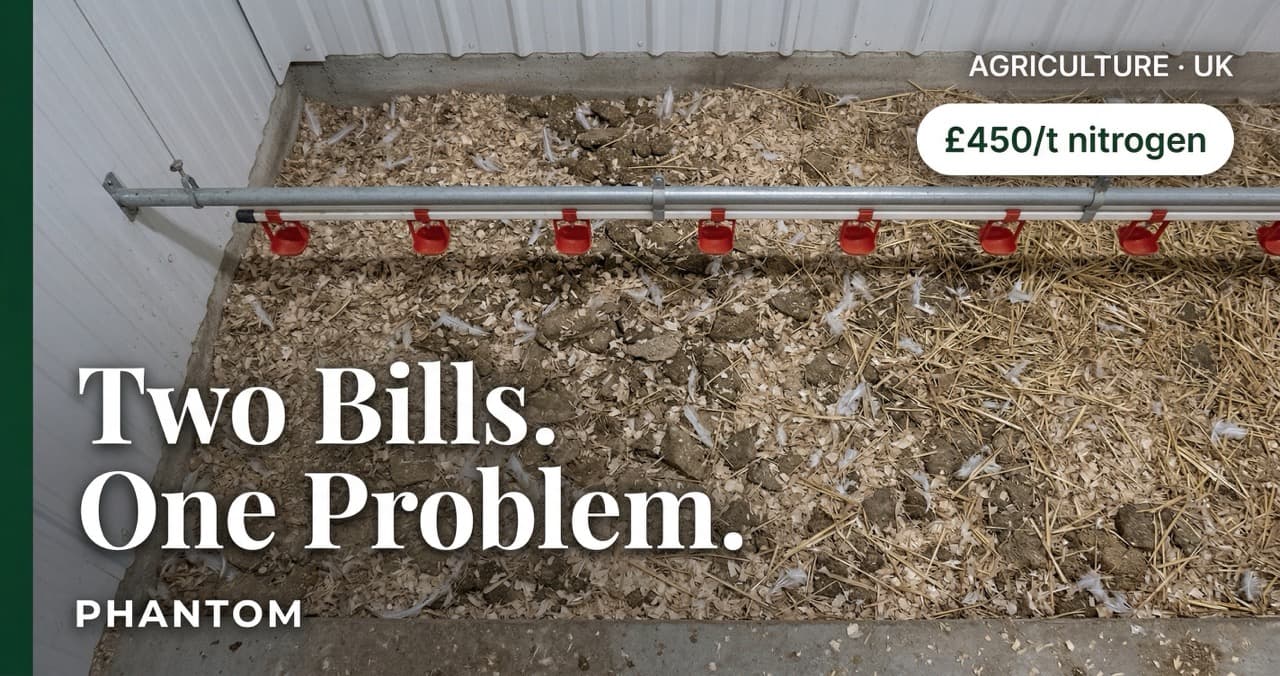
UK ammonium nitrate cost £50 per tonne (~$63/tonne) more in 2025 than the year before — with no corresponding increase in output prices to absorb it. Every tonne of nitrogen purchased at £400+ is a cost that grows by default while the organic waste stream already on-site, currently generating disposal costs at £126+ per tonne in landfill tax alone, contains the same input potential sitting untapped.
PHANTOM's Subcritical Water Hydrolysis system operates at 200–250°C, ~20–27 bar, completing a full processing cycle in approximately 30 minutes. It outputs a sterile solid residue and a nutrient-rich liquid fraction — on-site, without haulage, without third-party contractors. If you want to understand whether your specific waste stream and farm scale justify the capital investment, request a free feasibility assessment from PHANTOM's team.
Frequently Asked Questions
The liquid output contains up to 6.22 g/L free amino acids, 9.22 g/L organic acids, soluble nitrogen (free amino acids and ammonium ions), bioavailable phosphorus, and potassium from both the process water and feedstock — plus phenolics acting as plant biostimulants. A single PHANTOM cycle from nitrogen-dense feedstock produces liquid containing over 30,000 mg/L of soluble nitrogen — more than enough to substitute commercially purchased liquid fertilizer at field scale.
Published trials consistently show SWH liquid fertilizer performs on par with or better than controls. MDPI Plants (January 2025): hydrolysate promoted lettuce growth with measurable improvements in germination rate and leaf biomass at 14 days. BioResources (2016): spinach grew better compared to control plants including those receiving commercial synthetic fertilizer. A 2024 maize field trial showed enhanced disease resistance and improved soil nitrogen pools. A wheat trial recorded a 15% increase in grain protein content versus untreated control.
Granular urea trades at approximately £618/tonne (~$785/tonne) in the UK (Q1 2026 AHDB). Ammonium nitrate at £504–522/tonne (~$640–663/tonne). SWH liquid fertilizer produced on-site from waste costs approximately £11–16/tonne (~$14–20/tonne) to produce in energy and consumables — from feedstock operators would otherwise pay £35–180/tonne to remove. A farm paying £80/tonne for litter disposal and £522/tonne for AN generates a combined cost swing of £602/tonne of feedstock treated.
SWH-derived liquid currently sits in a regulatory gap — neither classified as controlled waste nor formally registered as a fertilizing product. DEFRA's proposed UK Fertilising Product Regulations (UK FPR), with a public consultation closing 13 May 2026, is the first framework explicitly designed to include SWH-derived liquids. Current pathway in England: operators applying SWH liquid to agricultural land typically need a registered Environment Agency T28 waste exemption before spreading begins. NVZ rules (170 kg N/ha cap, closed spreading periods October 1 – April 1) apply in designated zones.
PHANTOM's technical specification states the liquid output should be diluted approximately 500 times with seawater (80% seawater composition) before field application. This extremely high dilution ratio reflects the exceptional nutrient concentration of the undiluted liquid — at 500× dilution the result is roughly 60 mg/L N, a concentration at which amino acid-rich liquids show measurably faster root development than equivalent synthetic N applications in published crop trials.
Sources: BioResources (NPK extraction efficiency, 82.6% at 180°C, free amino acid and organic acid concentrations); MDPI Plants, January 2025 (lettuce germination, root activity, leaf biomass trials); ScienceDirect 2024 (maize disease resistance and soil nitrate-N accumulation); Journal of Plant Nutrition and Soil Science 2024 (wheat grain protein response); WRAP Gate Fees Report 2024–25; GOV.UK Landfill Tax rates effective April 2026; AHDB fertilizer market data Q1 2026; DEFRA Fertilising Products Regulations consultation 2026.
Figures are for informational purposes only and do not constitute legal, financial, or procurement advice. Conversion rate: ~1.27 USD/GBP at time of publication.