Farm & Food Comparison
PHANTOM vs Anaerobic Digestion: 30 Minutes vs 20–40 Days
AD is proven technology for the right waste in the right conditions. But it rejects contaminated streams, requires vast infrastructure, and takes weeks. PHANTOM is built for the waste AD cannot handle.
30 min
PHANTOM Cycle Time
vs 20–40 days for AD
Zero
Infrastructure Required
Installs in existing facility space
Yes
Contaminated Streams Handled
Antibiotics, pathogens, mixed waste
~£1.37M
Capital Cost
vs £500k–5M+ for AD facility
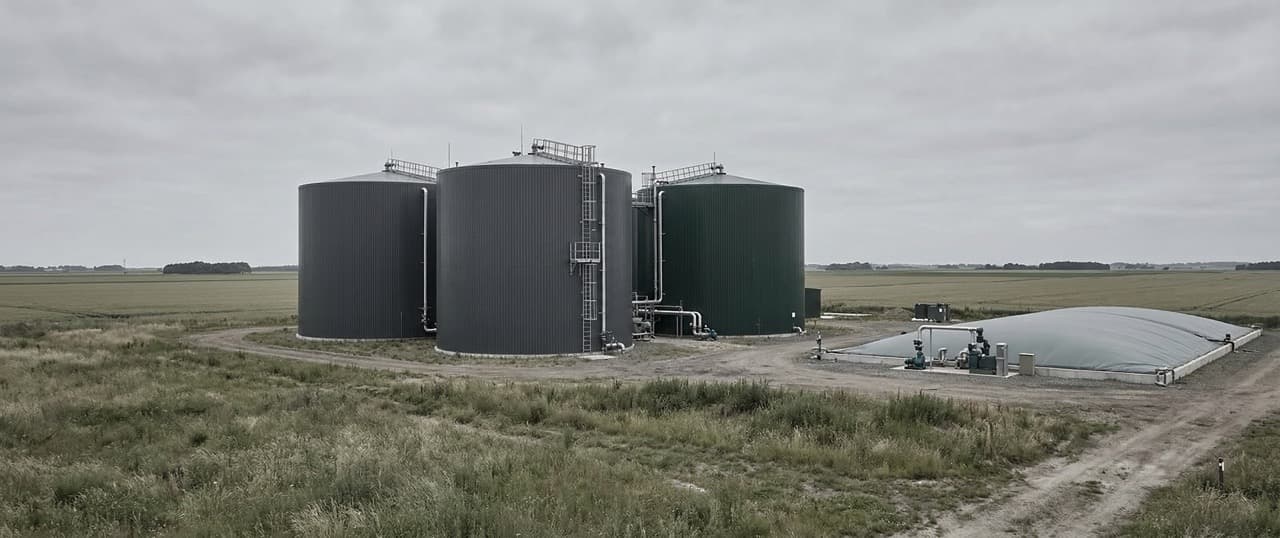
When AD Is the Better Choice
Anaerobic digestion is well-proven at scale for specific waste streams. AD is right when:
- Very large volumes (200+ t/day) of clean source-separated food waste
- Consistent, uncontaminated, low-protein/lipid stream
- Renewable energy (biogas) is primary output objective
- Municipality or regional authority with infrastructure budget
- Site has land for digesters and digestate lagoons
For most farm operators and food processors — particularly those with mixed, contaminated, or antibiotic-treated streams — the constraints below explain why AD is not the practical solution PHANTOM is.
Head-to-Head
PHANTOM vs Anaerobic Digestion
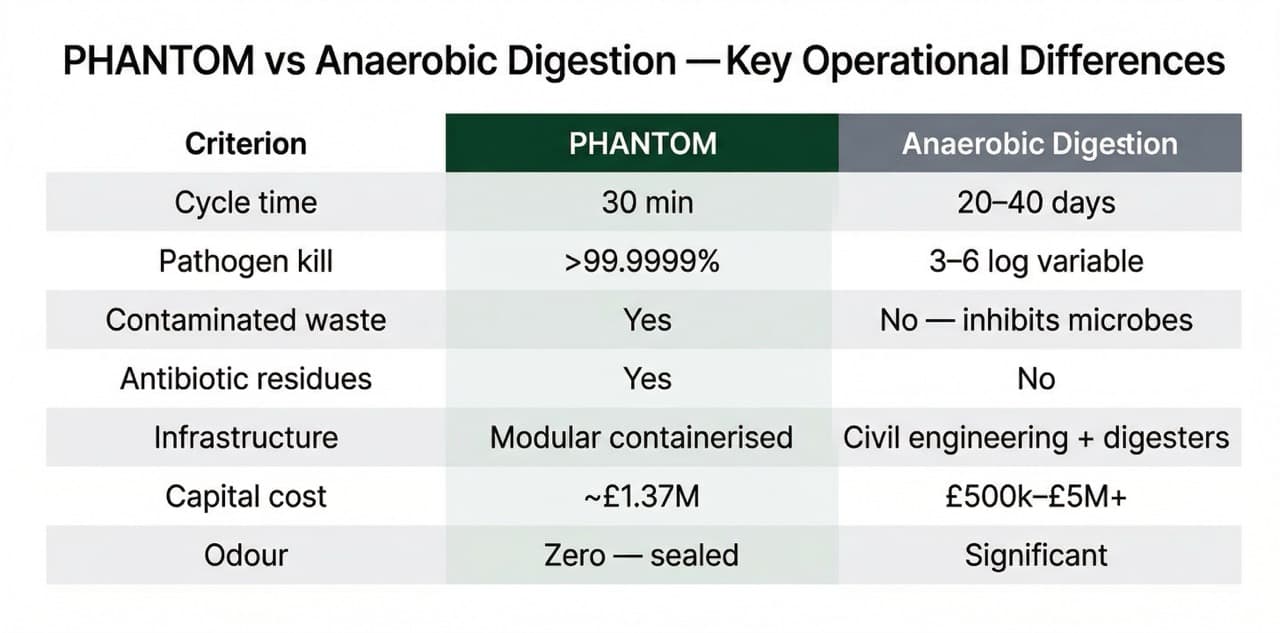
The seven criteria that determine which technology fits your waste stream.
| Criterion | PHANTOM | Anaerobic Digestion |
|---|---|---|
| Retention / cycle time | 30–35 minutes | 20–40 days |
| Processing temperature | 200–250°C | 35–55°C (mesophilic/thermophilic) |
| Pathogen sterilisation | >99.9999% (6-log) — complete | Variable — thermophilic AD achieves 3–6 log reduction |
| Contaminated waste handled | Yes — antibiotics, pathogens, mixed streams | No — inhibits or kills microbial community |
| Mixed waste streams | Yes — organic, plastic, medical, agricultural | No — source-separated organics only |
| Prion-risk material | ✅ SWH destroys prion proteins | ❌ Not suitable |
| Solid output | Sterile inert residue — compost pathway for clean organic inputs | Digestate — must be stored, managed, land-spread |
| Liquid output | Sterile nutrient-rich liquid — fertiliser route for clean organic inputs | Liquid digestate — storage and spreading required |
| Gas output | None | Biogas (methane + CO₂) — energy value |
| Odour | Zero — sealed system | Significant — digesters and digestate handling |
| Infrastructure | Modular, containerised — existing space | Civil engineering, digesters, gas handling, digestate lagoons |
| Land area | ~5m × 7m (3t unit) | Hectares for commercial facility |
| Capital cost | ~£1.37M (3t model) | £500,000–£5M+ commercial AD |
| Permitting complexity | Low | High — gas storage, digestate land-spreading, EA permit |
| Suitable for small operators | Yes — 0.5t model for small farms | No — AD only economical at scale |
Stream Compatibility
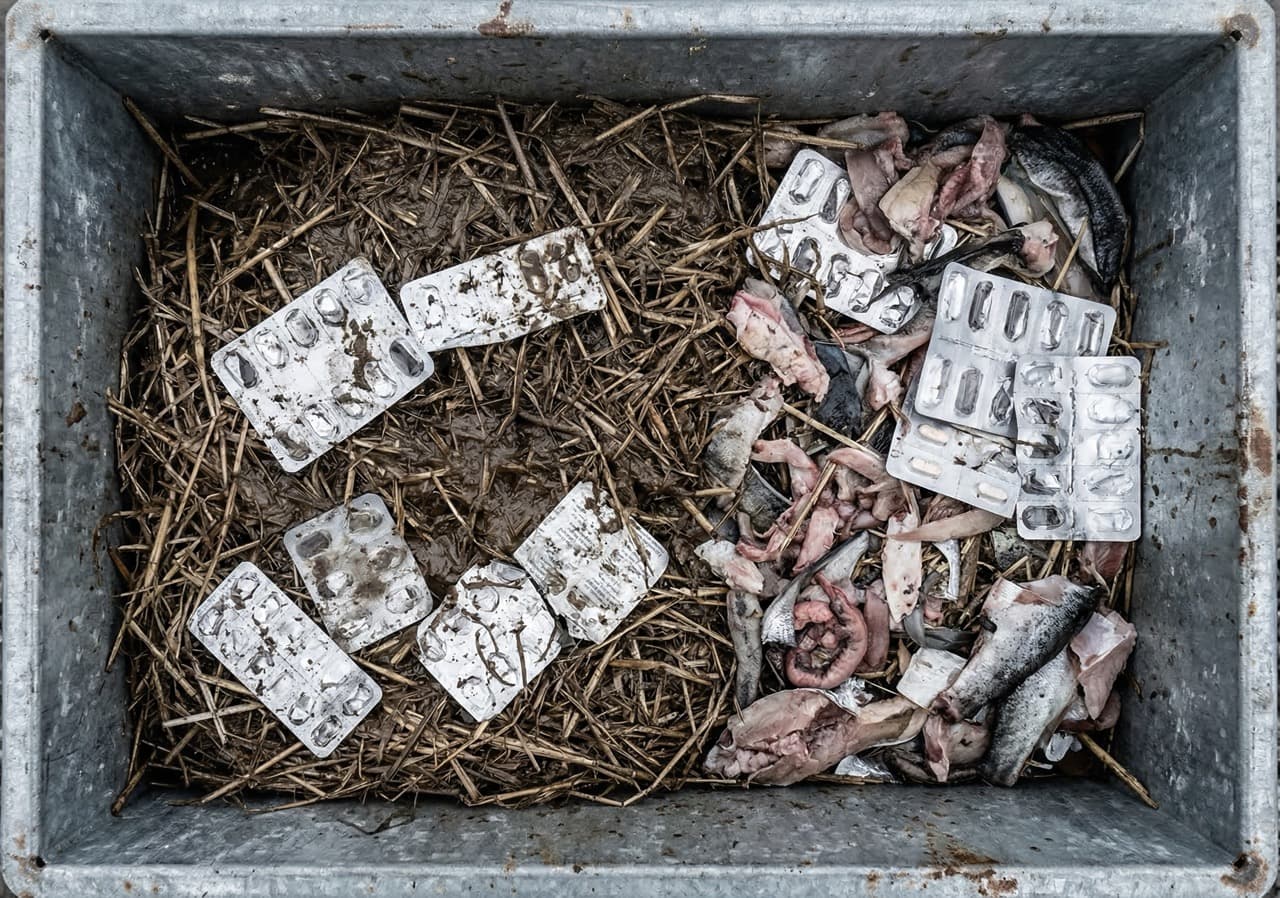
Where PHANTOM Handles What AD Cannot
| Waste Type | PHANTOM | Anaerobic Digestion |
|---|---|---|
| Food waste (clean, source-separated) | ✅ | ✅ AD's best use case |
| Food waste (contaminated, mixed packaging) | ✅ | ❌ Packaging must be removed |
| Livestock manure (cattle, pig, poultry) | ✅ | ✅ High biogas yield |
| Poultry litter (bedding + manure) | ✅ | ⚠️ High ammonia inhibits AD |
| Antibiotic residues in manure | ✅ | ❌ Kills microbial community |
| Fish / shellfish waste | ✅ | ⚠️ High-protein streams inhibit AD |
| Slaughterhouse by-products (Cat. 3) | ✅ | ⚠️ ABP regulations restrict AD |
| Medical / clinical waste | ✅ | ❌ Not suitable |
| Mixed plastic (food trays, PET) | ✅ (volume reduction) | ❌ Not suitable |
| Sewage sludge | ⚠️ case-dependent | ✅ AD's historic primary use case |
Agriculture
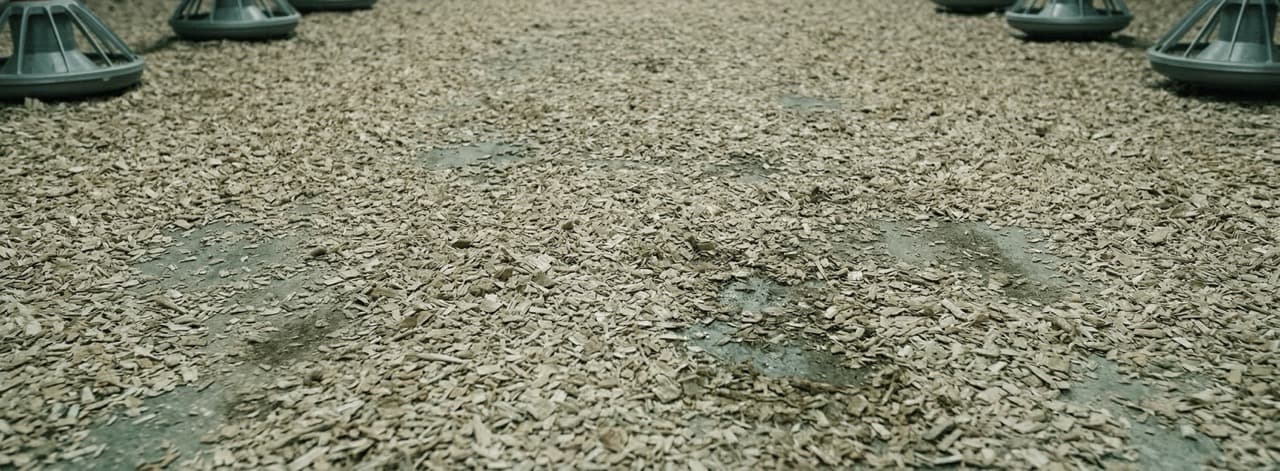
Poultry, Pig, and Intensive Livestock Operations
High-ammonia poultry litter, antibiotic-treated manure, and mixed slurry are exactly the streams that inhibit AD microbial communities. PHANTOM has no microbial community to protect — it processes these streams at full capacity, converting them into pathogen-free sterile residue and nutrient-rich liquid in about 30 minutes per batch.
For NVZ-compliant operations, subcritical hydrolysis of slurry also reduces the nitrogen loading in the treated liquid versus raw slurry application. See the UK farm NVZ compliance guide.
For a 50,000-bird poultry operation generating 500 kg of litter per day, PHANTOM's 0.5t model handles the entire daily output. The output eliminates both disposal costs and a portion of bought-in fertiliser costs. Output from clean livestock inputs can pursue compost or liquid fertiliser end-of-waste pathways after PAS 110 / EA Quality Protocol assessment.
Frequently Asked Questions
Why can't anaerobic digestion handle antibiotic-residue or contaminated waste?▾
AD relies on a living microbial community. Antibiotics kill or inhibit those microbes. Similarly, high-ammonia streams (poultry litter), mixed industrial waste, and pathogenic material disrupt the microbial process — making AD unreliable for these streams. PHANTOM uses pressurised water at 200–250°C with no biological components and is entirely unaffected by antibiotics, pathogens, or contamination.
Can PHANTOM be used alongside an existing AD system?▾
Yes. PHANTOM works as a pre-treatment or overflow system for contaminated, pathogenic, or high-protein streams that AD cannot handle, while AD processes the clean, low-protein organic fraction. Many food processors and farms use this combination approach.
What is the capital cost difference between PHANTOM and a commercial AD facility?▾
A commercial AD facility costs £500,000–£5M+ in civil engineering, digesters, gas handling, and digestate management infrastructure. PHANTOM's 3-tonne unit is approximately £1.37M (~$1.75M), modular, and installs in an existing facility footprint with no civil engineering or gas handling requirements.
Does PHANTOM produce biogas like AD?▾
No. PHANTOM does not produce biogas. AD's primary output is methane (biogas) with energy value. PHANTOM's primary outputs are sterile solid residue and nutrient-rich liquid. If renewable energy generation is the primary objective, AD may be preferable for clean, consistent waste streams. If waste treatment reliability, contaminated stream handling, and processing speed are priorities, PHANTOM outperforms AD.
Also Comparing
Not Sure Which Is Right for Your Farm or Facility?
Our team will assess your waste stream, contamination profile, and throughput — and recommend the optimal solution. Free assessment, within 5 business days.
Waste stream compatibility is indicative. Specific contamination levels, ABP regulations, and NVZ requirements must be assessed individually. Figures for informational purposes only and do not constitute financial or procurement advice. ~1.27 USD/GBP.