Organic Waste Comparison
PHANTOM vs Composting: When 30 Minutes Beats 6 Months
Composting works — for the right waste, with the right space, and enough time. For most facility operators, none of those conditions exist on-site. PHANTOM closes every gap.
~30 min
Cycle Time
vs 3–6 months composting
5m×7m
Footprint Required
vs 0.5+ hectares windrow
Zero
Odour Produced
Fully sealed pressure vessel
>99.9999%
Pathogen Kill Rate
Composting cannot guarantee this
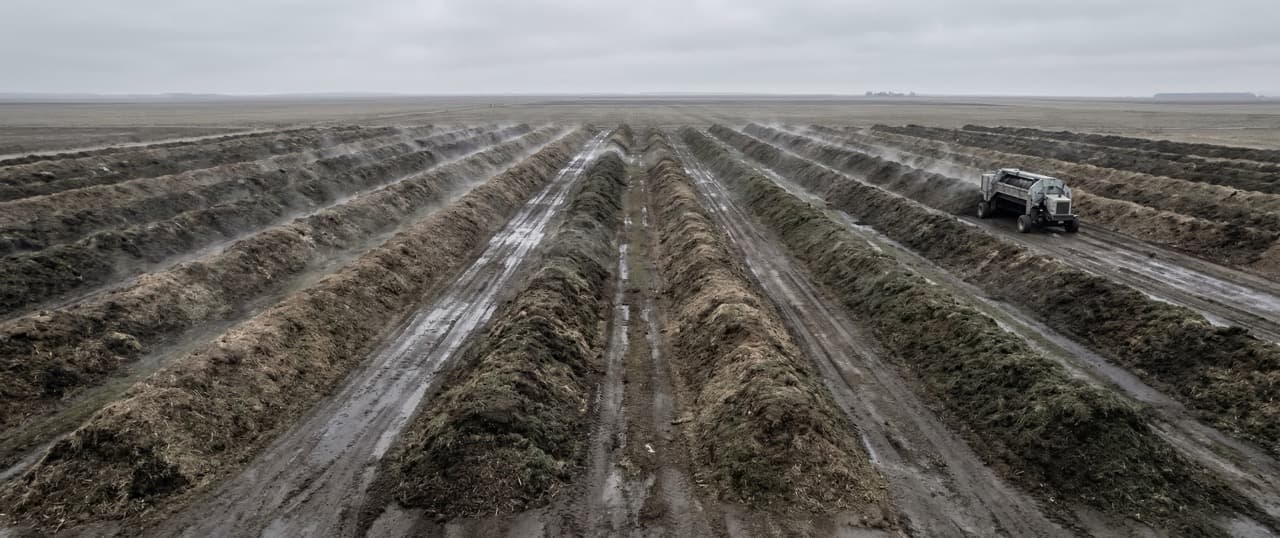
When Composting Is the Right Choice
- 0.5+ hectares available
- Clean source-separated organics
- 6 months' processing time acceptable
- No pathogen concern
- No urban neighbours within 500m
- No food safety certification required
For urban operators, food processors, healthcare settings, and anyone with mixed, pathogenic, or plastic-contaminated streams, composting is not a practical on-site option. That is what this comparison covers.
Head-to-Head
PHANTOM vs Open Composting
Operational realities that determine which works for your facility.
| Criterion | PHANTOM | Open Composting |
|---|---|---|
| Processing time | 30–35 min per batch | 3–6 months |
| Land required | ~5m × 7m (3t unit) | 0.5+ hectares commercial |
| Indoor installation | ✅ Sealed system | ❌ Requires open-air windrow or covered bay |
| Odour | Zero — sealed pressure vessel | Significant — ammonia, H₂S |
| Pathogenic waste | ✅ Full sterilisation >99.9999% | ❌ Not suitable — pathogens survive |
| Mixed / contaminated streams | ✅ Organic + plastics handled | ❌ Source-separated only |
| Output quality | Consistent — sterile, reproducible | Variable — weather and management dependent |
| Output timing | Immediate — per cycle | 90–180 days |
| Volume reduction | ~60% by weight | ~50–60% over 6 months |
| Regulatory compliance | IStAATT Level III, EA permit | EA composting exemption or full permit |
| Carbon footprint | Low — boiler fuel only | Low — but methane off-gassing during decomposition |
| Suitable for healthcare waste | ✅ | ❌ |
| Operating cost | ~$33/cycle (~£11–16/t) | Variable — labour, turning equipment, weather delays |
Output Quality
Consistent Input Produces Consistent Output
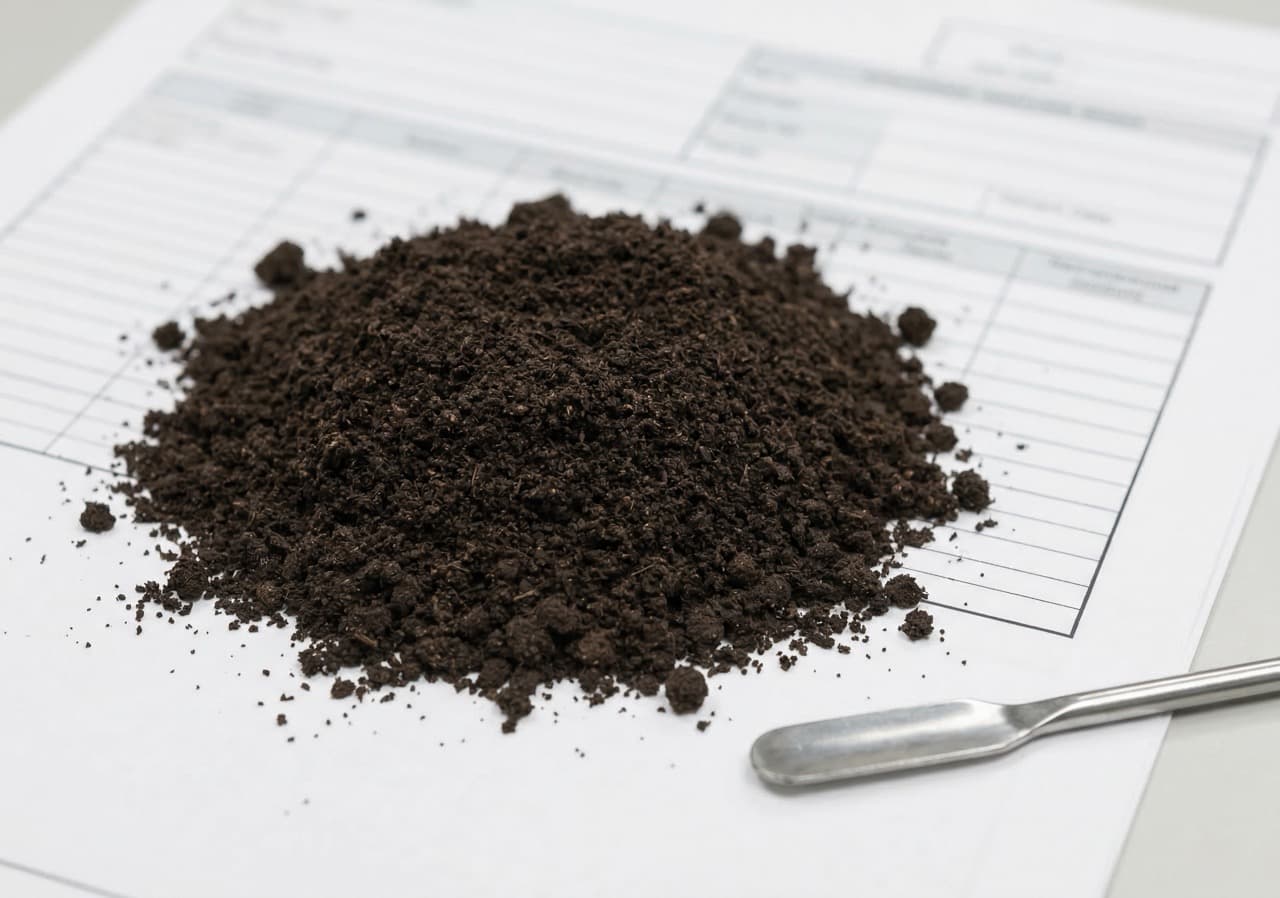
Composting output risks
- Pathogen survival if temperature management fails
- Heavy metal accumulation from contaminated inputs
- Weed seeds surviving if temperature insufficient
- Plastic microcontaminants from imperfect pre-sorting
- Variable nutrient profile depending on input mix and weather
PHANTOM output
- >99.9999% pathogen destruction validated
- No plastic contamination (polymers decomposed)
- Consistent process — reproducible output per cycle
- No heavy metals introduced by PHANTOM
- Input-stream contaminants transfer to outputs — characterisation required for contaminated inputs
Output classification depends on your input stream. For clean organic inputs, PHANTOM output can pursue PAS 110/EA Quality Protocol end-of-waste assessment. For mixed or contaminated inputs, output is classified as sterile inert residue until formally assessed. We guide every customer through the applicable pathway as part of the installation package.
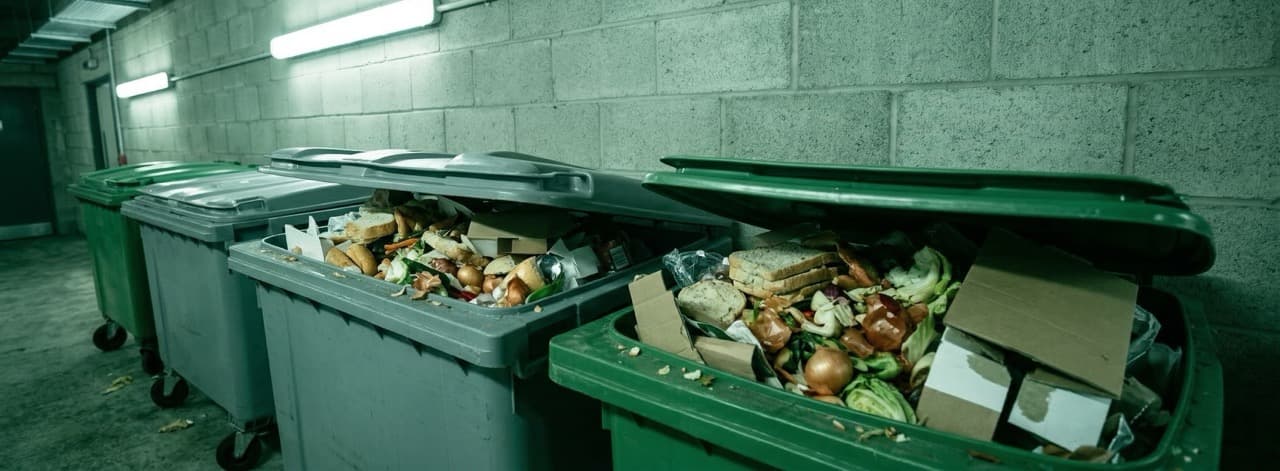
Indoor Operation
Where Composting Fails, PHANTOM Fits
H₂S (the rotten-egg smell from anaerobic decomposition) is detectable at 0.5 parts per billion. At commercial composting volumes it reaches concentrations that breach environmental odour standards and generate neighbour complaints. PHANTOM operates in a fully sealed pressure vessel — zero atmospheric contact with waste during processing. No odour. No visible emissions. 75–80 dB noise (comparable to a commercial dishwasher).
Food Factory Approved
No odour, no pest attraction. Meets BRC and SQF food safety facility requirements.
Hospital Corridor Suitable
75–80 dB noise, no emissions, installs in clinical waste service area.
Urban Hotel / Restaurant
No planning restrictions, no neighbour complaints, no environmental odour permit required.
Decision Guide
Which Is Right for Your Facility?
| Your Situation | Right Choice |
|---|---|
| 0.5+ hectares available, clean organics, 6 months acceptable, no pathogens | Composting or AD |
| Need on-site treatment in your existing facility | PHANTOM |
| Waste includes food, plastics, clinical, or agricultural material | PHANTOM |
| Built-up area with neighbours within 500m | PHANTOM |
| BRC / SQF food safety certification required | PHANTOM |
| Need sterile output in about 30 minutes for clean organic inputs | PHANTOM |
Frequently Asked Questions
Can PHANTOM produce output that qualifies as compost under PAS 100 or PAS 110?▾
For clean organic input streams (food waste, livestock manure, agricultural by-products), PHANTOM's solid output is pathogen-free, sterile, and nutrient-rich — and can pursue formal compost or digestate end-of-waste classification under PAS 110 or EA Quality Protocol assessment. This depends on input stream composition and requires formal EA review. For inputs from mixed, clinical, or contaminated sources, output is classified as sterile inert residue until formally assessed. We guide every customer through the applicable output pathway.
Does PHANTOM cause odour problems in an urban or food-production environment?▾
No. PHANTOM operates in a fully sealed pressure vessel with zero atmospheric contact during processing. The system produces no odour, minimal noise (75–80 dB — comparable to a commercial dishwasher), and no visible emissions. It can be installed inside a food factory, hotel basement, or hospital service corridor without any impact on neighbours or food safety certifications.
What is the minimum space required for PHANTOM vs a composting facility?▾
PHANTOM's 3-tonne unit requires a 5m × 7m footprint. A commercial windrow composting system processing the equivalent volume requires approximately 0.5+ hectares of open-air land plus access roads and turning equipment. For urban or suburban facility operators, the space comparison alone is often decisive.
How does PHANTOM output quality compare to windrow compost?▾
PHANTOM produces consistent, reproducible, >99.9999% pathogen-free output from consistent inputs. Open windrow compost quality varies with weather, turning frequency, and temperature management — with documented risks of pathogen survival if temperature profiles are insufficient. The key principle: output quality from PHANTOM is determined by input quality. For clean organic inputs, output can pursue PAS 110 assessment. Contaminated inputs produce outputs requiring testing before any end-use pathway.
Calculate What PHANTOM Saves vs Your Current Composting Arrangement
Our team will assess your waste collection costs, volumes, and site requirements — and provide a detailed comparison within 5 business days.
Output classification under PAS 110 or EA Quality Protocol requires formal assessment. Composting timelines based on UK commercial windrow operations. Figures for informational purposes only. ~1.27 USD/GBP.