Article Series
UK industrial operators using incineration for waste disposal are heading toward a material cost shock. From 1 January 2028, waste incinerators must buy and surrender carbon allowances under the UK Emissions Trading Scheme — adding an estimated £55–£65/tonne (~$70–$82/tonne) to gate fees that currently run £115–£120/tonne (~$146–$152/tonne), pushing projected 2028 costs to £175–£185/tonne (~$222–$235/tonne). This article is part of the Zero-Emission Industrial Waste Treatment series, which covers every treatment pathway, cost model, and compliance obligation UK operators face in 2026 and beyond.
This article is part of the Zero-Emission Industrial Waste Treatment series — covering non-combustion waste treatment across industrial, manufacturing, and regulatory contexts.
UK waste incineration enters the ETS in two stages: MRV monitoring from January 2026, full carbon allowance surrender from January 2028. The cost impact is £55–£65/tonne (~$70–$82/tonne) on top of current gate fees — a 50%+ increase. Non-combustion alternatives such as subcritical water hydrolysis carry zero ETS exposure.
Applies to operators on EfW contracts, procurement teams renegotiating waste agreements in 2026–2027, and finance teams modelling 2028 cost exposure. Does not apply to on-site non-combustion treatment systems, which carry no fossil carbon liability.
What Is the UK ETS and When Does Waste Incineration Enter It?
UK waste incineration enters the UK ETS in two stages — MRV (monitoring only) from 1 January 2026, and full compliance costs from 1 January 2028. The current UK ETS carbon reference price is £41.84/tonne CO2e (~$53/tonne).

- 1 January 2026: Monitoring, Reporting, and Verification (MRV) period begins. Incinerators must measure and report emissions but do not yet pay for them.
- 1 January 2028: Full compliance begins. Operators must buy and surrender UK Allowances (UKAs) for every tonne of CO₂ emitted from fossil-derived waste.
- Current UK ETS carbon price (2025): £41.84/tonne CO2e (~$53/tonne) — official civil penalty reference rate (GOV.UK) — with market trading ranging £30–£60/tonne (~$38–$76/tonne).
- EU ETS comparison: The EU Emissions Trading System prices carbon at €67/tonne CO2e (~$72/tonne) in 2025, with projections to €108/tonne (~$117/tonne) by 2030. Germany's national carbon pricing scheme applies to waste incineration at €55/tonne (~$59/tonne) now.
- UK–EU linkage risk: In May 2025, the UK Government and EU agreed to work toward linking their trading schemes — price convergence toward EU levels would push UK ETS above £50/tonne (~$64/tonne).
This applies when your facility processes waste using high-temperature combustion and falls within the UK ETS facility scope. It does not apply to high-temperature hazardous waste incinerators, which are currently exempted from the expansion.
Example: A UK food manufacturer generating 500 tonnes of process waste per year through an EfW contract will see their incineration line item rise by approximately £30,000/year (~$38,100/year) once ETS compliance begins in 2028 — before any gate fee renegotiation by the facility operator.
Which Facilities and Waste Streams Are in Scope from 2028?
Non-hazardous waste incinerators ≥3 t/hour and hazardous waste incinerators ≥10 t/day are in scope from 1 January 2028. Clinical waste incinerators are included. On-site non-combustion systems carry zero ETS exposure.
Not every incinerator falls under the UK ETS from day one. Scope is defined by facility type and throughput capacity.
In scope from 1 January 2028:
- Non-hazardous waste incinerators: ≥3 tonnes per hour processing capacity
- Hazardous waste incinerators: ≥10 tonnes per day processing capacity
- Clinical waste incinerators: INCLUDED
Currently exempted:
- High-temperature hazardous waste incinerators (exempt by classification)
- Facilities below the minimum throughput thresholds
This applies when you operate, contract with, or procure services from a commercial or industrial EfW plant meeting these thresholds. It does not apply to on-site non-combustion treatment systems (such as subcritical water hydrolysis), which generate no fossil carbon emissions and carry zero UK ETS exposure.
Example: A hospital trust sending clinical waste to a licensed incinerator will pay the ETS surcharge indirectly through their waste management contract — unless their contractor absorbs the cost, which CIWM's 2025 analysis expects is unlikely given the £230 million (~$292 million) annual industry-wide burden.
How Much Will the UK ETS Add to Incineration Gate Fees?
EfW gate fees in 2026 run £115–£120/tonne (~$146–$152/tonne). The UK ETS expansion adds an estimated £55–£65/tonne (~$70–$82/tonne) from 2028 — pushing projected total gate fees to £175–£185/tonne (~$222–$235/tonne), a 50%+ increase.
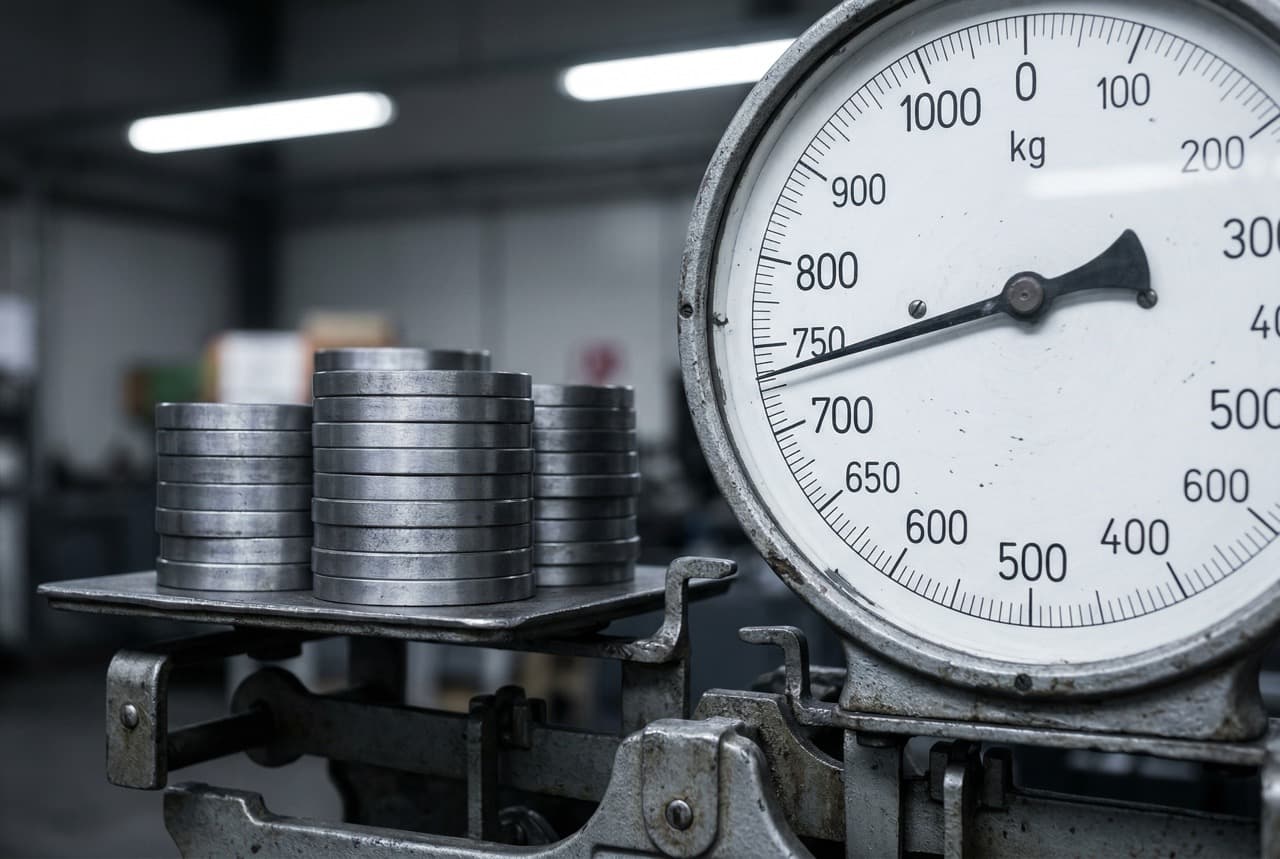
EfW gate fees in 2026 run £115–£120/tonne (~$146–$152/tonne) for non-bulky commercial and industrial waste. The UK ETS expansion adds an estimated £55–£65/tonne (~$70–$82/tonne) on top from 2028 — a 50%+ increase on current pricing, driven by mandatory carbon allowance purchases at whatever the UK ETS market clears on the day of surrender.
Expected cost trajectory:
| Year | Item | Cost per tonne |
|---|---|---|
| 2026 | EfW gate fee (current) | £115–£120 (~$146–$152) |
| 2028 | UK ETS carbon surcharge (estimate) | +£55–£65 (~$70–$82) |
| 2028 | Projected total gate fee | £175–£185 (~$222–$235) |
| 2026 | Landfill (tax + gate fee) | £155+ (~$197+) |
| 2028 | Landfill projected | £165+ (~$209+) |
| All years | PHANTOM SWH on-site OpEx | £15–£20 (~$19–$25) |
- Commercial and industrial sector ETS cost burden: £230 million/year (~$292 million/year) from 2028 (CIWM, 2025)
After 2028, incineration at £175–£185/tonne (~$222–$235/tonne) will sit above landfill — and unlike the landfill tax, which is a fixed statutory rate, the ETS surcharge fluctuates with the carbon market. Operators on incineration contracts have no mechanism to hedge that exposure.
This applies when you are on EfW contracts being renegotiated in 2026 or 2027. It does not apply if your contracts contain force-majeure or direct pass-through clauses that keep the ETS cost liability with the facility operator until contract renewal.
Example: A UK retailer disposing of 2,000 tonnes of commercial waste via EfW contracts faces a projected £120,000+/year (~$152,400+/year) cost increase from 2028 at the mid-range ETS impact. At EU ETS price parity, that figure exceeds £140,000/year (~$177,800/year) — before any base gate fee inflation on top.
What Must Operators Do During the 2026–2027 MRV Period?
The MRV period from 1 January 2026 is not passive. Operators must submit an approved Monitoring Plan, measure fossil-derived emissions, submit verified annual reports by 31 March each year, and complete a decarbonisation readiness assessment for new permit applications after 28 February 2026.

The monitoring period running from 1 January 2026 to 31 December 2027 carries compliance obligations that operators — and their contractors — must meet before carbon costs land.
MRV requirements include:
- Submitting an approved Monitoring Plan to the Environment Agency
- Measuring and recording all emissions from fossil-derived waste materials
- Reporting verified annual emissions by 31 March each year (2027 and 2028 submissions)
- Third-party verification of emissions data before submission
- Decarbonisation readiness assessment for new environmental permit applications submitted after 28 February 2026 (now mandatory)
This applies when your facility operates or contracts with an EfW plant within the facility scope thresholds. It does not apply if your operation falls below the minimum throughput thresholds.
Example: An operator who misses the Monitoring Plan submission deadline in early 2026 cannot claim MRV-period exemption from penalties. The Environment Agency has confirmed monitoring obligations are mandatory from the start of 2026 — not optional until 2028.
In my experience reviewing compliance planning for industrial clients, the MRV period is consistently underestimated. Most treat it as administrative overhead. It is the data infrastructure that determines your 2028 allowance purchase obligation — errors in monitored data create material financial misstatement risk at the point carbon costs land.
How Does the EU Compare — And Why Does It Matter for UK Operators?
EU ETS carbon pricing reached €67/tonne (~$72/tonne) in 2025, projected to €108/tonne (~$117/tonne) by 2030. The May 2025 UK–EU ETS linkage agreement creates a long-term price convergence risk for UK operators currently planning at £30–£60/tonne (~$38–$76/tonne).

EU member states have moved faster on incineration carbon pricing. Understanding EU ETS precedent gives UK operators a window into where UK prices are heading — and how fast.
EU ETS position in 2025:
- General carbon price: €67/tonne CO2e (~$72/tonne)
- Projected 2030 price: €108/tonne CO2e (~$117/tonne) (CE Delft, June 2025)
- Germany: National carbon pricing at €55/tonne (~$59/tonne) already applied to waste incineration
- Netherlands and Sweden: Waste-to-energy plants already covered under EU ETS
- EU municipal waste incineration inclusion: Assessed from 2028 (CE Delft estimates 4–7 Mt CO2e reduction by 2030)
The UK–EU ETS linkage agreement announced in May 2025 creates a long-term price convergence risk. If UK and EU allowance prices harmonise, UK operators currently planning at £30–£60/tonne (~$38–$76/tonne) should model at €67/tonne to stress-test their 2028 exposure.
For operators dealing with UK manufacturing waste compliance costs across multiple regulatory regimes, the ETS adds to EPR, packaging obligations, and carbon-reporting requirements. For operators reporting under CSRD or CBAM frameworks, the ETS allowance price flows directly into Scope 3 Category 5 emissions reporting — making it an ESG accounting input, not just a contractor surcharge.
This applies when you are reporting under CSRD, UK SDR, or CBAM frameworks. It does not apply to companies below the CSRD threshold (currently EU companies with >1,000 employees AND >€450 million turnover, or non-EU companies with >€450 million EU net turnover).
Example: A UK pharmaceutical manufacturer with EU operations reports Scope 3 Category 5 waste disposal emissions under CSRD. Their UK clinical waste incineration cost becomes a dual entry: a financial liability in procurement and a carbon disclosure in sustainability reporting. After 2028, the ETS allowance price links those two numbers directly.
How Should Operators Calculate Their 2028 ETS Cost Exposure?
Annual ETS cost (pass-through estimate) = annual incineration volume × fossil carbon fraction × CO₂ emission factor × ETS price. Use £50/tonne (~$64/tonne) for conservative planning; use £57/tonne (~$72/tonne) to model EU ETS parity.
Operators planning 2026–2028 capital or procurement decisions need a working ETS cost model. The calculation is straightforward in principle — variable in practice.
ETS exposure calculation:
- Annual waste volume via incineration (tonnes/year)
- Fossil carbon fraction: 40–60% of total mass for mixed C&I streams (varies significantly by sector and waste composition)
- CO₂ emission factor: ~0.9–1.2 t CO₂ per tonne of fossil-derived waste incinerated (DEFRA GHG factors, 2025)
- UK ETS allowance price assumption: current market range £30–£60/tonne (~$38–$76/tonne); use £50/tonne (~$64/tonne) for conservative planning; use £57/tonne (~$72/tonne) to model EU ETS parity
- Annual ETS cost (pass-through estimate): annual volume × fossil carbon fraction × CO₂ factor × ETS price
For operators modelling full ROI of on-site treatment against contracted incineration, see the ROI of an industrial waste processing machine guide — it covers ETS pass-through modelling alongside capital payback and overflow cost analysis.
This applies when your waste contracts are currently tendered or due for renegotiation in 2026–2027. It does not apply if you hold fixed-price long-term contracts with no pass-through clauses, in which case the ETS cost liability sits with the facility operator until renewal.
Example: A pharmaceutical manufacturer sending 1,000 tonnes/year of mixed manufacturing waste to EfW, with a 50% fossil carbon fraction and 1.0 t CO₂ emission factor, faces a projected ETS pass-through of approximately £25,000/year (~$31,750/year) at £50/tonne. At EU ETS parity (£57/tonne, ~$72/tonne), that rises to approximately £28,500/year (~$36,195/year) — before any gate fee inflation compounding on the base contract rate.
What Alternatives to Incineration Carry No UK ETS Exposure?
Non-combustion alternatives — subcritical water hydrolysis, anaerobic digestion, autoclaving — carry zero UK ETS exposure. PHANTOM's on-site SWH runs at £15–£20/tonne (~$19–$25/tonne) OpEx versus £175–£185/tonne (~$222–$235/tonne) projected incineration costs from 2028.
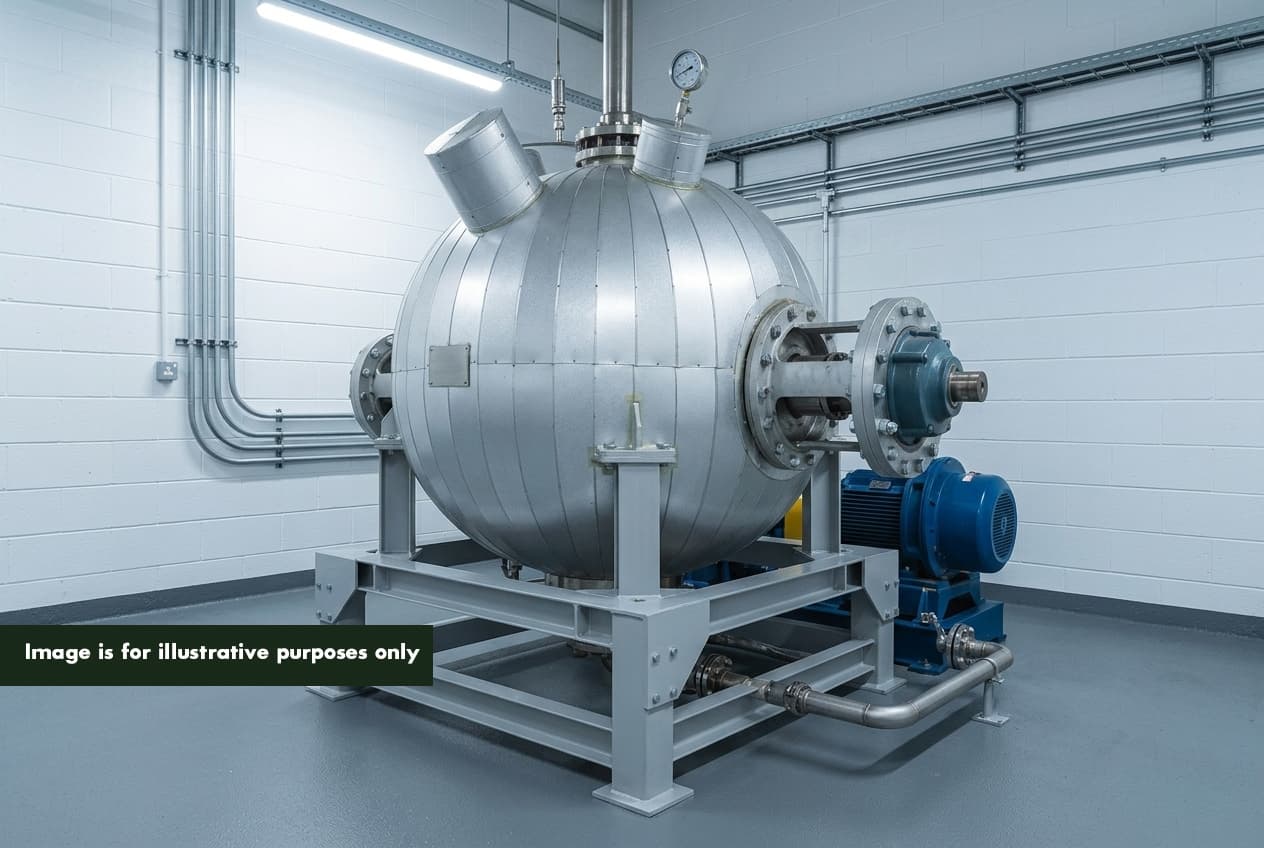
Treatment technologies that do not combust organic material are entirely outside UK ETS scope. This is the structural cost advantage that non-combustion operators hold from 2028.
Non-combustion alternatives and their ETS position:
- Subcritical water hydrolysis (SWH): No combustion. No fossil carbon emissions. Zero UK ETS exposure. PHANTOM's on-site SWH runs at £15–£20/tonne OpEx (~$19–$25/tonne) — against £115–£120/tonne (~$146–$152/tonne) for contracted incineration today, rising to £175–£185/tonne (~$222–$235/tonne) from 2028. SWH processes organic waste at approximately 250°C and 20–27 bar pressure, converting it to sterile residue and liquid nutrient streams in ~30-minute cycles.
- Anaerobic digestion: No ETS scope currently — but feedstock restrictions limit applicability to specific organic streams.
- Autoclaving: No ETS scope — but residue still requires disposal, which may carry an indirect ETS cost if the final disposal route is incineration.
- Landfill: No ETS scope — but at £155+/tonne (~$197+/tonne) total cost in 2026, rising to £165+/tonne (~$209+/tonne) by 2028, already the highest-cost legal route.
For a full technical explanation of how subcritical water hydrolysis works, what waste streams it processes, and how PHANTOM's machines compare on throughput and output type, see the subcritical water hydrolysis guide.
This applies when you are evaluating treatment technology alternatives with a 3–10 year capital horizon. It does not apply to waste streams with high inorganic or heavy metal content — those require specific pre-treatment and cannot be processed through SWH without stream segregation.
Example: A facility disposing of 10,000 tonnes of industrial waste per year through EfW faces a projected £600,000+/year (~$762,000+/year) ETS liability from 2028 at the mid-range carbon impact — on top of gate fees that already run £115–£120/tonne today. That combined figure is a floor, not a ceiling. It rises every time the UK ETS carbon market moves.
The PHANTOM organic waste treatment machine processes organic waste on-site using subcritical water hydrolysis — at approximately 250°C, 20–27 bar, in ~30-minute cycles. No combustion. No fossil carbon emissions. No UK ETS exposure from 2028. The output is sterile residue and liquid nutrient streams, which carry value as recovered materials — converting a disposal cost centre into a partial revenue stream.
For operators evaluating the total cost of ownership of on-site SWH treatment against a contracted EfW model — with ETS costs modelled from 2028 — speak to our team for a free feasibility assessment based on your actual waste volumes and stream composition.
Frequently Asked Questions
UK waste incineration enters the UK Emissions Trading Scheme in two phases: a monitoring-only MRV period from 1 January 2026, and full compliance with mandatory carbon allowance surrender from 1 January 2028.
The UK ETS is projected to add approximately £55–£65 per tonne (~$70–$82/tonne) to EfW gate fees from 2028 — on top of current 2026 gate fees of £115–£120/tonne (~$146–$152/tonne), pushing projected 2028 costs to £175–£185/tonne (~$222–$235/tonne). This represents a 50%+ increase on current pricing.
Yes. Non-combustion technologies including subcritical water hydrolysis (SWH) are entirely outside UK ETS scope. PHANTOM's on-site SWH machine processes organic waste at approximately 250°C and 20–27 bar with no combustion and no fossil carbon emissions — at £15–£20/tonne OpEx (~$19–$25/tonne).
CIWM's 2025 analysis estimates the commercial and industrial sector will face approximately £230 million per year (~$292 million/year) in additional ETS costs from 2028.
Figures are for informational purposes only and do not constitute legal, financial, or procurement advice. ~1.27 USD/GBP conversion rate at time of publication. UK ETS carbon prices are market-variable; plan figures should be stress-tested against current UK ETS market data. Regulatory timelines reflect GOV.UK guidance as of April 2026; confirm with the Environment Agency for the latest.