Article Series
Cite this article: Phantom Ecotech Research Team. (2026, March). "Greenhouse Gas Balances of Organic Waste Treatment Scenarios: Landfill, Incineration, Composting, and Subcritical Water Hydrolysis." Phantom Ecotech. https://phantomecotech.com/blog/manufacturing-waste-carbon-footprint#ghg-balances
Published: March 2026. Author: Phantom Ecotech Research Team. Last updated: March 2026.
TL;DR — Manufacturing Waste & Carbon Footprint Impact
Manufacturing waste disposal is a highly controllable but often ignored source of Scope 3 emissions, and shifting away from landfilling or incineration is the fastest way to reduce a facility's carbon footprint.
To actively reduce the carbon cost of manufacturing waste, facilities must follow these operational steps:
- Audit & Measure: Calculate your baseline Scope 3 Category 5 emissions using EPA WARM or DEFRA emission factors — for a step-by-step methodology on how to measure and report Scope 3 Category 5 waste emissions including CBAM and CSRD audit requirements, see our dedicated guide
- Apply the 5R Hierarchy: Prioritise Refuse, Reduce, Reuse, Repurpose, and Recycle over standard disposal
- Stop Landfilling Organics: Landfilled organic waste generates methane with a warming potential 80× greater than CO₂ over a 20-year period
- Adopt Non-Combustion Treatment: Process unrecyclable mixed organics using subcritical water hydrolysis to eliminate incineration emissions and dioxin risks
Applicable to: Manufacturing plants subject to EU CBAM (mandatory certificate surrender from September 2027), UK Plastic Packaging Tax (£223.69/t on sub-30%-recycled packaging), CSRD Scope 3 Category 5 reporting (phased from January 2025), or EU PPWR packaging recyclability requirements from August 2026.
Example: Instead of sending 3 tonnes of mixed organic and plastic waste to landfill — generating ~1,560 kg of CO₂e — a manufacturer uses on-site hydrolysis to convert that liability into 1.8 tonnes of liquid fertiliser and solid fuel at ~$33 (~£26) per cycle in fuel costs, with zero dioxin output.
Read the full guide below for exact carbon conversion factors, EU CBAM implementation timelines, and the physics of methane vs. incineration emissions. Related: Zero-Emission Industrial Waste Treatment Guide · Hydrolysis for Hard-to-Recycle Industrial Plastics
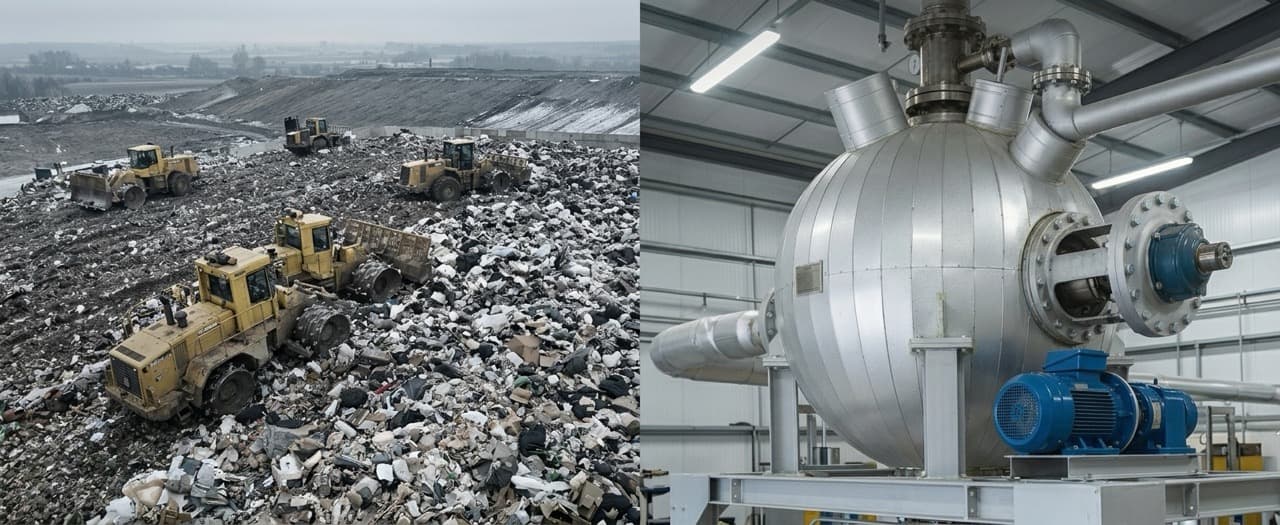
Read more about the global waste crisis, disposal technology comparisons, and the economics of zero-emission alternatives in our comprehensive guide: The Ultimate Guide to Zero-Emission Industrial Waste Treatment. Here, we narrow the focus to the manufacturing sector specifically — drilling into the carbon mechanics of each disposal route, the regulatory compliance obligations that are now financially live, and the engineering and process changes that deliver measurable, verifiable emission reductions.
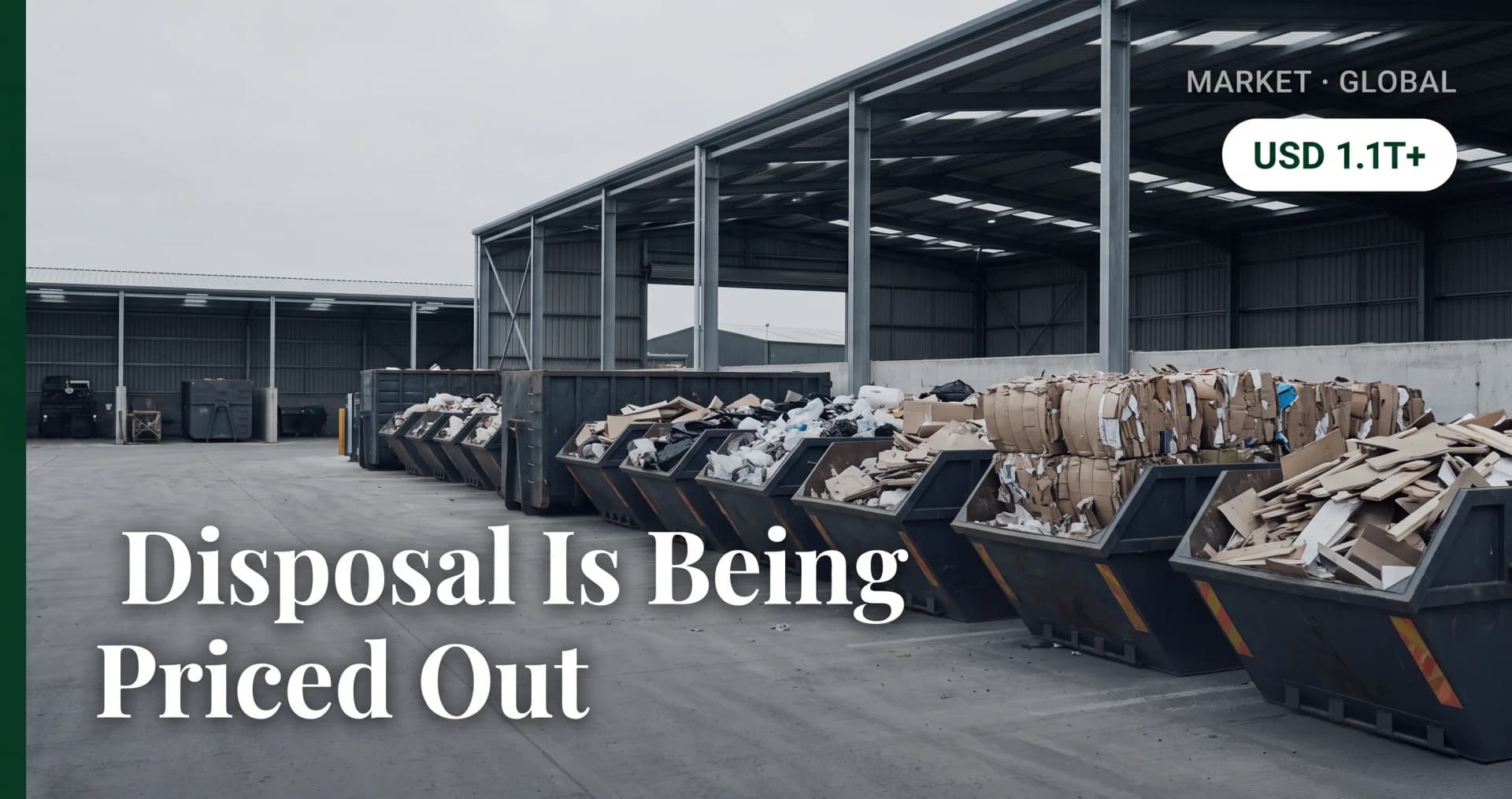
Waste disposal is the silent variable in most corporate carbon models. Plant engineers optimise combustion efficiency, logistics teams reduce transport miles, and procurement sources lower-carbon materials — yet the skip at the back of the facility continues to generate hundreds of kilograms of CO₂-equivalent per tonne, often completely unaccounted for in Scope 3 Category 5 reporting.
Commercial and industrial activity accounted for around 21% of total UK waste generation in 2020, within a UK total of 191.2 million tonnes (DEFRA, UK Statistics on Waste, July 2025 release). Construction, demolition and excavation accounted for the largest share at 61%.
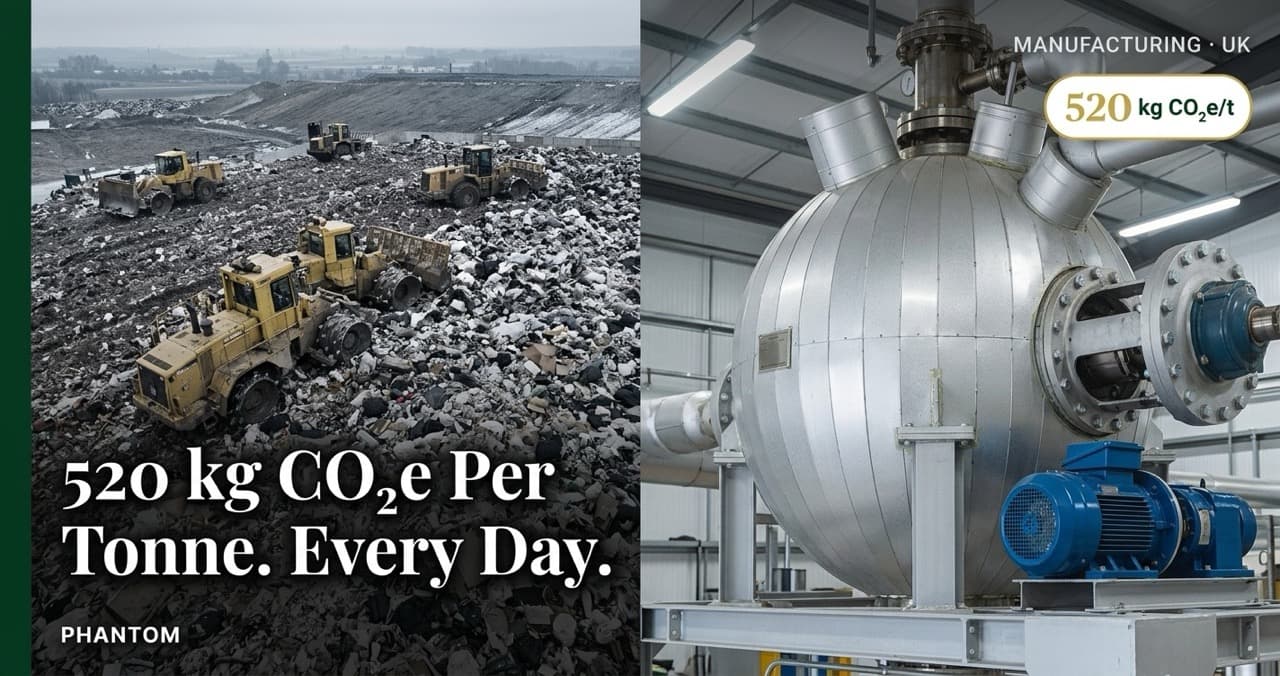
The data is not abstract. Landfill disposal of commercial and industrial waste generates 520 kg CO₂e per tonne (DEFRA/DESNZ 2024). Aluminium recycling delivers a net reduction of over 9 tonnes CO₂e per short ton. Every day the current waste strategy remains unchanged, the carbon debt accumulates.
Why Is Waste Management the Hidden Variable in Manufacturing Decarbonisation?
Waste management is the most directly controllable Scope 3 category in a manufacturing operation — yet only 44% of manufacturers reporting to CDP currently disclose any Scope 3 data.
Three reasons waste is systematically underweighted in decarbonisation plans:
- It appears small as a percentage of total Scope 3 (typically 1–5%) but is classified as "relevant" across every manufacturing sub-sector without sectoral exemption
- It is the only Scope 3 category entirely within a facility manager's daily operational authority — no supplier negotiation required
- Regulators and ESG auditors examine it closely precisely because it is so controllable
Applies to: All manufacturing facilities subject to CSRD Scope 3 Category 5 reporting from 2025 or any CDP-disclosing company. Does NOT apply to facilities where waste is 100% recycled — Category 5 emissions are near-zero in that case.
Example: A plastics manufacturer sending 200 tonnes of mixed film to landfill generates 104 tCO₂e per year from that stream alone — at zero commercial upside, and an increasing financial liability as UK landfill tax escalates annually.
CDP research shows that corporate Scope 3 emissions are, on average, 26 times larger than combined Scopes 1 and 2. Within that Scope 3 inventory, Category 5 (Waste Generated in Operations) typically represents 1–5% of the total — a relatively small share by percentage. However, this framing obscures two critical points.
First, Category 5 is classified as "relevant" across every manufacturing sub-sector in CDP's Technical Note on Scope 3 materiality, without exception. It appears in the base reporting requirement regardless of whether a company produces consumer goods, chemical inputs, engineered components, or food products. There is no sectoral exemption.
Second, it is the most directly controllable Scope 3 category. Unlike Category 1 (purchased goods and services), where emission reductions require negotiating upstream supplier changes, waste disposal sits entirely within a facility manager's operational authority. The decision to landfill, incinerate, recycle, or treat on-site is made at the facility level on a daily basis. This makes Category 5 the most tractable target for rapid, verifiable emission reductions — which is precisely why regulators and sustainability auditors examine it closely.
Only 44% of manufacturing companies disclosing to CDP currently report any Scope 3 data. That gap is closing fast. When it does, the facilities that cannot demonstrate a managed, documented waste carbon strategy will face ESG downgrades, customer supply chain audits, and potential regulatory penalties.
What Is the Carbon Cost of Each Waste Disposal Route?
Each disposal pathway carries a distinct carbon burden. Landfill and incineration are both high-emission routes. Recycling is consistently the lowest-carbon outcome. The differences are not marginal — they span orders of magnitude for certain materials.
The Landfill Greenhouse Gas Mechanism: Why Methane Is the Real Problem
Landfill is not a passive storage solution. It is an active biological and chemical reactor operating underground, generating greenhouse gases continuously for decades after organic waste is deposited.
When organic materials — food processing residues, wood offcuts, fibrous packaging, textiles, biological sludges — are deposited in an anaerobic landfill environment, they undergo microbial decomposition into a mixture of methane (CH₄) and CO₂ known as landfill gas. This process is slow, irregular, and poorly captured by even the best-engineered gas collection systems.
The critical factor is methane's warming potency. Per the IPCC Sixth Assessment Report (AR6, 2021), biogenic methane — the type produced by organic waste decomposition — carries a Global Warming Potential of 27.0 over 100 years (GWP₁₀₀) and 80.8 over a 20-year horizon (GWP₂₀). The 20-year figure is the operationally relevant one for manufacturers with 2030 and 2035 decarbonisation targets: every tonne of methane released from a landfill has the same near-term climate impact as 80.8 tonnes of CO₂.
EPA studies on US landfills found that over 60% of methane generated from landfilled food waste escapes as fugitive emissions before gas collection infrastructure captures it. Modern industrial landfills with active gas extraction do better, but no landfill achieves complete capture. The DEFRA 2024 emission factors quantify this precisely: commercial and industrial waste to landfill emits 520 kg CO₂e per tonne — a figure that compounds at scale. A manufacturing facility generating 5,000 tonnes of organic waste per year and sending it to landfill is responsible for 2,600 tonnes CO₂e annually from that single waste stream alone. For manufacturers looking to eliminate this liability entirely, the PHANTOM organic waste treatment machine converts that 5,000-tonne stream into sellable outputs at ~$33/cycle — with boiler CO₂ as the only remaining emission.
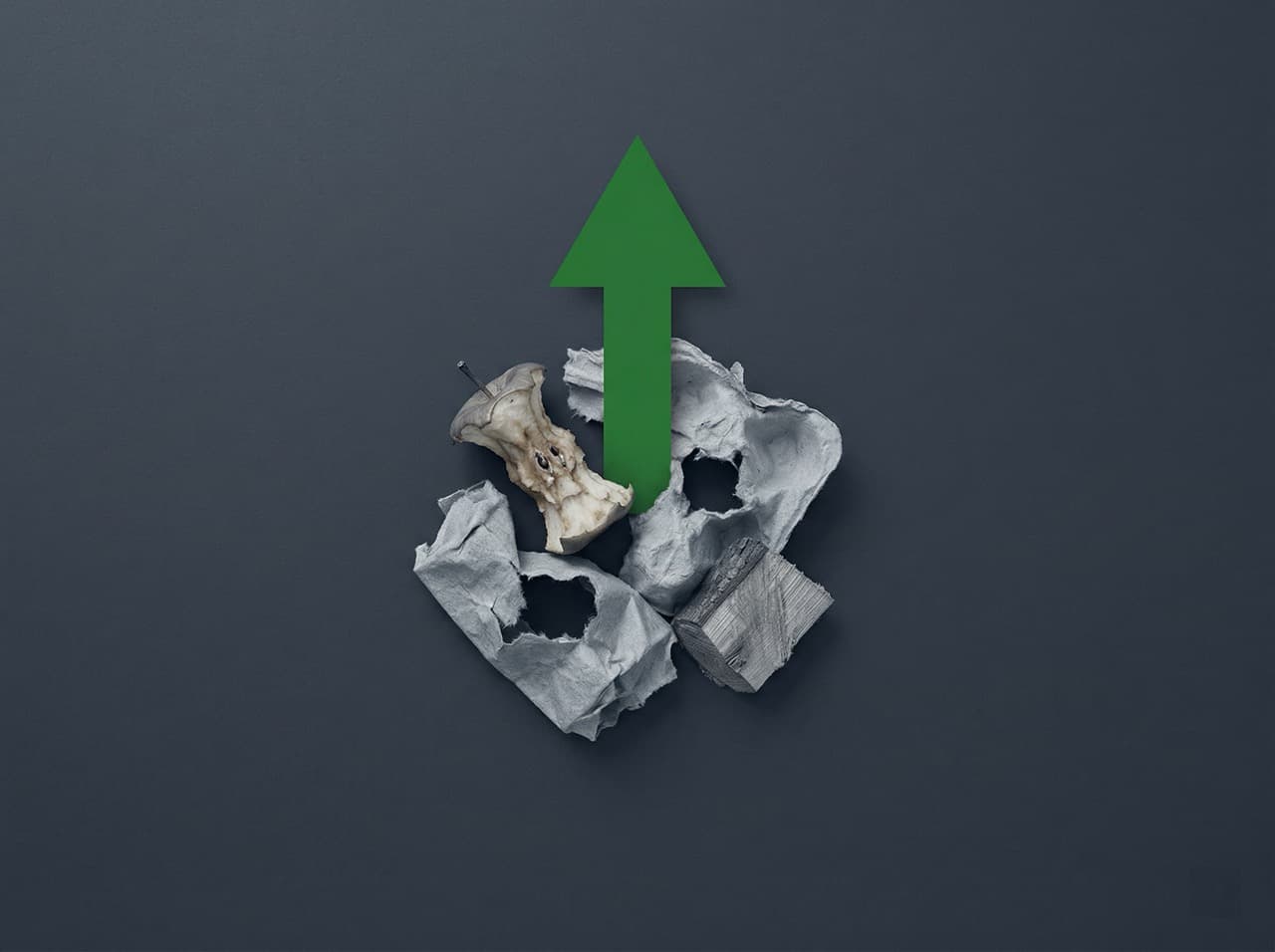
Does Incineration Solve the Problem? The Carbon Mathematics Say No
Incineration (energy-from-waste, or EfW) is frequently presented as superior to landfill because it destroys organic mass and recovers energy. The carbon arithmetic is more complicated.
Modern best-available-technology EfW facilities in the UK emit approximately 477–500 kg CO₂e per tonne of waste processed — only marginally better than landfill's 520 kg CO₂e per tonne once direct process emissions are properly accounted for. Critically, this figure is highly sensitive to one variable: the carbon intensity of the local electricity grid.
Energy recovered from waste combustion offsets some grid electricity generation, and this offset is credited against the EfW facility's gross emissions. As national grids decarbonise through expansion of renewable energy, the carbon intensity of grid electricity falls — meaning the energy recovered from incineration displaces progressively lower-carbon electricity. The "benefit" of energy recovery therefore diminishes as the grid cleans up. A facility that looks carbon-neutral on paper today, using 2024 grid intensity factors, will look increasingly carbon-intensive by 2030 as renewable penetration increases and the displacement credit shrinks. For manufacturers planning 2035 or 2040 emission targets, incineration is a depreciating carbon asset — and from 2028, the UK ETS carbon surcharge adds £55–£65/tonne to EfW gate fees, compounding the financial case for switching treatment pathway.
There is an additional technical liability with incineration: dioxin generation. Chlorinated organic materials — including PVC, certain coatings, treated wood, and medical-grade plastics — produce polychlorinated dibenzo-p-dioxins (PCDDs) and dibenzofurans (PCDFs) when combusted, even at high temperatures. Achieving the EU limit of 0.1 ng-TEQ/m³ in flue gas requires sophisticated activated carbon injection and bag filtration systems, adding capital and operating cost. The fundamental chemistry of chlorinated combustion cannot be engineered away; it can only be managed.
The Recycling Leverage Effect: Where the Carbon Math Turns Positive
Recycling's carbon advantage is not uniform across materials — it varies enormously. The EPA WARM model provides the most rigorous material-level data available. Switching from landfill to recycling saves:
- Aluminium: 95% energy saving versus virgin production. Carbon footprint drops from 15.1 tonnes CO₂e per tonne (primary) to 0.52 tonnes CO₂e per tonne (secondary) — a 96.6% reduction. Net EPA WARM saving: −9.13 MTCO₂e per short ton.
- Steel: 60–74% energy saving; saving 1,400 kWh of electricity and 10.9 million BTU per tonne recycled.
- Plastics (PET): Up to 76% energy saving, approximately 7,200 kWh per tonne versus virgin resin.
- Paper and cardboard: ~60% energy saving, conserving approximately 4,100 kWh per tonne.
- Glass: Every 10% increase in cullet (recycled glass) content in a furnace charge reduces melting energy by 2.5–3%. FEVE estimates each tonne of recycled glass saves 670 kg of CO₂ versus virgin glass production.
These figures demonstrate that waste stream segregation is not an administrative compliance exercise — it is a carbon reduction mechanism with a quantifiable return. A facility that separates aluminium scrap from its general waste and routes it to a certified recycler is, by the data, performing better on carbon intensity than a competitor that incinerates the same material for energy recovery.
Greenhouse Gas Balances of Waste Treatment Scenarios
This section provides a comparative greenhouse gas balance analysis across four primary organic waste treatment pathways: landfill, incineration (energy-from-waste), composting, and subcritical water hydrolysis. Data is drawn from DEFRA 2024, IPCC AR6, EPA WARM v16, and peer-reviewed process engineering literature.
Published: March 2026. Author: Phantom Ecotech Research Team.
Overview
Selecting a waste treatment route is, functionally, a carbon accounting decision. Each pathway produces a distinct greenhouse gas profile across three dimensions: direct process emissions (what escapes during treatment), avoided emissions (what would have been emitted via an alternative route), and output value (whether the residue displaces virgin production with its own emission cost).
A 2008 Eunomia analysis for the Mayor of London — now unavailable online — concluded that incineration, when compared to alternative waste treatment technologies under robust methodology, ranked poorly for CO₂ reduction, particularly as energy grids decarbonise. The data below updates and extends that framework using current emission factors.
Scenario Scope
All figures are per tonne of mixed organic waste processed, assuming a representative UK/EU industrial waste composition. Results are expressed in kg CO₂-equivalent (CO₂e) using GWP₁₀₀ values from IPCC AR6 (2021).
| Treatment Scenario | Direct Process Emissions (kg CO₂e/t) | Methane Risk | Output Reuse Value | Net GHG Balance |
|---|---|---|---|---|
| Landfill | 520 kg CO₂e/t (DEFRA 2024) | High — fugitive CH₄ at GWP₁₀₀ = 27.0 | None | Worst |
| Incineration (EfW) | ~477–500 kg CO₂e/t (UK BAT average) | None | Energy recovery only — declining carbon credit as grid decarbonises | Poor and deteriorating |
| Composting | ~20–50 kg CO₂e/t (process only) | Moderate — open windrow emits CH₄ and N₂O | Compost displaces synthetic fertiliser | Moderate |
| Subcritical Water Hydrolysis (SWH) | Near-zero from vessel; boiler fuel only | None — sealed, oxygen-free process | Sterile compost, liquid fertiliser, fuel material displace virgin equivalents | Best |
Scenario 1: Landfill
Landfill is the highest-emission disposal route for organic waste. When organic material decomposes anaerobically underground, it generates a mixture of CH₄ and CO₂ (landfill gas). Methane's GWP over a 20-year horizon (GWP₂₀) is 80.8 — meaning one tonne of fugitive methane from a landfill has the same near-term climate impact as 80.8 tonnes of CO₂.
Even modern landfills with active gas extraction do not achieve complete methane capture. EPA studies indicate that over 60% of methane from landfilled food waste escapes before collection systems intercept it.
DEFRA 2024 emission factor for commercial and industrial waste to landfill: 520 kg CO₂e per tonne.
At scale: a facility sending 5,000 t/year of organic waste to landfill generates 2,600 tonnes CO₂e annually from that stream alone.
Scenario 2: Incineration (Energy-from-Waste)
Incineration is frequently presented as superior to landfill because it destroys organic mass and recovers energy. The greenhouse gas balance is more nuanced.
Gross emissions: Modern UK best-available-technology EfW facilities emit approximately 477–500 kg CO₂e per tonne of waste processed — only marginally better than landfill once full process accounting is applied.
The grid decarbonisation problem: The primary carbon argument for incineration is energy recovery: the electricity generated displaces grid electricity, reducing net emissions. As national grids decarbonise through renewable energy expansion, the carbon intensity of that displaced electricity falls. The energy recovery credit therefore shrinks over time. A facility that appears carbon-neutral today — using 2024 grid intensity factors — becomes progressively more carbon-intensive relative to alternatives by 2030 and 2035 as renewable penetration increases.
This is the core finding the 2008 Eunomia report anticipated: incineration is a depreciating carbon asset, not a stable solution.
The dioxin liability: Chlorinated organic materials — PVC, certain coatings, treated wood, medical plastics — produce polychlorinated dibenzo-p-dioxins (PCDDs) and dibenzofurans (PCDFs) when combusted, even at regulated high temperatures. This cannot be eliminated by engineering; only managed with expensive pollution control trains (activated carbon injection, selective catalytic reduction, bag filtration). These controls add capital and operating cost without removing the fundamental chemical liability.
Scenario 3: Composting
Composting produces significantly lower direct emissions than landfill or incineration, but carries its own GHG risks.
Open windrow composting — the most common industrial form — generates both methane and nitrous oxide (N₂O) from anaerobic pockets within the compost mass. N₂O has a GWP₁₀₀ of 273 (IPCC AR6), making it a potent contributor if not properly managed through turning frequency and moisture control.
In-vessel composting reduces these fugitive emissions significantly but requires more capital investment and energy input.
Output value: Mature compost displaces synthetic fertiliser, delivering a net carbon credit. However, composting requires months to years to complete, demands significant land area, and cannot process non-biodegradable materials such as plastics, medical waste, or PCB-contaminated inputs.
Net GHG balance: Better than landfill and incineration for pure organic inputs, but limited in scope and time efficiency.
Scenario 4: Subcritical Water Hydrolysis (SWH)
Subcritical water hydrolysis — the technology underlying the PHANTOM system — produces the most favourable greenhouse gas balance of the four scenarios.
Direct process emissions from the vessel: zero. The reaction occurs in a sealed, oxygen-free pressure vessel. There is no combustion, no flue gas, no dioxin formation pathway. The only CO₂ emission pathway is from the steam-generating boiler (kerosene or biomass-fuelled). This is the single environmental burden of the process.
The science: Water held at approximately 150–374°C under sufficient pressure to remain liquid dissociates into H⁺ and OH⁻ ions. These ions attack the molecular bonds of organic polymers, proteins, and fats, breaking them into low-molecular-weight components without oxidation. Published research demonstrates 99.4% removal of PCDDs at 350°C in subcritical water media (Journal of Hazardous Materials, 2019).
Processing speed: 30–35 minutes per cycle versus months for composting and continuous throughput required for incineration.
Output reuse: The process outputs sterilised organic residue suitable for composting or agricultural use, liquid concentrate suitable as fertiliser at 1:500 dilution, and reduced-mass fuel material from certain plastics. These outputs displace virgin fertiliser production, reducing the net emission burden further beyond the direct process comparison.
Volume reduction: Organic materials reduced by approximately 60%; certain plastics by up to 98%.
Comparative GHG Balance Summary
The table below maps each scenario against two axes: tonnes CO₂e emitted per tonne of waste, and long-term trajectory as energy grids decarbonise and regulations tighten.
| Scenario | 2024 Emission Factor | 2030 Trajectory | Regulatory Risk |
|---|---|---|---|
| Landfill | 520 kg CO₂e/t | Stable — remains high | High (methane reporting, landfill bans) |
| Incineration EfW | ~477–500 kg CO₂e/t | Worsening — grid credit shrinks | High (EU ETS, CBAM, dioxin regulation) |
| Composting | ~20–50 kg CO₂e/t (process) | Stable | Moderate |
| Subcritical Water Hydrolysis | Near-zero (vessel) | Improving — boiler can switch to biomass | Low |
Sources: DEFRA/DESNZ 2024 Greenhouse Gas Conversion Factors · IPCC AR6 GWP values · EPA WARM Model v16 · UK EfW BAT Reference Documents · Journal of Hazardous Materials 2019 (subcritical water dioxin removal) · ACS Analytical Chemistry 2016 (SWH mechanisms) · BloombergNEF EU ETS Forecast 2030.
For the full operational and regulatory context of these emission scenarios, see the sections below on manufacturing-specific compliance obligations and the 5R carbon reduction hierarchy.
How Do the 5R Principles Apply to Manufacturing Waste Carbon Reduction?
The traditional 3R framework (Reduce, Reuse, Recycle) is insufficient for industrial decarbonisation. Extending it to 5R — adding Refuse and Repurpose — creates a prioritised hierarchy that maps directly to carbon reduction potential, with source reduction delivering the highest return per unit of effort.
The 5R hierarchy, in descending order of carbon impact:
Refuse — Design out waste-generating materials before they enter the facility. Switching from chlorinated solvents to water-based alternatives eliminates a hazardous waste stream entirely. Value engineering packaging specifications to remove laminated or multi-material layers prevents mixed-material waste that cannot be mechanically recycled. In Lean Manufacturing terms, this is addressing the "generation" waste category at its root.
Reduce — Minimise waste generation per unit of production output. Statistical process control (SPC) to reduce off-spec production, predictive maintenance to prevent chemical or lubricant spills, and precision dispensing systems for coatings and adhesives all reduce absolute waste mass — and therefore absolute emission liability.
Reuse — Extend the service life of process materials before they become waste. Solvent recovery stills, coolant reconditioning systems, and mould release agent recirculation loops all reduce virgin material consumption and defer waste generation.
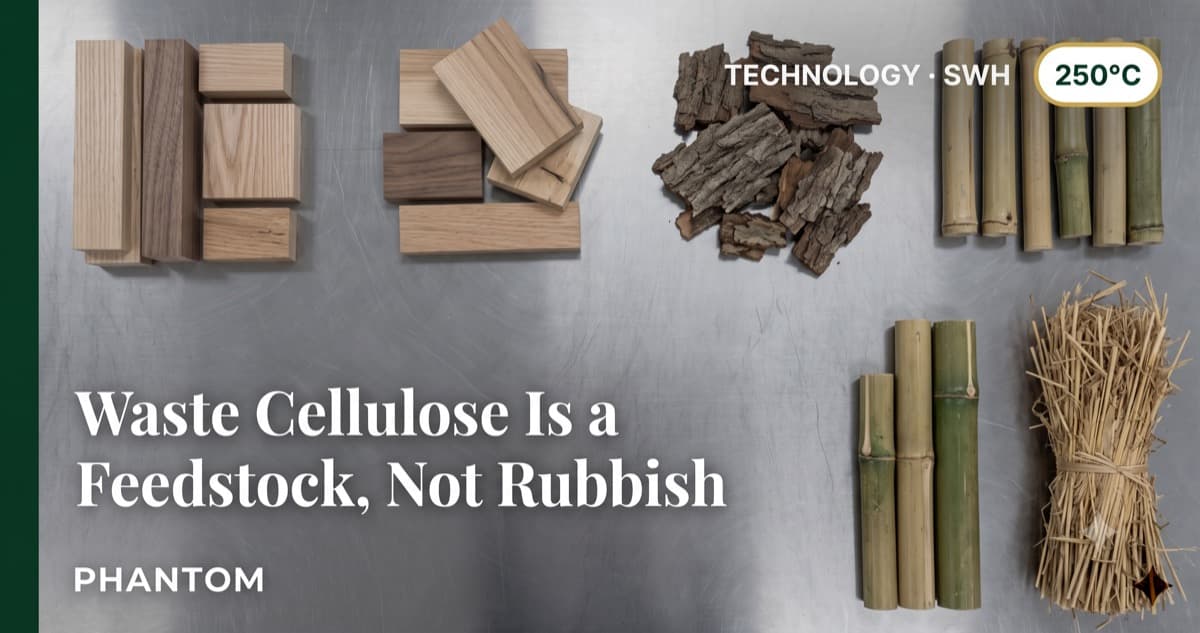
Repurpose — Convert production residues into inputs for other processes, either internally or via industrial symbiosis partnerships. A food processing facility's organic waste becomes feedstock for on-site anaerobic digestion or external composting. Wood offcuts from a furniture manufacturer become biomass fuel for the same facility's boiler. The waste stream is reclassified as a by-product with positive carbon accounting.
Recycle — Route materials to certified recyclers using the emission factors above to quantify the carbon reduction claimed. This is the most commonly implemented R, but its carbon impact is lower than Refuse or Reduce because the recycling process itself still consumes energy.
The carbon accounting implication is direct: every tonne of waste eliminated at source (Refuse/Reduce) avoids both the disposal emission and the virgin material production emission it would have replaced. That is a double dividend on the carbon balance sheet.
What Regulations Are Manufacturing Companies Now Required to Comply With?
The regulatory environment for manufacturing waste carbon has shifted from voluntary best practice to binding financial obligation in multiple jurisdictions simultaneously. The compliance risk is real, immediate, and quantifiable in financial terms.
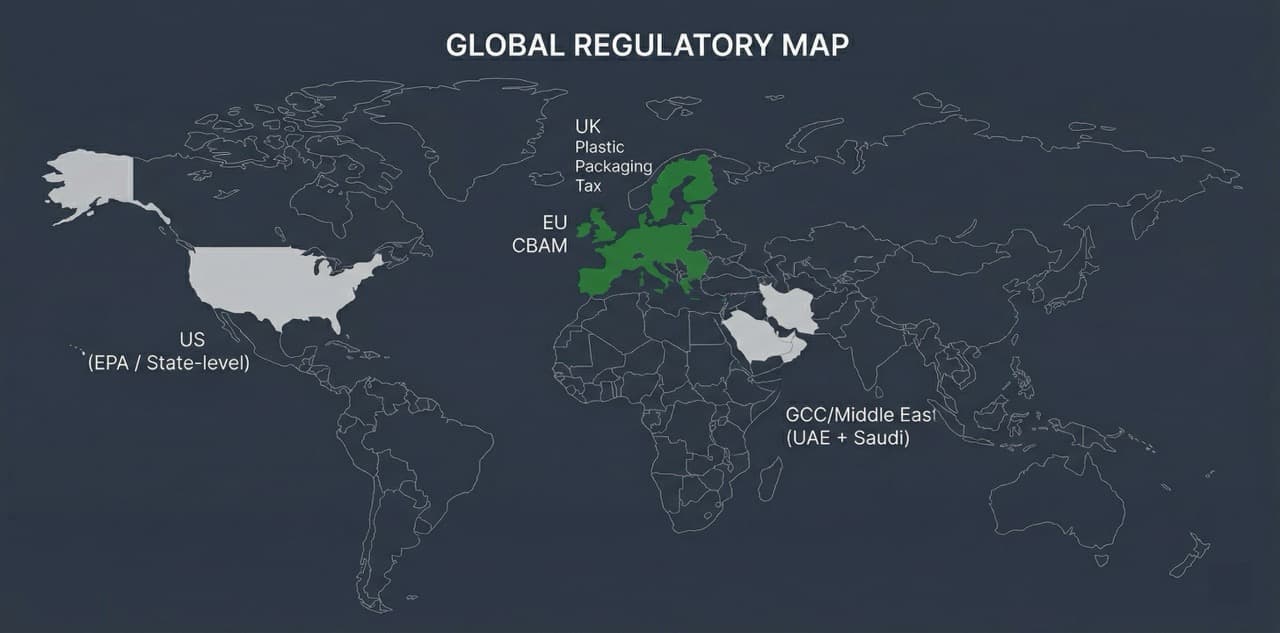
EU: CBAM Is Now Financially Live — And Its Scope Is Widening
The EU Carbon Border Adjustment Mechanism entered its definitive financial phase on 1 January 2026. It is no longer a reporting exercise. Importers of goods in the covered sectors — cement, iron and steel, aluminium, fertilisers, electricity, and hydrogen — must now purchase CBAM certificates corresponding to the embedded carbon in their products.
The financial exposure is material. CBAM certificate prices track EU ETS allowance prices, currently trading in the range of €50–70 (~$54–76 USD) per tonne CO₂e. The effective CBAM factor on imports rises from 2.5% in 2026 to 48.5% by 2030, reaching 100% by 2034 as free ETS allocation phases out entirely. Manufacturers that cannot provide verified actual emission data to their EU importers face default value surcharges of 10% in 2026, rising to 30% by 2028 — a deliberate penalty for poor measurement infrastructure.
The European Commission tabled a proposal in December 2025 to extend CBAM coverage to downstream manufactured products by 2028. This means the carbon footprint of inputs — including waste treatment — will increasingly flow through to the carbon liability of finished goods. A steel component manufacturer that operates a high-emission waste disposal system will, under an extended CBAM, embed that emission liability into its products and pass it to EU customers as a financial cost.
The EU Packaging and Packaging Waste Regulation (PPWR), effective 12 August 2026, sets mandatory recycling targets and obligates all packaging entering the EU market to be recyclable at scale by 2035.
UK: Plastic Packaging Tax Escalates Annually
The UK Plastic Packaging Tax currently charges £223.69 (~$284 USD) per tonne (2025/26) on plastic packaging components containing less than 30% recycled content, rising to £228.82 (~$290 USD) per tonne from April 2026. Stacked with EPR disposal fees and PRN costs, UK manufacturers with mixed plastic streams now face total regulatory exposure exceeding £1,000/tonne — the full cost breakdown is covered in our dedicated guide to UK EPR packaging compliance for mixed plastic waste. Any manufacturer processing or importing ≥10 tonnes of plastic packaging per rolling 12-month period must register with HMRC. From April 2027, pre-consumer recycled plastic will no longer qualify as recycled content — closing a commonly used compliance route and requiring manufacturers to source post-consumer recycled material.
US: Federal Rollback Does Not Mean State-Level Immunity
The Trump administration's 2025 proposals — including eliminating Greenhouse Gas Reporting Program requirements for 46 of 47 source categories — have introduced significant uncertainty into US federal GHG regulation. However, manufacturers should not interpret this as licence to dismantle internal compliance infrastructure.
State-level regulation continues to operate independently. California's Cap-and-Trade Programme, Washington State's Climate Commitment Act, and similar programmes in New York, Massachusetts, and Oregon create binding GHG obligations that do not respond to federal policy shifts. California's SB 1383 mandates 75% diversion of organic waste from landfill. US-based manufacturers exporting to the EU remain subject to CBAM obligations regardless of domestic federal stance. Corporate customers applying Science Based Targets initiative (SBTi) standards maintain their own expectations independently of the regulatory baseline.
The practical recommendation: maintain GHG tracking and waste audit systems regardless of current federal requirements. The cost of data infrastructure is orders of magnitude lower than the cost of reestablishing it under time pressure during the next compliance cycle.
Middle East: Mandatory Reporting Under Financial Penalty
The UAE's Federal Decree-Law No. 11 of 2024 mandates all public and private entities to measure, report, and reduce GHG emissions, with a 30 May 2026 deadline and fines of up to AED 2 million (~$545,000) for non-compliance. Saudi Arabia's MWAN strategic plan targets 82% overall landfill diversion by 2035 and 90% by 2040, with the Riyadh waste project alone targeting 94% diversion and a projected annual reduction of 4.1 million tonnes CO₂e.
How Can Technology Accelerate Waste Carbon Reduction?
Industrial 4.0 tools — IoT sensors, AI-driven waste analytics, and carbon management software — eliminate the measurement gap that prevents most manufacturing facilities from knowing their actual waste carbon footprint. Without measurement, optimisation is impossible.
⚙️ Manufacturing Waste Carbon Readiness Checklist
Assess your facility's waste carbon readiness across four critical domains.
📊 Measurement
- Waste audit completed (last 12 months)
- All streams classified by material type and mass (kg/tonne)
- DEFRA or EPA WARM emission factors applied per stream
- Scope 3 Category 5 baseline calculated and documented
- Waste carbon data integrated into ESG report
⚖️ Regulatory
- EU CBAM monitoring infrastructure in place (if exporting to EU)
- UK Plastic Packaging Tax registration confirmed (if applicable)
- EU PPWR (Aug 2026) packaging recyclability assessed
- UAE/Saudi Arabia GCC emissions reporting timeline mapped
- US state-level regulations mapped (CA, WA, NY, MA) — independent of federal
🔄 Process & Operations
- 5R hierarchy review completed for top 3 waste streams
- Waste segregation system operational at point of generation
- Recycling contracts in place with certified, tracked operators
- Diversion rate % tracked and reported monthly
- Operations team trained on segregation protocols
🚀 Advanced & Technology
- IoT / gravimetric capture on all major waste streams
- Carbon management software integrated with waste data
- On-site treatment technology evaluated for organic / mixed waste
- Zero Waste to Landfill (UL 2799 / TRUE) certification pathway assessed
- Industrial symbiosis partnerships explored with adjacent facilities
Ready to eliminate landfill and incineration from your waste strategy? Phantom Ecotech's subcritical water hydrolysis technology converts organic, plastic, medical, and mixed industrial waste into recoverable outputs — zero dioxins, zero flue gas, verified Scope 3 reduction.
Request a Technical Consultation →Waste IoT infrastructure typically comprises three components: gravimetric capture (automated weigh stations at waste generation points), stream classification sensors (near-infrared or optical sorting identification for material type), and centralised data aggregation feeding a carbon management platform. When integrated with ERP systems, this creates a real-time waste carbon dashboard that allows facility engineers to correlate production scheduling decisions with downstream waste emission outcomes.
AI-driven waste analytics move beyond monitoring into prediction. By training on historical production data, maintenance records, and supplier batch information, predictive models can forecast waste generation spikes two to four weeks ahead, enabling pre-emptive adjustments to production run lengths, material orders, and recycling logistics capacity.
Carbon management software — platforms such as Watershed, Greenly, Sustain.Life, or dedicated industrial solutions — applies the correct emission factors to each waste stream automatically, calculates Scope 3 Category 5 values on a rolling basis, and generates the audit trails required for third-party ESG verification. For manufacturers subject to CBAM, this infrastructure is not optional: the ability to provide verified actual emission data to EU importers is the mechanism for avoiding the default value surcharges described above.
To model the carbon reduction impact for a specific waste stream and volume, request a free site assessment — we provide stream-level emission calculations with every proposal.
What Are the Operational Steps to Build a Low-Carbon Waste Management Plan?
A structured five-step implementation sequence moves a manufacturing facility from unmanaged disposal to verified low-carbon waste management. Each step builds the evidence base for the next.
Step 1 — Waste Audit. Conduct a full 12-month waste audit, classifying every output stream by material type, mass, and current disposal route. Map against DEFRA or EPA emission factors to calculate a baseline Scope 3 Category 5 figure. This baseline is the reference point against which all subsequent reductions are measured and reported.
Step 2 — Set Verified Reduction Targets. Apply the Science Based Targets initiative (SBTi) FLAG or Industry guidelines, or adopt the ISO 14064 framework, to set time-bound, measurable Scope 3 Category 5 reduction targets. Align targets with ZWTL certification requirements (UL 2799 or TRUE) if certification is a business objective. Target setting without baseline data is not credible; steps 1 and 2 must be executed in sequence.
Step 3 — Select the Correct Treatment Route Per Stream. Apply the emission factor hierarchy: recycle before incinerate; treat before landfill. For organic, biological, and mixed waste streams that cannot be mechanically separated for recycling, on-site treatment technology may be the most carbon-efficient route. Subcritical water hydrolysis converts organic waste into sterilised compost and liquid fertiliser without combustion — generating no dioxins, no flue gas, and producing usable outputs that displace the emission cost of virgin fertiliser production.
Step 4 — Train Operations Personnel. Waste segregation quality at the point of generation determines whether the best-designed disposal route actually functions. Contamination of recycling streams — even at 5–10% — can render entire loads non-recyclable and redirect them to landfill or incineration. Regular training, visual management systems at waste stations, and performance tracking at shift level are operational requirements, not optional add-ons.
Step 5 — Monitor, Report, and Certify. Deploy the measurement infrastructure described in Step 3, generate monthly waste carbon dashboards, and integrate Category 5 data into quarterly ESG reporting. Pursue ZWTL certification to provide third-party verification of diversion claims. Use audit-ready data trails to satisfy CBAM verification requirements for EU-facing operations.
What Does Zero Dioxin Emission Mean for Manufacturing Waste Strategy?
For facilities processing chlorinated plastics, treated wood, medical-grade materials, coatings, or multi-material laminates, dioxin generation from incineration is not a theoretical risk — it is a predictable chemical outcome. Subcritical water hydrolysis eliminates it at the process level.
This section is particularly relevant for manufacturers in sectors with high hazardous material exposure: electronics (PVC cabling, flame-retardant PCBs), automotive (PVC trim, treated rubber, coating waste), packaging and printing (inks, coatings, laminates), and chemical processing. For healthcare and medical device manufacturing specifically, the infectious medical waste treatment guide covers non-incineration sterilisation in full technical detail.
Traditional incineration of chlorinated organic waste at 800–1,200°C generates PCDDs and PCDFs in flue gas. Even modern EfW facilities must operate extensive pollution control trains — activated carbon injection, selective catalytic reduction, fabric filtration — to meet the EU Industrial Emissions Directive limit of 0.1 ng-TEQ/m³. This pollution control infrastructure adds capital cost, increases maintenance complexity, and does not eliminate emissions — it manages them to a regulated threshold.
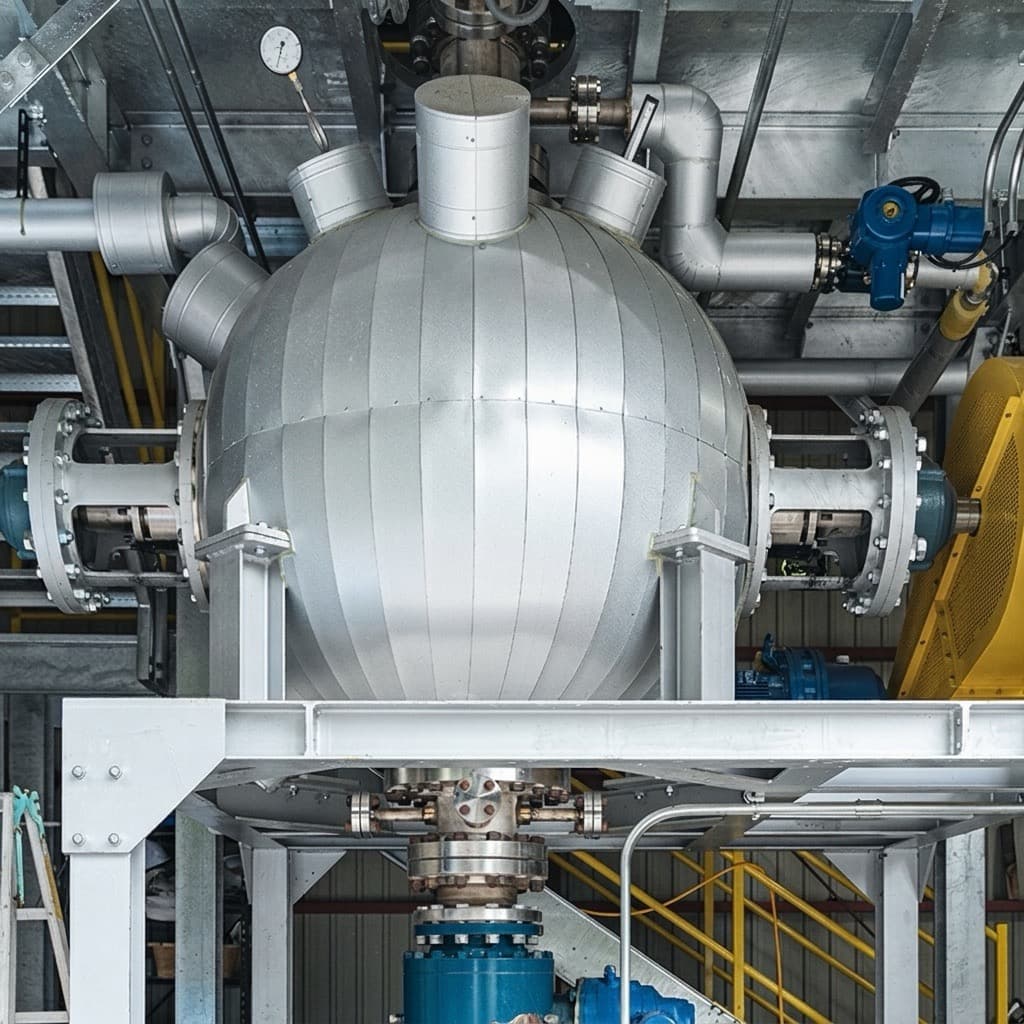
Unlike combustion-based methods, subcritical water hydrolysis technology operates through a fundamentally different mechanism that avoids oxidation entirely. Water held between 150–374°C under sufficient pressure to remain liquid dissociates into H⁺ and OH⁻ ions, which attack the molecular bonds of organic polymers, proteins, and fats. The reaction proceeds in a sealed, oxygen-free environment — there is no combustion, no flue gas, no dioxin formation pathway. Published research demonstrates 99.4% removal of PCDDs at 350°C in subcritical water media. The closed-system design means emissions from the PHANTOM unit itself are zero; the only CO₂ pathway is through the kerosene-fired boiler that generates steam.
For a manufacturing facility utilising the high-capacity PHANTOM waste treatment machine — which processes 3 tonnes of mixed organic and plastic waste per cycle — the unit converts what would otherwise generate approximately 1,560 kg CO₂e per cycle at landfill into approximately 1.8 tonnes of recoverable organic residue, liquid fertiliser concentrate, and reduced-mass fuel material. This represents a fundamental reclassification of the waste stream from liability to recoverable resource, delivering economic and environmental benefits beyond simple compliance.
This aligns directly with what the EU's circular economy frameworks — and increasingly, Asia-Pacific industrial standards — classify as "highest-value use": keeping organic material in the nutrient cycle rather than oxidising it into atmospheric CO₂ and dioxin-laden ash.
Conclusion: From Waste Liability to Carbon Credential
Manufacturing waste disposal is transitioning from an operational cost centre to a regulated carbon liability — and simultaneously, to a potential source of verifiable ESG credentials for companies that move ahead of the compliance curve.
The direction is unambiguous across every major market. CBAM is live and expanding. UK and EU packaging rules tighten from mid-2026. The UAE now mandates emissions reporting under financial penalty. Even where federal US regulation has loosened, state-level programmes and corporate supply chain requirements fill the regulatory space. The carbon mathematics of landfill and incineration — 520 and ~490 kg CO₂e per tonne respectively — are not improving. The alternatives — recycling, on-site treatment, and hydrolysis-based processing — are documented, scalable, and increasingly cost-competitive when total cost of ownership includes avoided regulatory penalties and CBAM exposure.
The five-step implementation framework above provides the engineering and operational sequence. The emission factors and regulatory deadlines above provide the business case. For the full financial model — covering all seven ROI variables including carbon cost avoidance, output revenue, and ESG penalty risk — see our complete ROI calculation guide for industrial waste processing machines. For the full strategic compliance framework covering landfill tax, EPR fees, CBAM preparation, and Scope 3 Category 5 documentation across UK manufacturing sites, see: manufacturing waste reduction strategy UK. What remains is the decision to treat waste carbon as a managed system rather than an uncontrolled variable.
Tanaka's Optimisation Note: If your facility generates organic, plastic, medical, or mixed waste streams and is currently routing them to landfill or third-party incineration, your carbon baseline almost certainly contains significant, low-cost reduction opportunities. The first action is measurement. The second is consulting with Phantom for precise route selection. The third is technology deployment. Each step is tractable. None requires waiting for the next regulatory cycle.
Frequently Asked Questions
Waste disposal affects carbon footprint through three mechanisms: transport of waste to disposal sites (fuel emissions), anaerobic decomposition in landfills generating methane (GWP₁₀₀ = 27.0), and direct combustion emissions from incineration (~477–500 kg CO₂e per tonne). Additionally, failure to recycle means virgin material production — with its high energy and emission cost — continues unchallenged. All four pathways appear in Scope 3 Category 5 under the GHG Protocol.
Zero Waste to Landfill (ZWTL) is a certified operational target — UL 2799 and TRUE are the two primary standards — requiring at least 90% of facility waste to be diverted from landfill through recycling, composting, or treatment. It reduces carbon by eliminating landfill methane generation and channelling materials into recycling pathways with net-negative carbon emission factors. Documented manufacturer case studies report 16–18% cost savings on waste management alongside the emission reduction. For UK certification bodies, the full certification roadmap, and how ZWFL satisfies CSRD Scope 3 Category 5 reporting, see the Zero Waste to Landfill certification UK guide.
EU CBAM requires embedded carbon accounting for steel, aluminium, cement, fertilisers, and hydrogen imports from 1 January 2026, with certificate surrender obligations from September 2027. EU PPWR mandates recyclability of all packaging from August 2026. The UK Plastic Packaging Tax charges £223.69 (~$284 USD) per tonne on packaging with <30% recycled content, rising annually. Manufacturers in covered sectors must establish measurement infrastructure capable of providing verified actual emission data to importers.
Conduct a waste audit: classify all output streams by material type and mass over 12 months. Apply DEFRA conversion factors (for UK/EU reporting) or EPA WARM model emission factors (for US reporting) to each stream and disposal route. Sum to derive Scope 3 Category 5 tonnes CO₂e. Most ESG software platforms automate this calculation once waste audit data is inputted. For CBAM purposes, the calculation methodology must be verifiable by a third-party auditor.
Subcritical water hydrolysis uses pressurised hot water — not combustion — to break down organic molecules. The reaction occurs in a sealed vessel with no oxygen, producing no flue gas, no dioxins, and no NOx. The only CO₂ output is from the steam-generating boiler. The process outputs sterilised organic residue suitable for composting or agricultural use, liquid concentrate suitable as fertiliser at 1:500 dilution, and reduced-mass fuel material from certain plastics and wood. Incineration, by contrast, destroys organic matter irreversibly and generates flue gas requiring complex treatment to meet regulatory limits.
Industrial symbiosis — routing one facility's waste as another's raw material input — is operationally realistic where geographic clustering allows. Food processing organic waste as biogas feedstock, heat recovery from metalworking for adjacent process heating, and wood residue from construction as biomass fuel are all established UK and EU examples operating at commercial scale. The key enabler is waste exchange platforms (Reconomy, Biffa Exchange, and regional industrial park symbiosis programmes) that match supply and demand without requiring direct bilateral negotiation.
Key Sources & Citations: DEFRA/DESNZ 2024 Greenhouse Gas Conversion Factors · IPCC AR6 (GWP₁₀₀/GWP₂₀ Methane) · EPA WARM Model v16 · CDP Technical Note on Scope 3 Materiality · EU CBAM Regulation 2023/956 · EU PPWR 2024/1635 · UK HM Treasury Plastic Packaging Tax 2022 (updated 2025/26) · UAE Federal Decree-Law No. 11 of 2024 · Saudi Arabia MWAN Strategic Plan · California SB 1383 · SBTi Industry Guidance · ISO 14064 · UL 2799 / TRUE ZWTL Standards · ACS Analytical Chemistry 2016 (subcritical water) · Journal of Hazardous Materials 2019 (dioxin removal) · FEVE European Container Glass Federation · Carbon Mapper Landfill Methane Study 2024 · BloombergNEF EU ETS Forecast 2030
⚠️ Disclaimer: The information in this article is for general informational purposes only and does not constitute legal, regulatory, or financial advice. Carbon footprint estimates, compliance projections, and cost comparisons are illustrative and based on publicly available data. Actual results will vary based on facility type, regional regulations, and operational practices. Always conduct independent assessment and seek qualified professional advice before making compliance or investment decisions.